India uses public sculptures as cultural diplomacy, with artist Naresh Kumawat leading global soft power through monumental art.
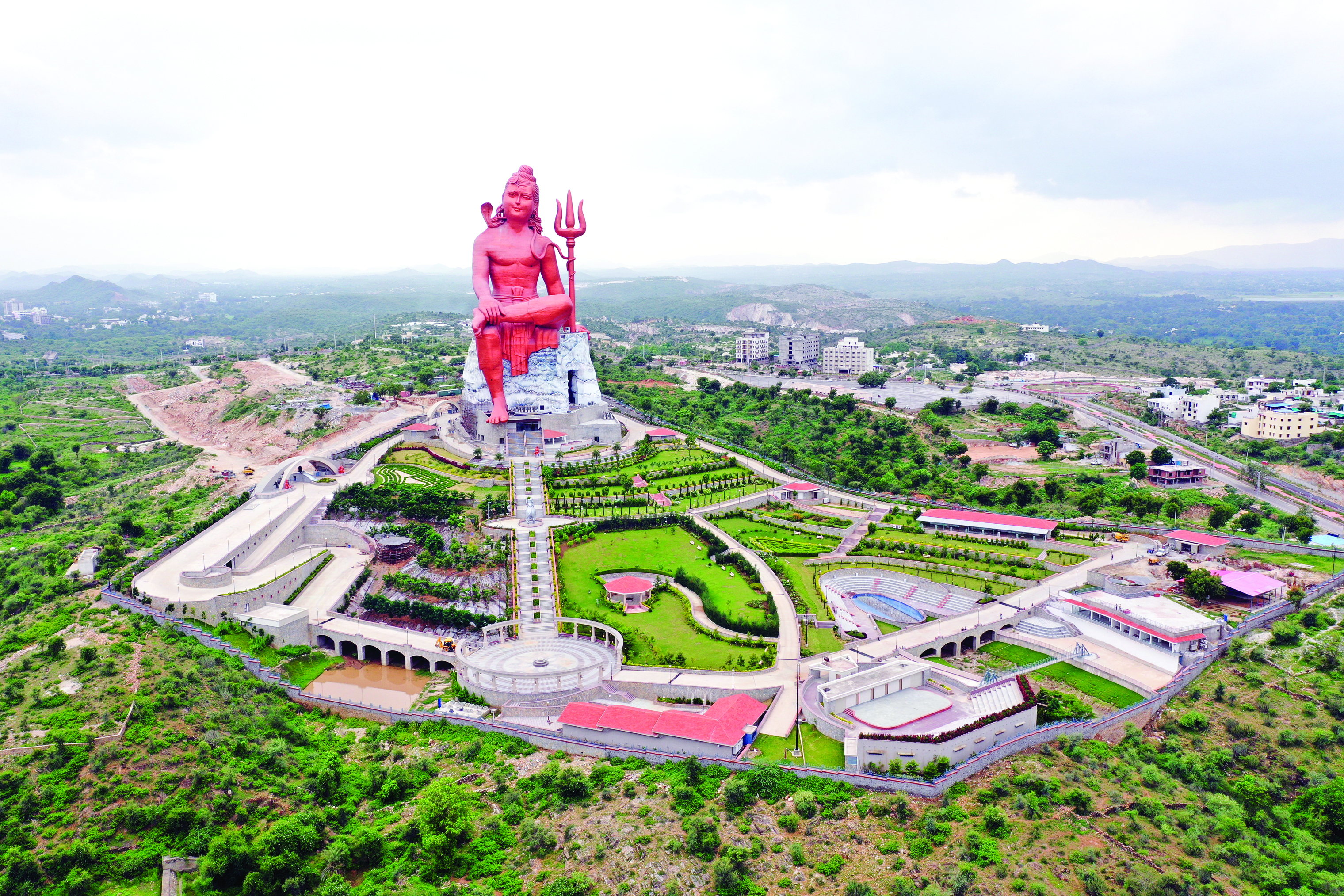
NEW DELHI: As India expands its cultural footprint across the world, a new tool of soft power is quietly gaining prominence—sculpture. From towering statues of Hindu deities in the Caribbean to bronze Mahatma Gandhi memorials in Geneva and New York, Indian sculptors are helping the country shape its global identity through public art. Leading this charge is Naresh Kumar Kumawat, a third-generation artist whose monumental works are now landmarks in over 40 countries.
Kumawat, who represents the third generation in a distinguished lineage of sculptors from Rajasthan, is the Director of Matu Ram Art Centres Pvt. Ltd., based in Gurugram, Haryana. His studio has become synonymous with India’s modern public art renaissance, having created over 600 large-scale installations across more than 40 countries. His materials span from bronze to fibre, and his themes range from mythological epics to icons of social justice—blending traditional symbolism with contemporary technique. “When a national leader of another country unveils my sculpture, I don’t see it just as an artistic moment—it’s a moment of connection between India and that nation,” says Kumawat, whose latest project—a 51-foot statue of Lord Ram—will be inaugurated in Mississauga, Canada, on 3 August.
The installation, set inside the Hindu Heritage Centre, will be the tallest statue of Lord Ram in North America. Among his most celebrat is the 369-foot Statue of Belief in Nathdwara— the tallest representation of Lord Shiva in the world— and the 206-foot Statue of Social Justice in Andhra Pradesh. He also left his imprint on India’s new Parliament building, where his Samudra Manthan mural and medallions of B.R. Ambedkar and Sardar Vallabhbhai Patel adorn the central foyer. Internationally, his sculptures of Mahatma Gandhi and Swami Vivekananda stand tall in New York, Geneva, Guyana, Mexico, Costa Rica, Australia, and Mauritius—powerful visual ambassadors of India’s spiritual and civilizational ethos. The symbolism is unmistakable.
Through these artistic exports, India is reinforcing its cultural depth and shared values with diaspora communities and host nations alike. It is a form of diplomacy that bypasses bureaucracy and speaks directly to people. Soft power—a term coined by political scientist Joseph Nye—refers to a country’s ability to influence others through culture, values, and ideas rather than coercion. India has long relied on music, yoga, literature, and cinema to build its soft power. But sculptures, often overlooked, are now becoming powerful vehicles of that influence. Institutions like the Indian Council for Cultural Relations (ICCR) have played a key role in supporting such artistic exchanges.
Statues commissioned and unveiled under ICCR initiatives serve not just as diplomatic tokens but also as lasting symbols of shared values—freedom, justice, dharma, and peace. In many countries with large Indian-origin populations, these sculptures serve a dual purpose: they are both cultural landmarks and tools of community consolidation. In Mauritius, Guyana, and South Africa, for instance, massive idols of Hindu deities act as cultural beacons, preserving spiritual identity among second- and third-generation diaspora youth. “In those countries, our statues are not simply artistic. They’re genealogical markers—reminding young people where they come from,” Kumawat told The Sunday Guardian.
“They create a sense of belonging, rootedness,” he added. Unlike fleeting diplomatic visits or temporary media campaigns, sculptures endure. Installed in public squares, gardens, or cultural centres, they become permanent fixtures in the public imagination—constant reminders of India’s global presence, its values, and its civilizational ethos. As international diplomacy increasingly recognizes the power of cultural storytelling, India’s ancient tradition of murti-making has emerged as a quiet, elegant tool of diplomacy, a powerful testimony to a nation’s enduring influence.
