US stocks, bonds and the dollar slide sharply as Donald Trump's Greenland tariff threats rattle global markets, reviving the 'Sell America' trend.
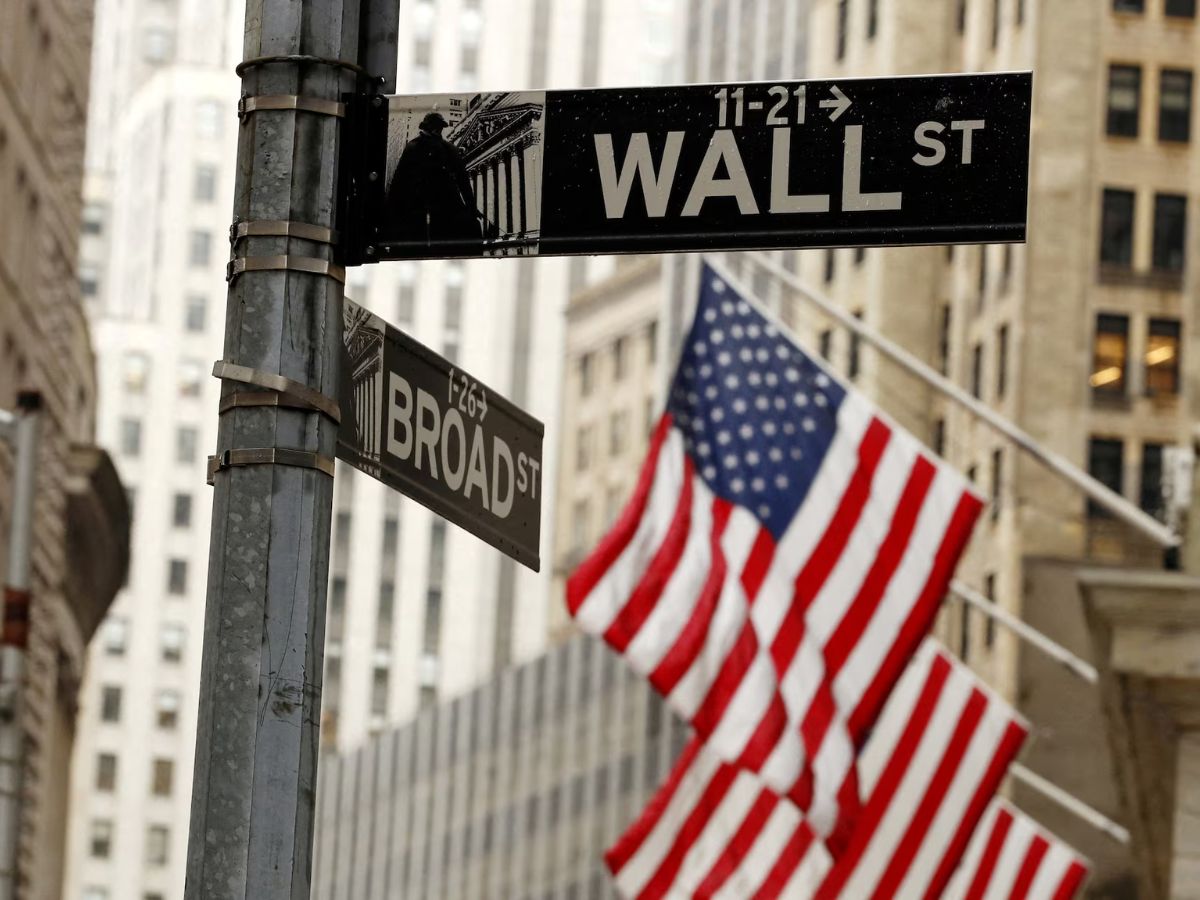
US stocks, bonds and the dollar slide sharply after Donald Trump's Greenland tariff threats [Photo: X]
US financial markets experienced a steep and sudden downturn after President Donald Trump escalated his push to gain control of Greenland, sending shockwaves through global markets. Major US stock indexes suffered their worst losses in months, the US dollar weakened, and Treasury yields climbed, an unusual combination that points to growing investor unease.
The sell-off followed Trump's announcement of tariff threats linked to Greenland, triggering fears that geopolitical conflict could spill over into economic and trade fronts. This has revived the so-called 'Sell America' trade, where investors ditch US assets amid heightened political risk.
The sharp market reaction has revived fears of a broader “Sell America” trade, a scenario where investors pull money out of US stocks, bonds, and the dollar at the same time. This rare combination signals falling confidence in US assets as a global haven.
Analysts say the trend reflects rising concern over political risk rather than economic fundamentals. Trump’s Greenland-linked tariff threats added an unpredictable geopolitical layer that markets struggle to price. As a result, investors moved quickly to reduce exposure to US-based assets.
The “Sell America” trend refers to a situation where investors simultaneously sell US stocks, the US dollar, and US government bonds. This pattern is unusual because these assets typically move in opposite directions during market stress. When all three fall together, it signals deep concern about US political stability or economic direction.
Analysts say the trend often reflects global investors reassessing America’s role as a safe investment destination. In this case, fears around tariffs, trade conflict, and geopolitical pressure have triggered that reassessment.
On Tuesday, the Dow Jones Industrial Average plunged sharply, while the S&P 500 and Nasdaq Composite also recorded significant losses. The S&P 500 dropped more than 2%, and the tech-heavy Nasdaq fell nearly 2.4%, representing the steepest daily market decline since October.
The sell-off eroded gains made earlier in the year and reflected broad declines across sectors as uncertainty gripped investors. Gold and other safe-haven assets surged as traders sought shelter from heightened volatility.
Tensions intensified after Trump threatened to impose tariffs of up to 25% on imports from several European countries unless they backed his bid to negotiate control over Greenland, an autonomous territory of Denmark.
Trump set a timeline for tariff increases starting with a 10% levy on February 1 and rising by June if no agreement was reached. This marked a stark escalation from previous trade disputes by directly linking economic penalties to territorial negotiations.
European leaders, including Denmark’s prime minister, promptly rejected the notion of selling Greenland, insisting the island’s sovereignty was not negotiable. The strong pushback added to fears that a prolonged standoff could hinder diplomatic and economic ties between Washington and its closest allies.
Investors reacted by moving away from riskier US assets and selling a broad range of holdings, including stocks, the dollar and long-term government bonds. This unusual simultaneous sell-off indicated that confidence in the traditional safe-haven status of US markets was under pressure, at least temporarily.
The pick-up in Treasury yields alongside falling bond prices suggests rising uncertainty around economic conditions and policy risk.
Analysts say the combination of geopolitical risk and tariff threats has amplified fears that economic growth could slow if trade tensions escalate further. Bond investors priced in higher yields, reflecting expectations of increased volatility and potential inflationary pressure caused by tariffs on imported goods.
The sell-off was not limited to the US. European markets fell as well, with key indices like the FTSE 100, DAX and CAC 40 all trading lower following Trump’s tariff warnings.
Traders became even more cautious as currency markets showed volatility, with the dollar sliding against other major currencies. Gold saw record highs as investors flocked to traditional safe havens amid growing unease.
Economists and global institutions have also sounded alarms about the broader implications of such tariff threats. The International Monetary Fund (IMF) warned that a trade war triggered by Greenland-linked tariffs could slow global growth and dampen investor confidence.
With markets already jittery, investors are closely watching whether Trump implements his tariff threats and how European nations respond. Any sign of de-escalation could help stabilise sentiment, while further escalation risks broadening the sell-off and deepening concerns about economic growth.
Upcoming economic data, earnings reports and central bank guidance will also play a role in determining market direction in the coming days.
