BNP demands Sheikh Hasina’s extradition from India after Bangladesh election victory, raising diplomatic tensions, legal debate and regional political concerns.
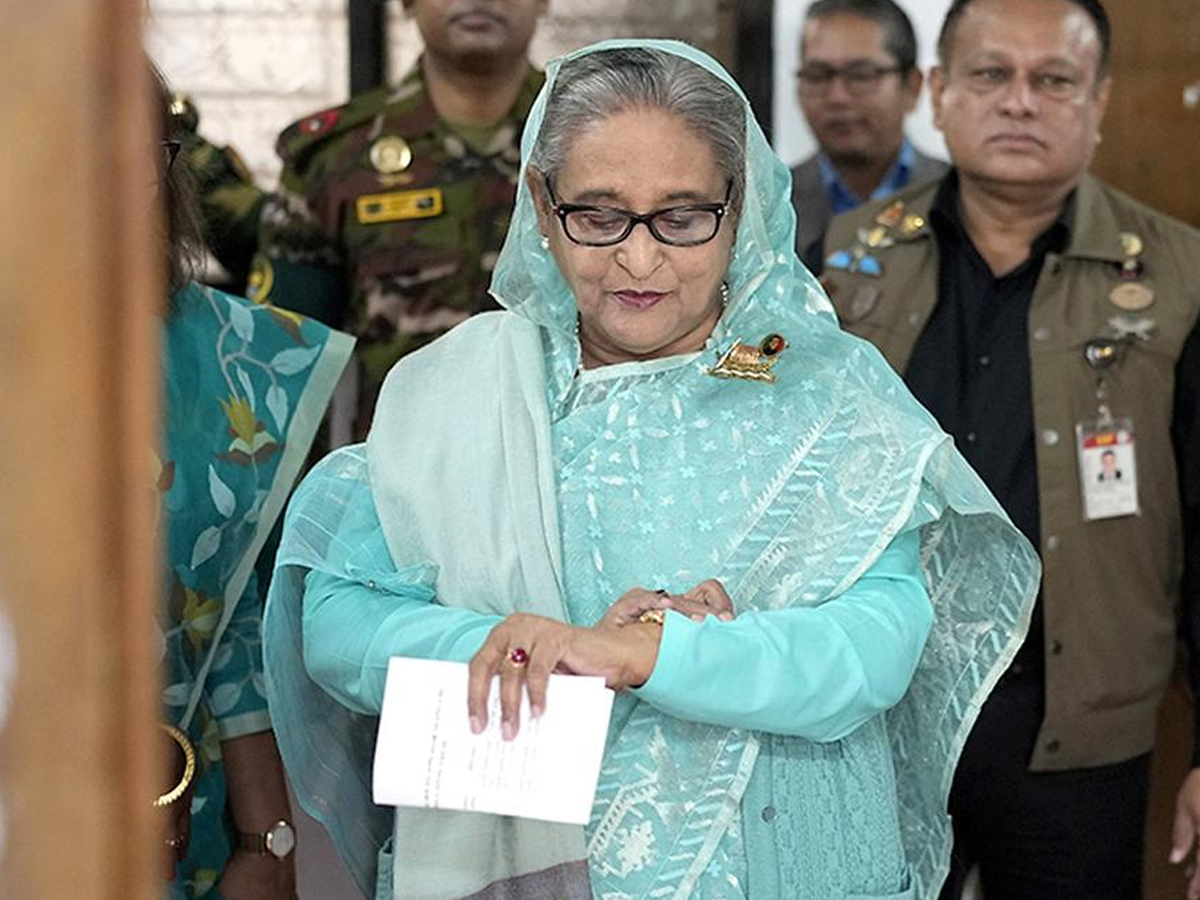
BNP leaders say they will formally pursue legal channels to bring Hasina back, while officials in India continue to review requests under judicial procedures. (File Photo)
Bangladesh’s political landscape shifted sharply after the Bangladesh Nationalist Party (BNP) secured a sweeping win in the latest general elections. Soon after celebrating its victory, the party renewed pressure on India to extradite former prime minister Sheikh Hasina so she can face trial in Dhaka.
The demand has sparked debate across South Asia and raised fresh diplomatic questions about how New Delhi will respond.
BNP leaders say they will formally pursue legal channels to bring Hasina back, while officials in India continue to review requests under judicial procedures. The development has placed the spotlight on the future of regional ties and Bangladesh’s internal political stability.
Shortly after the election results, BNP Standing Committee member Salahuddin Ahmed confirmed the party’s stance.
“The foreign minister has already pursued the matter of her extradition, and we support it,” senior BNP leader Salahuddin Ahmed said, PTI reported.
“We have consistently pressed for her extradition in accordance with the law. This is an issue between the foreign ministries of the two countries. We have also urged the government of India to send her back to face trial in Bangladesh,” he added.
BNP leaders say they want legal accountability following the political turmoil that led to Hasina’s removal from office. The party argues that her return would help strengthen judicial processes and restore public confidence in the political system.
After her ouster during the mass uprising in 2024, Hasina moved to New Delhi and has largely remained out of the public eye. Reports suggest she occasionally issued political statements from India, which triggered strong reactions in Dhaka.
In November 2025, a special tribunal sentenced her to death in absentia over alleged crimes against humanity linked to the violent crackdown during the unrest. The BNP government says it wants her present in Bangladesh to face legal proceedings.
India has not yet taken a final decision on the issue. Officials say they are examining the request under existing legal frameworks.
“We have received the request, and it is being examined as part of ongoing judicial and internal legal processes,” MEA spokesperson Randhir Jaiswal said in November.
“We remain committed to the best interest of the people of Bangladesh, and to peace, democracy, inclusion, and stability in that country. We will continue to engage constructively in this regard with all stakeholders,” Jaiswal said in the presser.
The outcome could affect diplomatic relations between the two neighbours, especially as both sides emphasize cooperation.
Ahmed emphasized that Bangladesh still wants balanced ties with all neighbours. “We want a friendly relationship built on mutual respect and equal footing with all countries, including India,” he said.
Political observers believe the extradition debate could shape future cooperation on trade, security, and migration. While the BNP pushes for legal action, analysts say India will weigh legal obligations, diplomatic considerations, and regional stability before making any decision.
As Bangladesh enters a new political era under BNP leadership, the fate of Sheikh Hasina remains one of the most closely watched issues in South Asian politics.
