The story of Dr Li Wenliang, the Wuhan doctor who warned about COVID-19, his silencing, death, and how it sparked rare public debate on free speech in China.
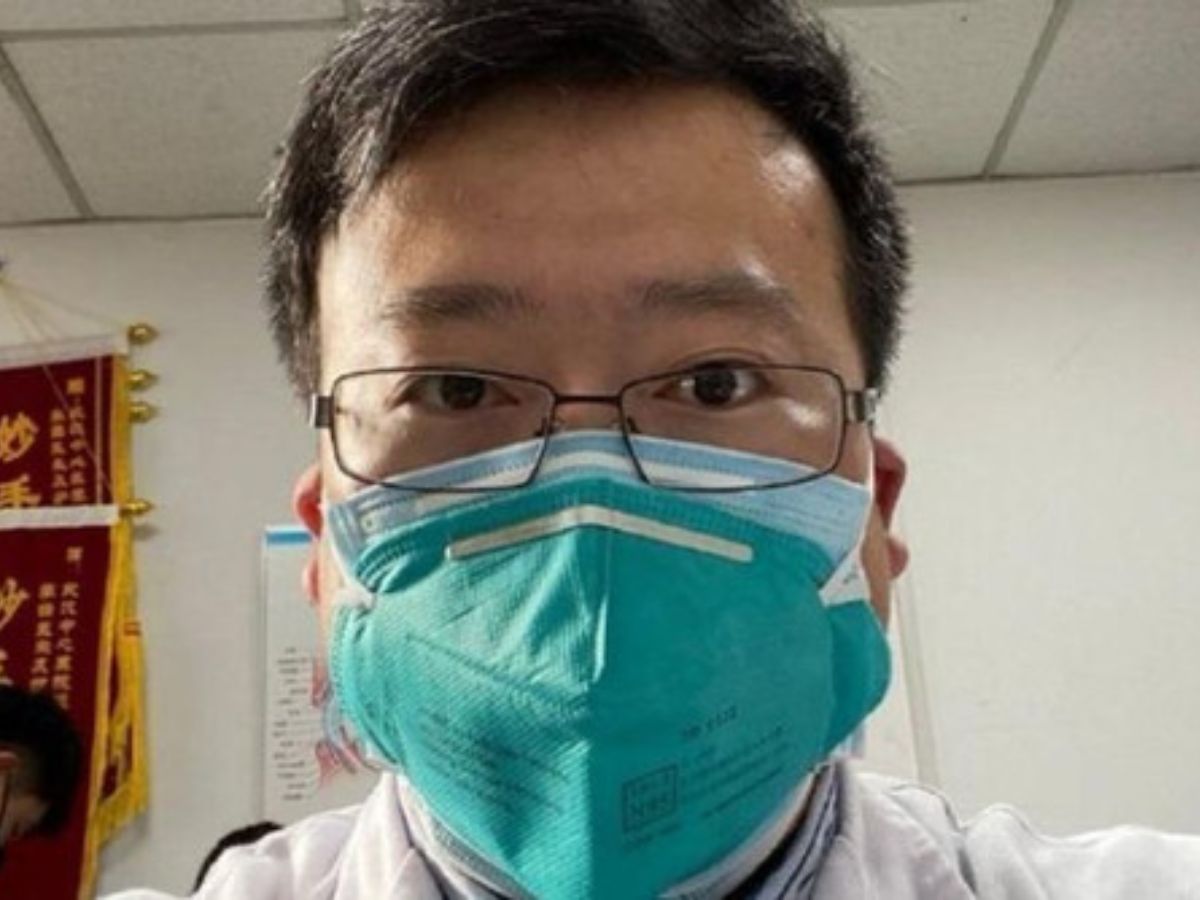
The story of Dr Li Wenliang, the Wuhan doctor who warned about COVID-19 [Photo: X]
In December 2019, Dr. Li Wenliang, an eye doctor from Wuhan, noticed something unsettling. A new virus was spreading. And it evidently looked bad. He shared a warning with some friends online, only to be helpful and protect people. Instead of being thanked, he was silenced by the police, who accused him of “spreading rumours.”
It wasn’t long before his warning turned out to be crucial, but by then, it was too late. The government had already shut him down. Dr. Wenliang didn’t know that trying to share the truth about a health crisis would end up costing him so much. It wasn’t just about the virus anymore. It was about how far the Chinese government would go to stop anyone from speaking out.
Fast forward to February 2020. Dr. Wenliang passed away due to the same virus that he tried so hard to warn others about. His death hit the country hard. People were devastated because they realized that the system that should have protected him had instead silenced him.
And that’s when things started to shift. Dr. Wenliang’s death sparked outrage. It was unlike anything seen before. People all across China, who typically keep quiet about issues like this to not get in the crosshairs of the state, began speaking up. They took to social media with messages calling for free speech, using hashtags like #IWantFreeSpeech. It wasn’t just about Dr. Wenliang anymore. The issue this time was whether people could be silenced for simply telling the truth.
The government tried to censor everything, blocking posts and deleting comments. However, the anger couldn’t be stopped. People wanted to know why someone trying to help was punished and they wanted to make sure nothing like this would ever happen again.
After Dr. Wenliang’s death, a lot of people began to see things differently. It wasn’t just about one man’s tragedy. It was about how speech in China was controlled, along with how people were too afraid to speak up. The people soon realised that it was important to have the freedom to talk openly and share information without fear.
This wasn’t just a moment of grief. It became a call for change. Citizens started asking for laws that would protect free speech and hold the government accountable. They realised the importance of speaking up and that it wasn’t just important for them—it was important for everyone. Especially when it came to protecting public health or exposing the truth.
More people than ever were starting to push for reform, demanding that their right to speak freely be written into the law. Dr. Wenliang had become more than a martyr—he’d become a symbol of how much people longed for a voice of their own.
Of course, nothing is easy when it comes to changing a country’s deeply ingrained system of control. The Chinese government still has a tight grip on free speech and anyone who challenges that could face serious consequences. But the death of Dr. Wenliang opened people’s eyes to the dangers of living in silence.
It’s going to be a long road ahead for those fighting for free speech in China. They, however, are not backing down. Dr. Wenliang’s story has given them the courage to keep pushing for the changes. The battle for free speech in China is far from over but his legacy lives on--inspiring more people to stand up for what’s right.
In the end, it’s about hope—hope that, one day, the people of China will have the right to speak their minds. Just like everyone else. Dr. Wenliang may not have lived to see that change. His story, however, is a powerful reminder that even in the face of the harshest silence, a single voice can spark a movement.
