If the Strait of Hormuz closes, how long can India’s oil reserves last? Here’s what 100 million barrels mean for fuel supply, prices and the economy.
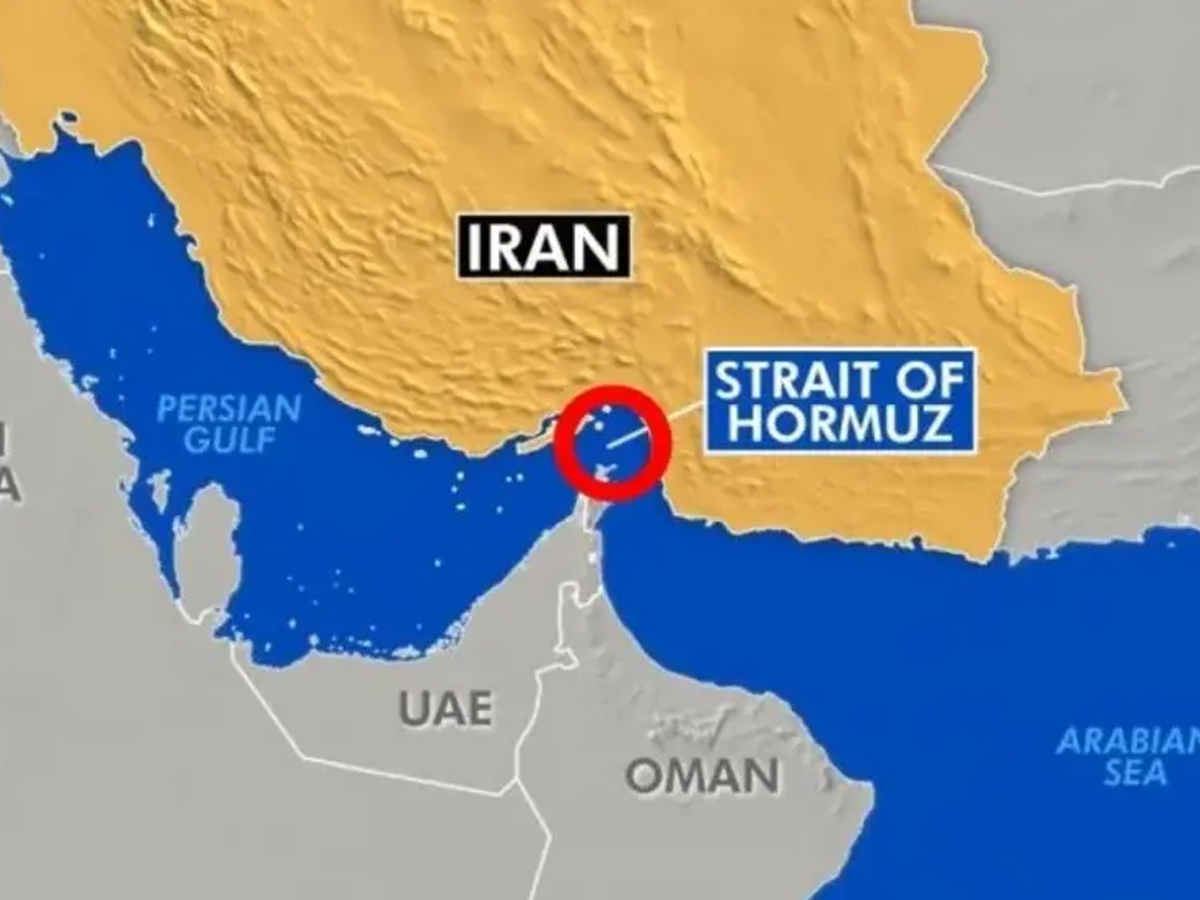
With geopolitical tensions escalating between the United States, Israel, and Iran, markets are closely watching whether traffic through the Strait of Hormuz will continue smoothly. (Photo: Social Media)
As tensions rise in West Asia and fears grow over a possible disruption in the Strait of Hormuz, India’s energy security has come under sharp focus. The narrow sea passage is one of the most important oil transit routes in the world, and any shutdown could directly affect countries that depend heavily on Middle Eastern crude — including India.
India currently holds around 100 million barrels of commercial crude oil. These reserves are spread across storage tanks, underground strategic petroleum reserves, and cargo already on ships heading toward Indian ports. This stockpile acts as a buffer if global supply chains face sudden shocks.
With geopolitical tensions escalating between the United States, Israel, and Iran, markets are closely watching whether traffic through the Strait of Hormuz will continue smoothly. While Iran has claimed it has closed the strait, reports indicate there is still uncertainty about the extent of any disruption.
Energy analytics firm Kpler estimates that India’s existing crude stockpile can meet national demand for about 40-45 days, according to a PTI report.
India imports nearly 88% of its crude oil needs. More than half of these imports come from Middle Eastern countries, and most shipments pass through the Strait of Hormuz. If the route faces a complete shutdown, India could initially rely on its reserves.
However, experts say the first impact would likely be logistical and price-related rather than an immediate physical shortage. Oil prices could rise sharply, increasing fuel costs and putting pressure on the economy.
The Strait of Hormuz is a narrow 33-kilometre-wide waterway connecting the Persian Gulf to the Arabian Sea. Nearly one-fifth of the world’s oil trade moves through this route.
India, the world’s third-largest oil importer, receives roughly half of its crude supply through this strategic corridor. Qatar, which supplies liquefied natural gas (LNG) to India, also uses the same route.
If shipping slows down or reroutes around longer paths, freight costs would increase significantly. This would raise India’s crude import bill and potentially push domestic fuel prices higher.
To manage a prolonged disruption, India can diversify its import sources. Analysts suggest that suppliers from West Africa, Latin America, and the United States can help fill the gap if Middle Eastern supplies fall.
India can also increase crude purchases from Russia. However, New Delhi had earlier agreed to gradually reduce Russian oil imports under a broader trade understanding with the United States. That agreement now faces uncertainty following a US Supreme Court decision affecting trade policies introduced by President Donald Trump.
In a worst-case scenario, India may have to buy oil at higher global prices or secure alternative routes that take longer and cost more.
If the Strait of Hormuz faces sustained disruption, global oil prices would likely surge. Higher crude costs would impact India’s trade deficit and could increase petrol, diesel, and LPG prices domestically.
The government may use strategic petroleum reserves to stabilize supply temporarily. However, long-term disruptions would require strong diplomatic efforts and diversified sourcing strategies.
India has invested in underground strategic petroleum reserves to prepare for emergencies. The country has also expanded energy partnerships beyond the Middle East over the past decade.
While the current reserves offer a short-term cushion of 40-45 days, experts warn that prolonged instability in West Asia would test India’s supply resilience and fiscal balance.
For now, India’s oil stock provides breathing space — but global developments in the Strait of Hormuz remain critical for the country’s energy future.
