Pakistani-American businessman Adnan Asad blends diplomacy, business, and shadowy influence networks.
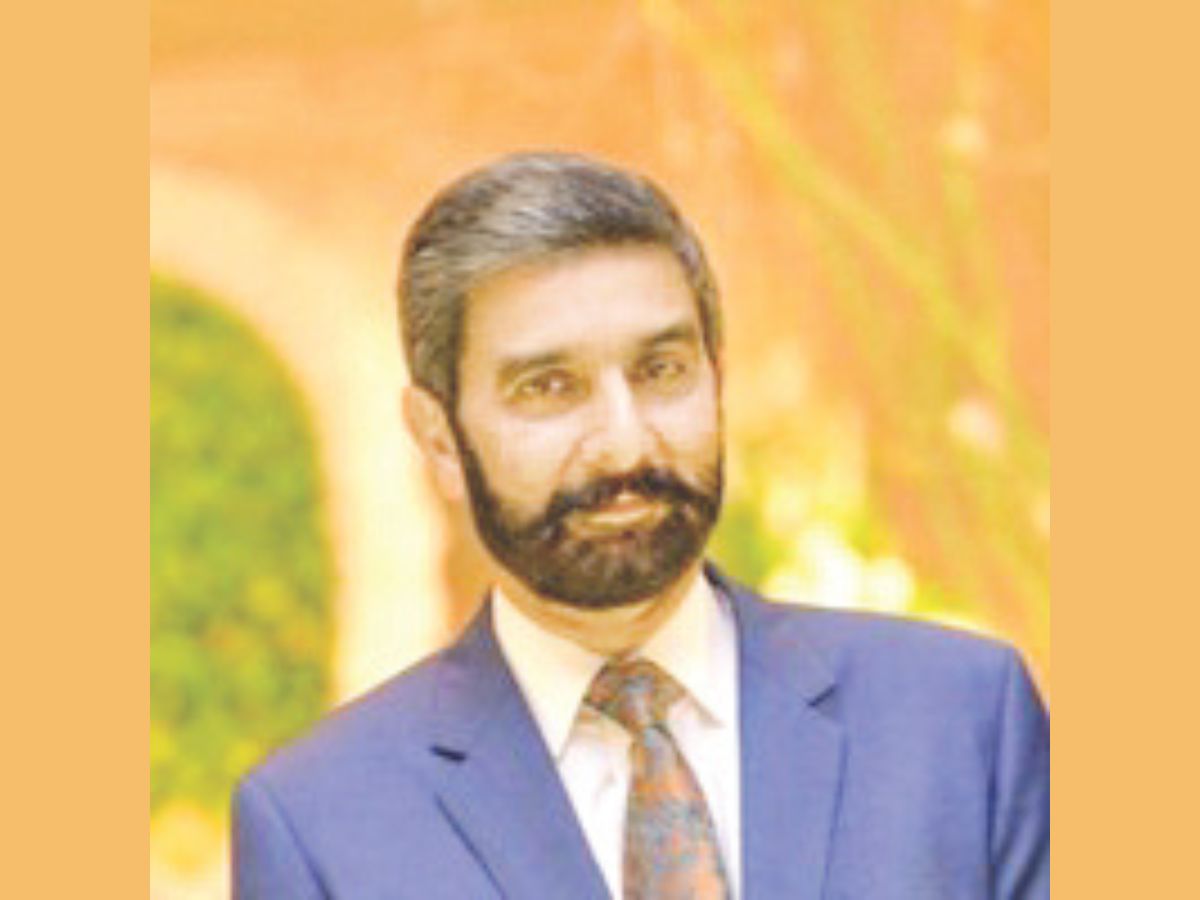
Pakistan’s Honorary Consul General Adnan Asad
New Delhi: On the evening of Saturday, 9 August, the Grand Hyatt Tampa in the U.S. hosted a black-tie dinner under tight security. Entry was permitted only after meticulous physical screening, during which the cell phones of about 120 prominent Pakistani elites were confiscated.
The event, hosted by Adnan Asad, Pakistan’s Honorary Consul General, was organized to honour Field Marshal Syed Asim Munir, Chief of Army Staff of the Pakistan Army, who delivered a chilling nuclear warning against India in the nearly two-hour event from 7:30 PM to 9:30 PM.
While global attention centred on Munir’s words, the true orchestrator—Asad—has so far remained largely outside the spotlight in this episode. It is understood that Munir’s nuclear threat was not an impromptu remark but had been communicated in advance to the organisers, including some of Asad’s contacts within the U.S. civil and defence establishments.
A Pakistani-American billionaire, Asad has long been a crucial intermediary for U.S. corporates and State Department officials navigating Pakistan’s opaque and often volatile markets. His influence spans from Karachi’s corridors of power to Washington’s diplomatic circles, intertwined with intelligence operatives, military leaders, and whispers of underworld affiliations.
As CEO of the Venus Group, Asad rose from modest beginnings as a tissue paper trader to a global magnate during the presidency of his cousin, Pervez Musharraf. Operating in six countries, his conglomerate holds exclusive franchises for U.S. brands such as McDonald’s, Cold Stone Creamery, and Texas Chicken in Pakistan. These ventures require constant coordination with American corporate executives to ensure brand compliance while navigating Pakistan’s labyrinthine regulatory environment. As president of the American Business Council of Pakistan, Asad claimed that U.S.-affiliated firms created 130,000 direct jobs—cementing his role as a vital ally for U.S. investors. His knowledge and connections likely made him indispensable to U.S. Commerce Department officials and trade attachés, who relied on him to smooth market entry, bypass bureaucratic hurdles, and defuse corruption demands.
Asad’s diplomatic clout has also been formidable. Serving as Pakistan’s Honorary Consul General in Tampa since 2022, he is seen as a trusted channel for the U.S. State Department. In March 2022, he met then U.S. Consul General in Pakistan, Mark Stroh, in Sindh, alongside industry leaders and academics, to discuss entrepreneurship and educational collaborations—underscoring his role in shaping economic diplomacy.
Yet it is Asad’s darker associations that give his story its intrigue. In 2019, he hosted the ‘Mika Singh Night’ at his Karachi residence, openly defying Pakistan’s ban on Indian artists through visas allegedly secured via connections to then-Prime Minister Imran Khan. The gathering, attended by top bureaucrats, army officers, former ISI chief Ahmed Shuja Pasha, and relatives of fugitive Dawood Ibrahim, took place near the homes of Dawood’s close aides Anees Ibrahim and Chhota Shakeel, as a Sunday Guardian investigation revealed. The guest list, timing, and openness of the event made clear Asad’s reach into Pakistan’s intelligence apparatus and underworld networks—consolidating his position as a broker in a shadowy nexus of power. Even while publicly photographed alongside wanted underworld figures, Asad continues to receive invitations from, and audiences with, U.S. officials—highlighting the extent of his influence.
His military ties remain extensive. Since the Musharraf era, Asad has proudly showcased his connections with Pakistan’s army elite. Hosting Munir’s 2025 Tampa dinner—an event reportedly coordinated with both Pakistan’s military and possibly U.S. security officials—is being seen as a demonstration of his access to top-tier military circles on both sides.
His links to figures such as former cricketer Javed Miandad, whose son is married to Dawood Ibrahim’s daughter, further illustrate his network of both legitimate and illicit influence.
Adnan Asad operates across multiple, overlapping spheres of power. To U.S. corporates, he is the navigator of Pakistan’s treacherous markets; to the State Department, he is an honorary consul; and within Pakistan, he is deeply embedded with military and intelligence circles. His ability to convene powerful figures, bypass political restrictions, and influence outcomes—whether by hosting Bollywood stars despite visa bans or staging high-profile military dinners—demonstrates a reach that is both official and unofficial.
Spanning business, diplomacy, and covert networks, Asad’s role in U.S.-Pakistan relations is that of a central yet enigmatic power broker—functioning in the shadows where formal oversight is scarce.
