Dr Satheesh Kathula, author of ‘Immigrant Doctors: Chasing the Big American Dream’, speaks to The Sunday Guardian.
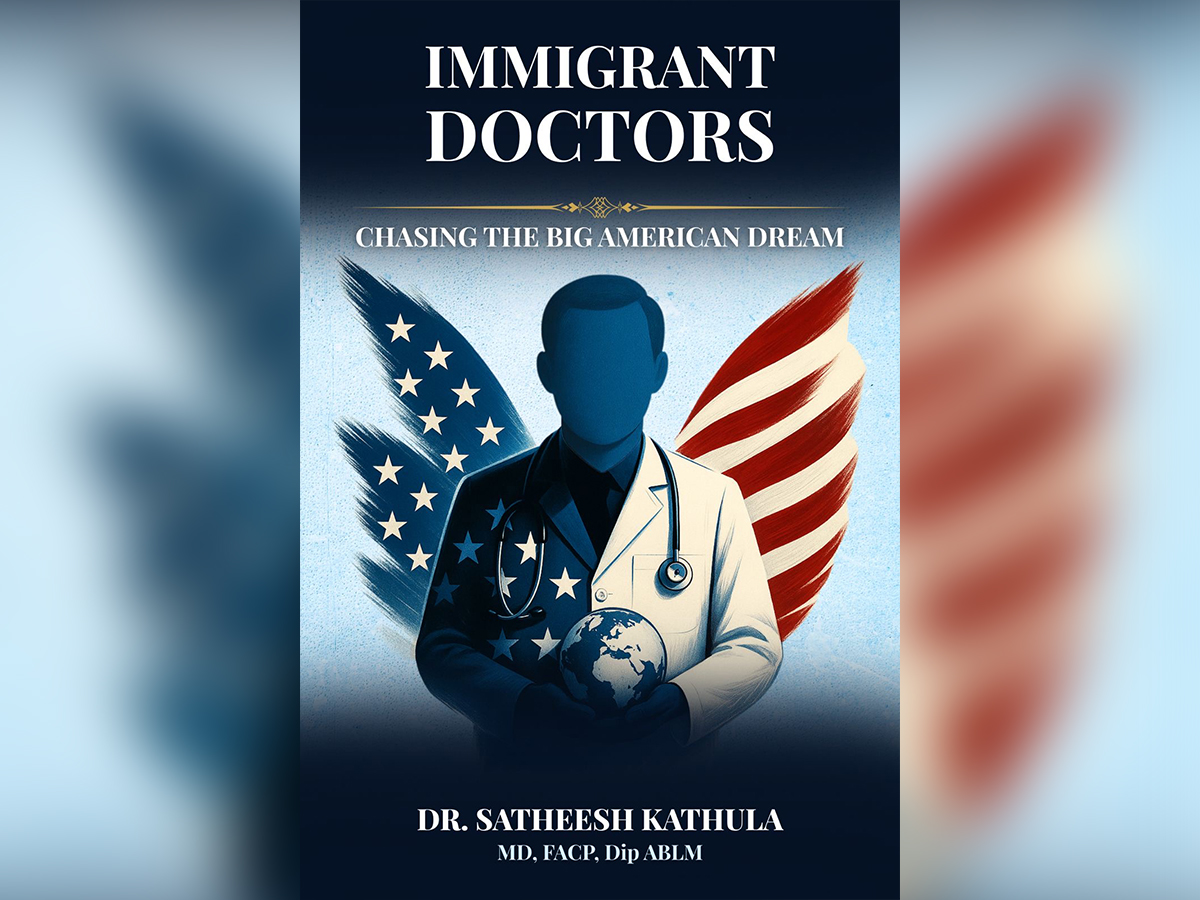
In this exclusive interview, Dr Kathula reflects on the tears, toil, and tenacity that defined his journey and those of countless others who served America with skill and hope.
Washington, D.C.: At a time when America is rethinking its immigration policies and grappling with shortages in healthcare talent, “Immigrant Doctors: Chasing the Big American Dream” arrives as both a timely reminder and a necessary provocation. It is often said that every seventh patient in the United States is cared for by a doctor of Indian origin—a number that may soon become every sixth. Behind this statistic lies the remarkable, decades-long journey of foreign-trained physicians whose white coats carry not just medical tools, but stories of sacrifice, grit, and unwavering hope. These “white-coat dreamers” helped shape one of the world’s most robust healthcare systems, even as they navigated cultural bias, relentless stress, and systemic hurdles. Their resilience remains the quiet force sustaining American medicine through its toughest eras.
In his new book, “Immigrant Doctors: Chasing the Big American Dream”, Dr Satheesh Kathula revisits his journey from a small village in Andhra Pradesh (now Telangana) to Chicago, interwoven with the struggles and triumphs of fellow immigrant physicians. The result is more than a memoir—it is a call for reflection and policy dialogue at a time when America’s healthcare future still rests heavily on the shoulders of foreign doctors as “white coat angels”.
In this exclusive interview, Dr Kathula reflects on the tears, toil, and tenacity that defined his journey and those of countless others who served America with skill and hope. Excerpts:
Q: Your book is a tale of every immigrant’s battle to live the Big American Dream. Looking back today, was that journey worth it?
A: Looking back, the journey was not just worth it— it was defining and transformative. Every obstacle, moment of cultural dissonance, and sleepless night spent studying or working extra hours shaped the person I am today. The American Dream is not a onesize-fits-all promise; it is a personal evolution grounded in persistence and purpose. For immigrants like me, it means finding our place in a new world while carrying our roots with us. Despite the struggles, the opportunity to serve, grow, and inspire the next generation makes the journey deeply meaningful.
Q: Your book appears at a time of major shifts in US immigration policies. How do the immigration battles of your era compare with those faced by Big American Dreamers today?
A: The challenges I faced decades ago still echo today. Long waits, unclear visa rules, and fears about status remain part of the immigrant experience. What has changed is the intensity and frequency of policy shifts, which create uncertainty for thousands of skilled professionals. My book draws these parallels to remind readers that today’s tensions are not new—they are recurring patterns that need empathy, thoughtful reform, and long-term vision rooted in fairness and inclusion.
Q: Your journey from Andhra Pradesh to Chicago was filled with cultural and emotional stress, similar to many foreign doctors you mention in the book. How much of that stress still follows immigrant physicians in American healthcare?
A: The stress continues, though in different forms. While technology has made some processes easier, credentialing hurdles, visa insecurities, and cultural isolation still weigh heavily on foreign doctors. They must constantly prove their worth while handling loneliness, homesickness, and the pressure to excel. These “White Coat Dreamers” shoulder not just medical responsibility but the expectations of their families and communities. Their emotional burden remains significant and often overlooked.
Q: Your book seems to offer reflections relevant to the current immigration debate. Your comments. Do you expect it to open policy conversations or offer solutions?
A: That is certainly my hope. While the book does not claim to provide all the answers, it offers something crucial: human stories grounded in lived experience. Policy discussions tend to overlook these perspectives. If the book encourages readers, policymakers, or institutions to consider compassion and long-term value—not just numbers—it could help influence change. I highlight the struggles of doctors on temporary visas and call for reforms to reduce delays, simplify pathways to residency, and address America’s worsening physician shortage.
Q: Do you expect it to open policy conversations or offer solutions?
A: The stories within serve as quiet but persistent calls for a more humane and visionary immigration system. To that end, I devoted an entire chapter to the immigration struggles of doctors on temporary visas— highlighting how outdated policies continue to delay or deny stability to thousands of skilled physicians. In a country facing a worsening physician shortage, this is not just an immigration issue—it’s a public health crisis. I’ve called for urgent reforms to bridge this gap: streamlining permanent residency for healthcare professionals, easing statelevel licensing barriers, and reducing bureaucratic delays. If the book helps move the needle on even one of these fronts, it will have served its purpose.
Q: The stories in your book reflect resilience, discipline, and perseverance as keys to survival and success. Do you still prescribe that “pill” today?
A: I do, but with added emphasis on self-advocacy, emotional wellness, and community support. Resilience and discipline helped us survive the toughest challenges, but immigrants today should not feel compelled to carry everything alone. The system must evolve, but until it does, strength combined with supportive networks can create sustainable success. This “pill” is not just for survival—it’s for sustainable, meaningful success in a foreign land.
Q: Talents such as doctors, engineers, tech professionals, and scholars have been vital to America’s growth. What is your mantra for keeping the connection between immigrants and America strong?
A: My mantra is simple: nurture connection, not just contribution. Talented immigrants come to America to build lives, not just fill workforce needs. They bring innovation, culture, compassion, and resilience—traits that have powered America’s success story for generations.
To keep the umbilical cord strong, we need to value them holistically: by making immigration pathways transparent, creating spaces for cultural integration, and treating them not as outsiders but as future citizens. It’s also about fostering two-way respect— where immigrants honour their adopted home, and the country, in return, invests in their dreams.
That mutual respect is the lifeblood of lasting connection.
