US senators urge Trump to push India on 30% pulse tariffs, warning they hurt American farmers and may shape US–India trade talks
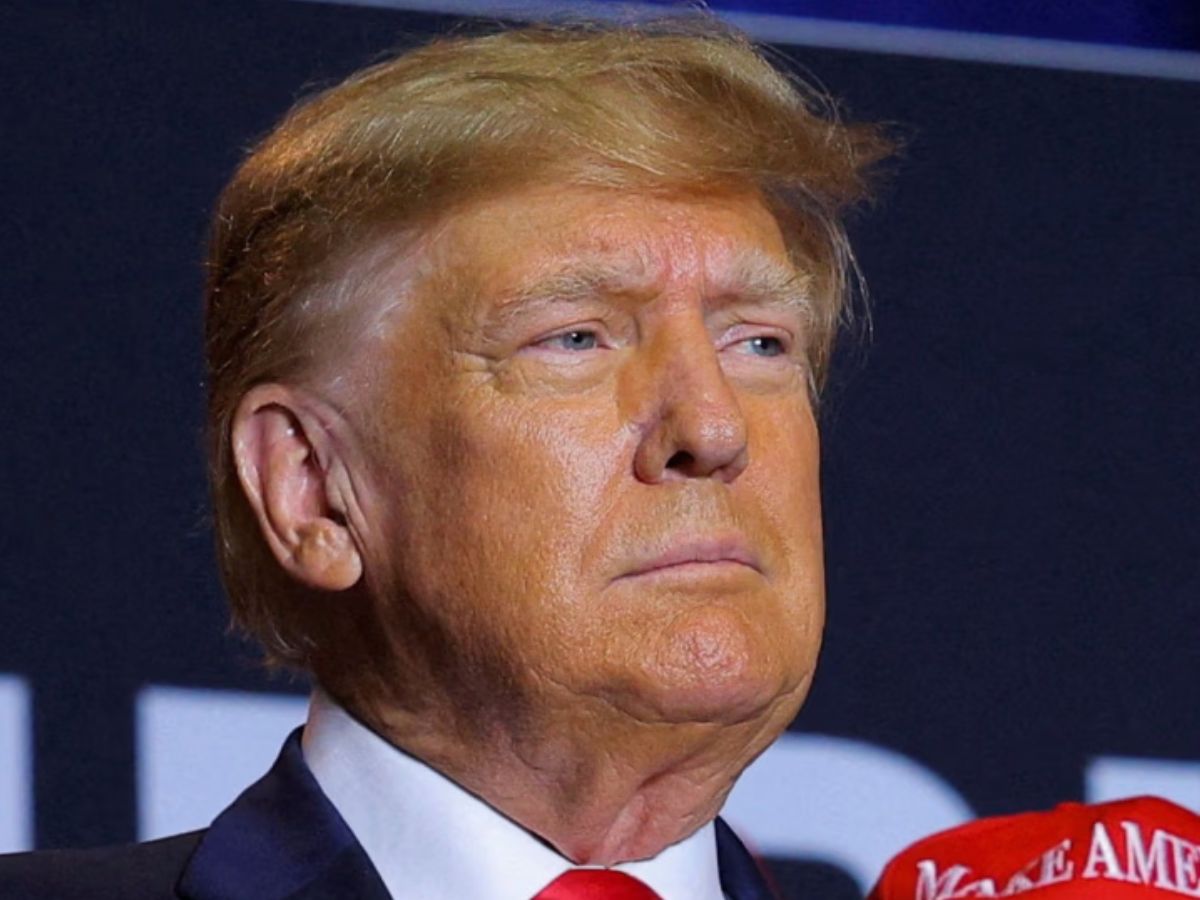
Why Are US Lawmakers Asking Trump to Push India on Pulse Import Tariffs (Source: X)
Several US lawmakers have urged President Donald Trump to push India to reduce or remove its high import duties on pulse crops, saying the current policy hurts American farmers and limits fair access to the Indian market.
In a letter sent to Trump, Republican senators Kevin Cramer of North Dakota and Steve Daines of Montana asked the administration to seek “favourable” provisions for US pulse crops in any future trade agreement with India.
The senators pointed out that North Dakota and Montana are leading producers of pulse crops such as peas in the United States. At the same time, India is the world’s largest buyer of these crops. According to the lawmakers, US farmers began facing serious challenges after India imposed a 30 per cent import duty on yellow peas last year.
“As a result of unfair Indian tariffs, US pulse crop producers face a significant competitive disadvantage when exporting high-quality product to India," the senators wrote.
They added that these tariffs make it harder for American farmers to compete with suppliers from other countries that face lower duties in the Indian market.
Cramer and Daines also referred to Trump’s previous term as president, noting that in 2020 he had helped encourage Prime Minister Narendra Modi to engage directly with US farmers and consider their concerns during trade discussions.
“They have tremendous capacity to feed and fuel the world if trade opportunities are unleashed. Engaging PM Modi on pulse crop tariffs to enhance the economic cooperation between our countries would be mutually beneficially to both American producers and Indian customers," the senators wrote in the letter.
India announced on October 30, 2025, that it would impose a 30 per cent tariff on yellow peas. The higher duty officially came into effect on November 1, 2025.
The senators noted that pulses are a staple food in India, with lentils, chickpeas, dried beans and peas among the most commonly consumed varieties. They said India has “levied substantial tariffs on American pulse crops,” making it harder for US exports to reach Indian buyers.
In their letter, the lawmakers stressed that addressing pulse crop tariffs could strengthen economic cooperation between the two countries. They said American farmers are well positioned to help meet India’s demand while also supporting US efforts to reduce trade imbalances.
The senators concluded that renewed engagement with Prime Minister Modi on pulse tariffs would benefit both sides by supporting American agricultural producers and ensuring reliable supplies for Indian consumers.
