UK introduces mandatory ETA from Feb 25, 2026. Who needs it, cost, validity, rules for dual nationals, eVisa process and how to apply explained.
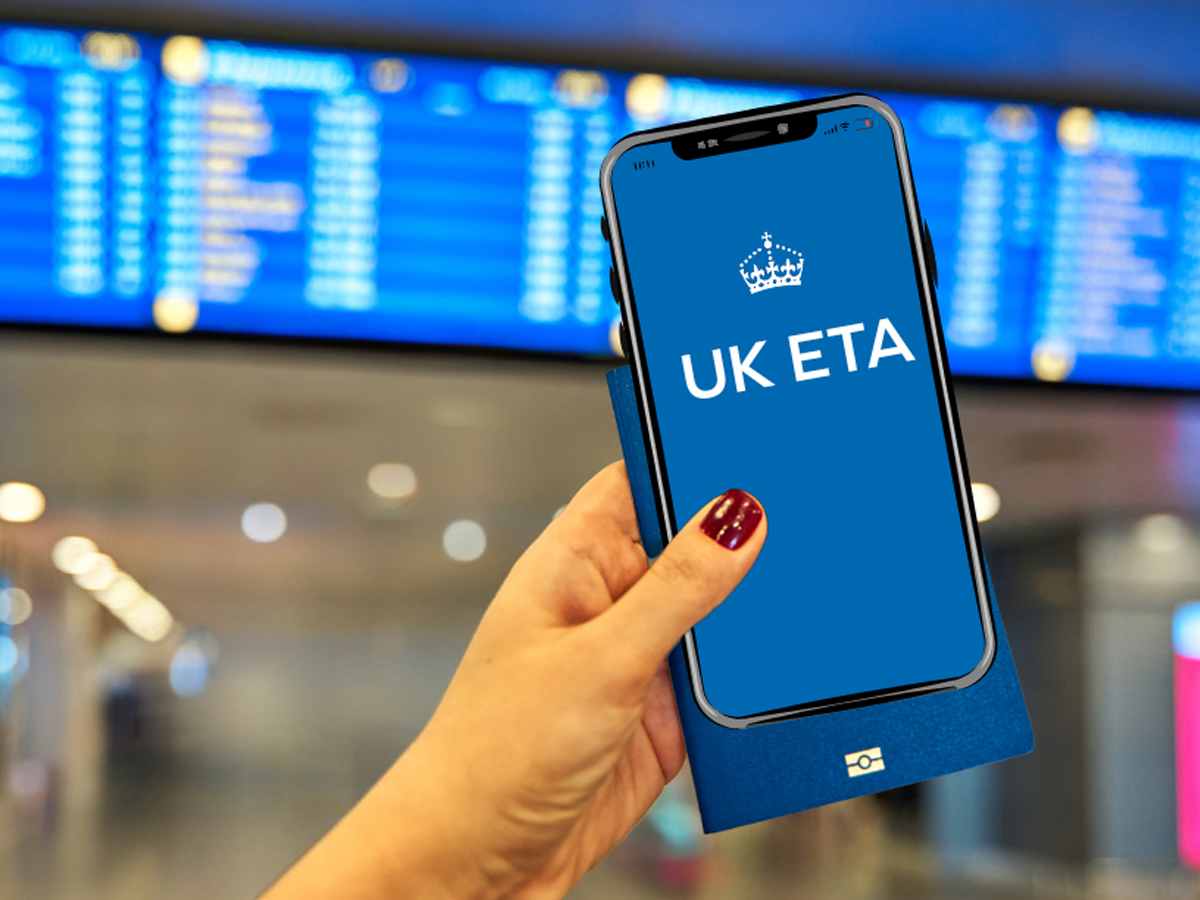
The UK government says the system will help identify security risks earlier, reduce congestion at borders, and modernise immigration checks using digital verification linked directly to passports. (File Photo)
The United Kingdom is set to change how millions of international travellers enter the country. From February 25, 2026, visitors from 85 visa-exempt countries, including the United States, Canada, and France, must secure a mandatory Electronic Travel Authorisation (ETA) before boarding any transport to the UK.
The move marks a major shift in the UK’s border control system and brings it closer to travel authorisation models used by the US and EU. Authorities say the new digital requirement will strengthen security while making the immigration process faster and paper-free.
An ETA is a digital travel permission, not a visa or a tax. It allows travellers to board flights, trains, or ships bound for the UK, but it does not guarantee entry. Final clearance will still rest with border officials on arrival.
The UK government says the system will help identify security risks earlier, reduce congestion at borders, and modernise immigration checks using digital verification linked directly to passports.
Most visitors from countries that previously enjoyed visa-free entry will now need an ETA for short stays such as tourism, business travel, or short-term study.
Travellers transiting through the UK and passing passport control must also apply for an ETA. However, passengers changing flights at Heathrow or Manchester without crossing border control remain exempt.
British and Irish citizens do not need an ETA.
However, dual British nationals cannot apply for an ETA and must travel using a British passport or a Certificate of Entitlement.
Dual nationals face stricter documentation rules under the new system. They will no longer be allowed to enter the UK using only a foreign passport.
Bhaarat Dave, deputy head of mission at the British Deputy High Commission in Kolkata, explained the digital shift, saying, “With an eVisa, applicants have to attend the VAC only once to confirm their identity. The passport will be returned at that time, removing the need to collect it later after a vignette is pasted.”
A Home Office spokesperson added, “Public information advising dual nationals to carry the correct documents has been available since October 2024, and a substantive communications campaign about the introduction of ETA has been running since 2023.”
The UK has fully replaced physical visa stickers with eVisas, which serve as a digital record of immigration status. These records confirm visa type, duration, and conditions such as work or study permissions.
Applicants still need to visit a Visa Application Centre (VAC) once for biometrics and identity verification, but passports are returned the same day, ending weeks-long waiting periods seen earlier.
The ETA links digitally to the passport. Travellers do not need a printout but are advised to keep a copy for records. Applications should be submitted at least three working days before travel via the official UK ETA app.
Airlines, rail operators, and shipping companies will carry out automated checks. Travellers without a valid ETA may be denied boarding, even before reaching the UK.
The ETA system reshapes UK travel rules for short-term visitors and tightens compliance. While it simplifies digital verification, missing the requirement could derail travel plans instantly.
As the UK completes its shift to a fully digital immigration framework, travellers must adapt early to avoid last-minute disruptions.
