Trump eyes fresh national security tariffs on batteries, steel, chemicals, and telecom equipment after Supreme Court struck down most second-term levies.
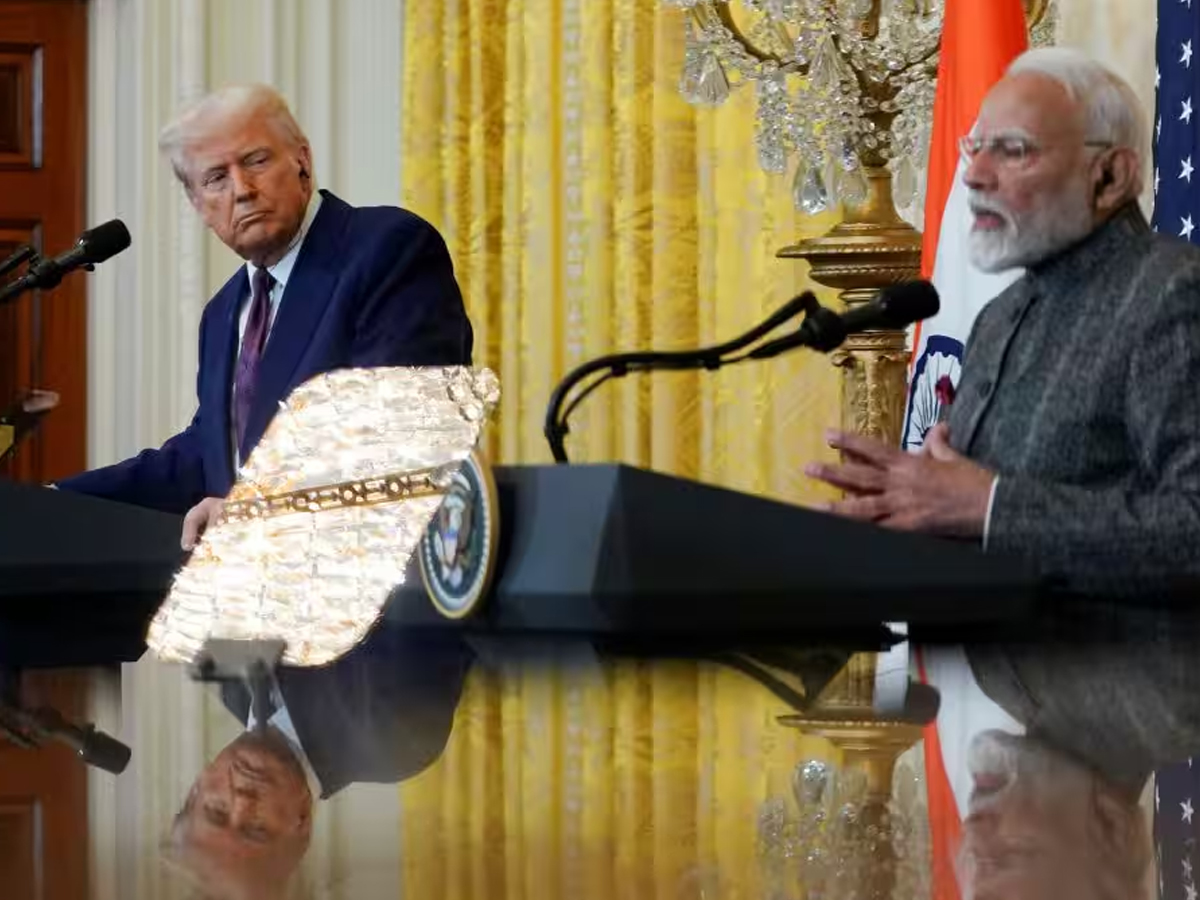
Section 232 has been the legal foundation for Trump’s earlier tariffs on steel, aluminium, copper, cars, trucks, and auto parts. (Photo: Reuters)
U.S. President Donald Trump is considering imposing new national security tariffs on several industries after the Supreme Court struck down many of his second-term import levies. According to the Wall Street Journal, the proposed tariffs could affect sectors such as large-scale batteries, cast iron and iron fittings, plastic piping, industrial chemicals, and power grid and telecom equipment.
These tariffs would be issued under Section 232 of the Trade Expansion Act of 1962, which allows the president to impose duties on imports that may threaten national security. They would be separate from the 15 per cent global tariff that Trump has proposed to remain in effect for five months.
Section 232 has been the legal foundation for Trump’s earlier tariffs on steel, aluminium, copper, cars, trucks, and auto parts. While the Supreme Court struck down most of his second-term tariffs issued under the International Emergency Economic Powers Act (IEEPA) in a 6-3 ruling, it did not challenge Section 232 tariffs.
Trump could launch new Commerce Department investigations to identify products to be affected, though such probes are typically lengthy. Once duties are imposed, the president can adjust them unilaterally, making Section 232 a powerful tool for controlling trade under national security justifications.
"Safeguarding America's national and economic security remains a top priority for President Trump, and the Administration remains committed to using every lawful authority to deliver," said Indian-origin White House spokesman Kush Desai.
Trump’s earlier tariffs sparked retaliatory measures from countries around the world, including India, targeting steel, aluminium, and related goods. Fresh national security tariffs could once again affect exports of metals, chemicals, and industrial components tied to global supply chains.
In recent years, New Delhi and Washington have sought to stabilise trade relations even as disputes over tariffs have lingered. However, Trump has warned countries to honor any trade agreements despite the Supreme Court ruling, threatening higher tariffs for those who “play games.”
"Any Country that wants to 'play games' with the ridiculous Supreme Court decision, especially those that have 'ripped off' the USA for years, and even decades, will be met with a much higher Tariff, and worse, than that which they just recently agreed to," Trump posted on Truth Social.
The proposed tariffs target industries that are critical to national security, including power grids and telecom equipment, reflecting Trump’s stated priority of protecting American industry. Analysts note that while Section 232 tariffs have faced fewer legal challenges than other levies, global supply chains could be disrupted if new duties are imposed.
Experts warn that the move could reignite trade tensions, affecting both U.S. manufacturers and export markets abroad. Companies in India and other trading partners may need to adjust production and pricing strategies to mitigate potential tariffs on their products.
It remains unclear when the Commerce Department will announce investigations or when any new duties might take effect. Trade observers are closely watching how Trump balances domestic security concerns with the potential fallout in global trade.
For now, the focus remains on Section 232 as the president’s main tool for imposing tariffs under national security grounds, with markets, industry leaders, and international partners awaiting clarity on which sectors will be targeted and how the new measures could reshape trade flows.
