
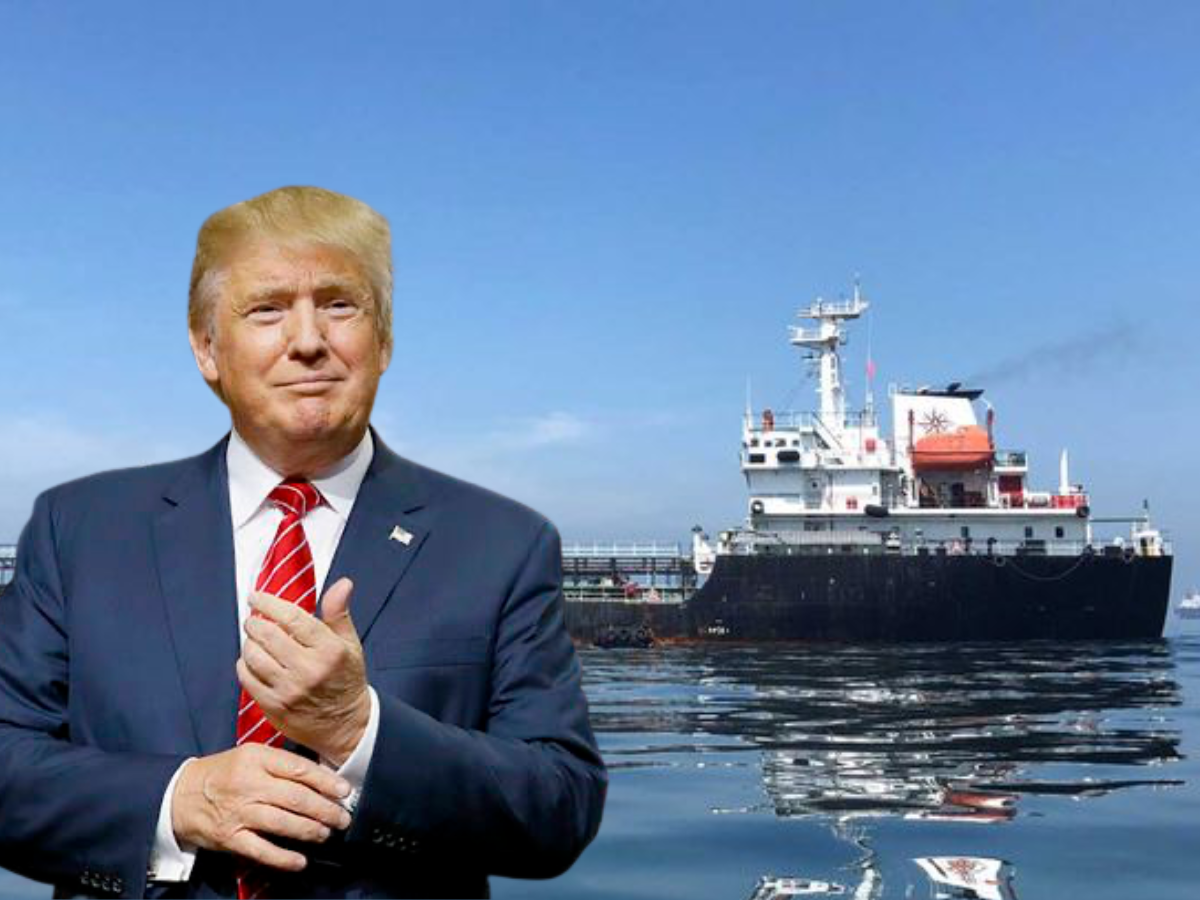
President Donald Trump’s declaration about Venezuela supplying the United States with oil to the tune of up to $2.8 billion following the apprehension of President Nicolas Maduro seems to have injected a strong economic element in an already precarious political situation.
Trump Announces the $2.8 Billion in Oil
Trump claimed that Venezuela would deliver 30 to 50 million barrels of crude oil. At average prices of around $56 per barrel, this would be worth between $1.7 billion to $2.8 billion. The highest of these amounts would be just a percentage of Venezuelan pre-sanctioned production levels for a period of a couple of months and less than 0.3% of annual global crude consumption.
Trump says he’s going to sell 30 to 50 million barrels of Venezuelan oil.
How much money are we talking here?
At today’s market prices:
30 million barrels = $1.7b
50 million barrels = $2.8bThat’s peanuts.
US national debt increased by $6.1 billion PER DAY in 2025.
The US… pic.twitter.com/mosZebWXQ1
— Daniel Sempere Pico (@BTCGandalf) January 7, 2026
Market Reaction & Supply Reality
Oil prices reacted with caution with the benchmark crude fell by more than 2% shortly after Trump’s comments to indicate that they view it as a temporary supply shock rather than a permanent change. Venezuela’s current production stands at less than 800,000 barrels per day, down from more than 3 million barrels per day just about two decades ago. It is a near-consensus view that Venezuela has been starved of investment for so long that it cannot upgrade its production capacity quickly, irrespective of its new government.
Strategic Impact Beyond the Numbers
Although the economic implications of oil imports are modest and the transfer holds geopolitical significance. Venezuela was supplying a large part of its discount oil to China at times exceeding 500,000 barrels per day and Chinese influence was increasing. The diversion of 30 to 50 million barrels of oil to the US impact the same and makes the clear intention of the US to decrease Chinese influence in the Latin American petroleum market. It increases American influence in the region.
Who will Benefits
US Gulf Coast refiners, particularly facilities operated by Valero and Phillips 66 are designed to handle heavy Venezuelan crude, unlike many Asian refineries. Some of the oil may also be placed into storage, where US stockpiles are hovering near five-year seasonal lows. Experts emphasize, however, that is a one-time event. Without billions in reinvestment and stable governance, the oil sector in Venezuela will remain a shadow of its former self.




