Trump warns Greenland of a ‘hard way’ acquisition while detailing a $100B private oil plan for Venezuela. Oil executives remain hesitant as geopolitical pressure rises.
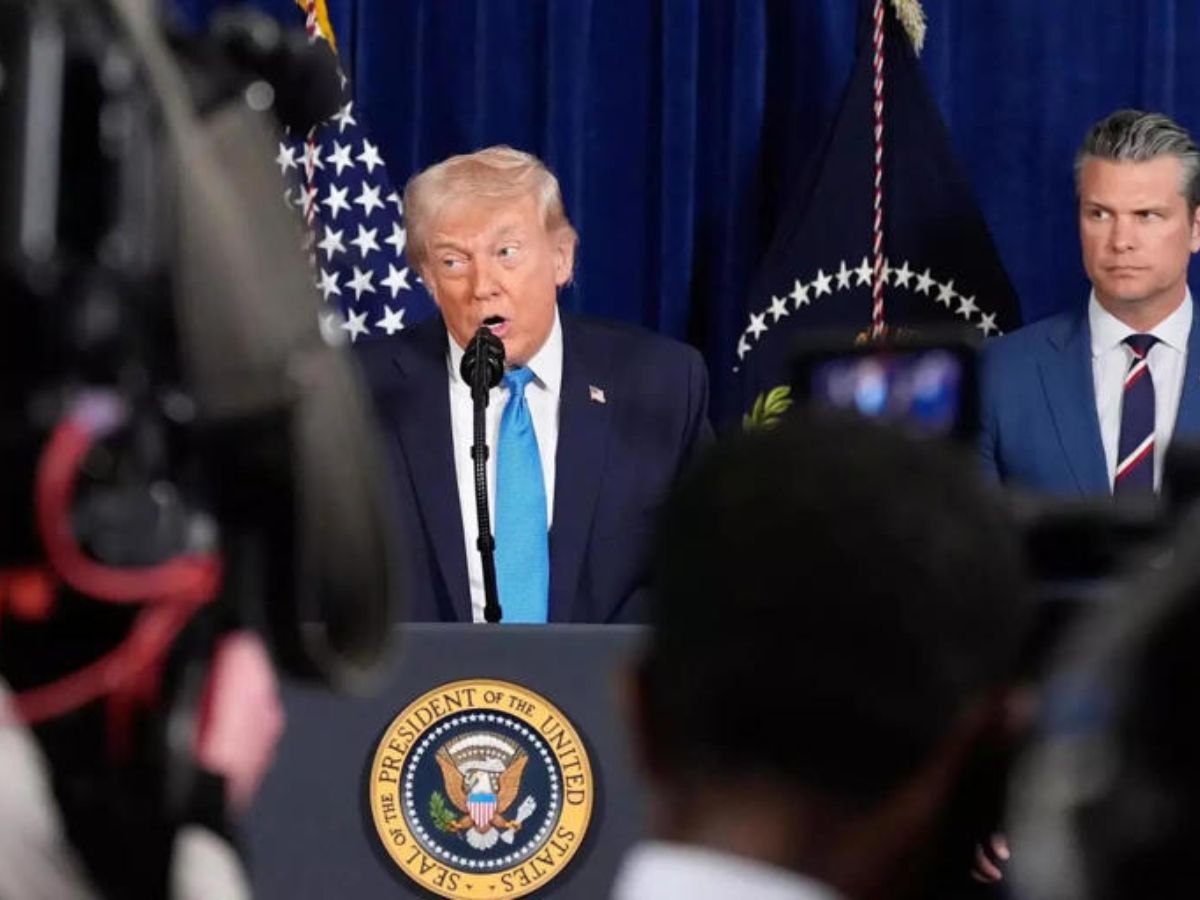
Trump warns Greenland of ‘hard way,’ details $100B private oil plan for Venezuela (Image: X)
WASHINGTON, D.C., United States, January 10 — President Donald Trump framed his foreign policy goals in stark transactional terms Friday, warning Greenland about a “hard way” acquisition while detailing a plan for U.S. oil companies to spend private billions rebuilding Venezuela’s industry. The twin focuses highlight an administration leveraging economic and strategic pressure.
The President reiterated his interest in acquiring the Arctic territory, telling reporters, “If we don’t do it the easy way, we’re going to do it the hard way.” He denied discussing specific payments yet. This comes after Greenlandic and Danish diplomats met with White House officials Thursday, a meeting where Greenland again insisted it is not for sale. Trump’s comments signal continued pressure despite public rejection from the territory and its sovereign power, Denmark.
Trump outlined a vision where U.S. oil firms invest “at least $100 billion of their money, not the government’s money” to revitalize Venezuela’s crippled oil sector. He stated Venezuela has agreed to let the U.S. immediately begin refining and selling up to 50 million barrels of its crude. The President acknowledged companies need “government protection and security” but not federal funding, hoping to avoid a financial “backstop.” He suggested most on-ground workers would be Venezuelan, leveraging local expertise and high unemployment.
Both situations reflect Trump’s approach to strategic assets: applying direct pressure for control, whether over territory or resources. In Venezuela, the goal is leveraging captured oil infrastructure for global market influence and U.S. corporate profit. With Greenland, the aim is the territory’s vast mineral resources and strategic Arctic position. The “easy way” versus “hard way” language frames both as negotiable deals where U.S. objectives are non-negotiable.
Major firms remain publicly hesitant. At a White House meeting Friday, ExxonMobil CEO Darren Woods warned Venezuela is currently “uninvestible,” though he agreed to send an assessment team with security guarantees. Other executives declined to commit. Their caution highlights the gap between the administration’s geopolitical moves and the major financial and safety risks of operating in a country under U.S. military occupation and political upheaval.
For Venezuela, the path involves securing the country to attract the private investment Trump envisions. For Greenland, diplomatic tensions with Denmark will likely escalate if the U.S. continues its pursuit. Trump stated he does not believe a “second wave” of attacks in Venezuela is necessary, citing cooperation from the interim government. This suggests a temporary pivot from military to economic and diplomatic pressure on both fronts.
A: President Trump stated U.S. oil companies would spend “at least $100 billion” of their own private money, not U.S. government funds, on the effort.
A: Not yet. CEOs from ExxonMobil, ConocoPhillips, and others expressed caution at a White House meeting, citing major security and investment risks.
A: No. The governments of Greenland and Denmark have consistently and publicly stated the autonomous Danish territory is not for sale.
