Donald Trump openly questions Ayatollah Khamenei’s rule as protests shake Iran, escalating tensions between Washington and Tehran amid regime change signals.
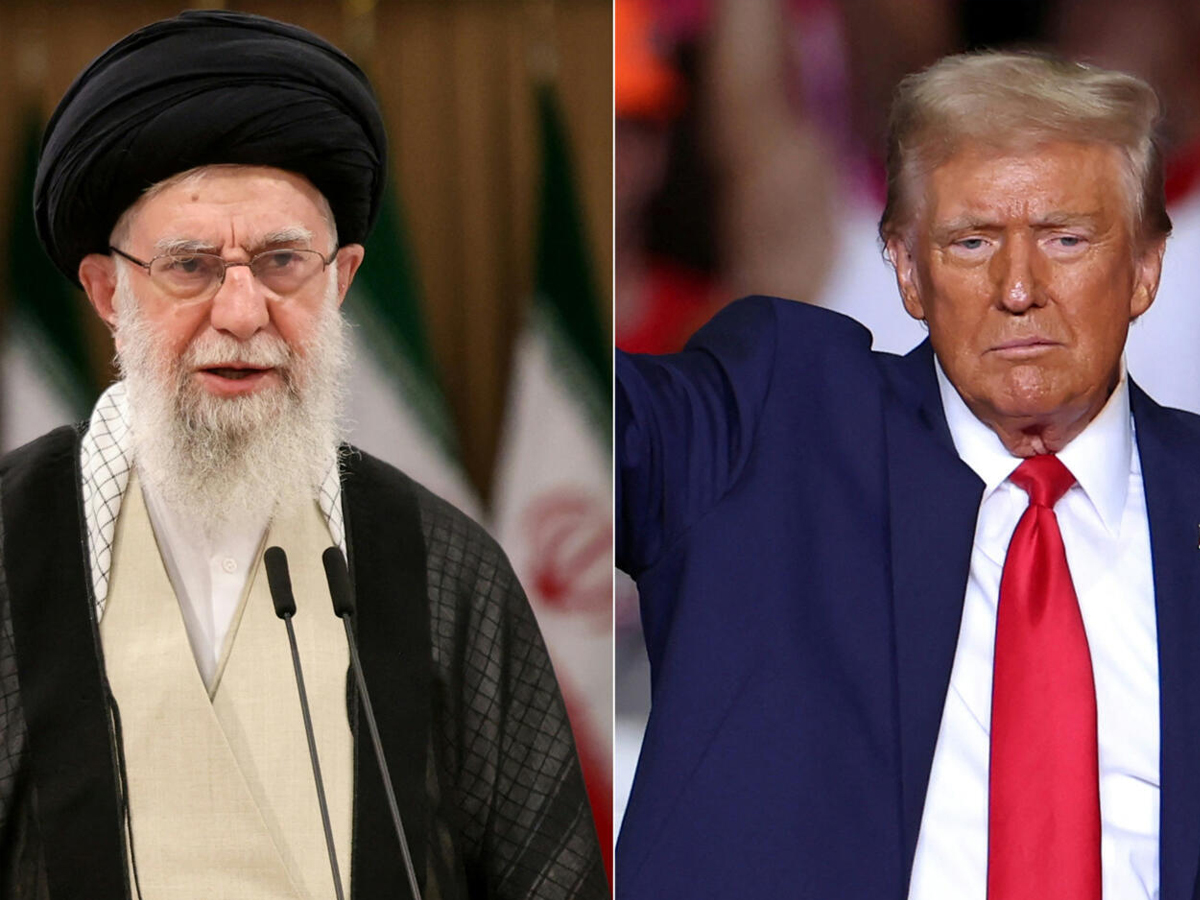
The protests began on December 28, 2025, triggered by rising prices and job losses, before expanding into calls for an end to clerical rule. (File Photo)
For the first time during his current term, US President Donald Trump has openly appeared to question the continuation of Ayatollah Ali Khamenei’s decades-long rule in Iran, sharply escalating already fragile relations between Washington and Tehran. His remarks come amid weeks of unrest inside Iran, where economic anger transformed into political protests challenging the country’s clerical leadership.
Speaking to Politico on Saturday, Trump reacted strongly to recent social media posts by Iran’s supreme leader that accused the United States of fueling violence during the protests. “It’s time to look for new leadership in Iran,” Trump said, marking his clearest signal yet of regime-change rhetoric.
Although protests across Iran have largely eased after weeks of unrest, the human toll remains severe. Rights groups estimate that thousands of protesters lost their lives during clashes with security forces. Trump has repeatedly cited these deaths while warning Tehran against further crackdowns.
Khamenei, meanwhile, has directly blamed Trump for the bloodshed. In a series of posts on X, the Iranian leader accused the US president of responsibility for chaos and casualties. “We find the US president guilty due to the casualties, damages and slander he inflicted upon the Iranian nation,” Khamenei wrote.
In another message, he accused Trump of misrepresenting violent groups as voices of the Iranian people, calling it “an appalling slander.”
Iran’s supreme leader claimed that the unrest was not organic but orchestrated by foreign enemies. He accused the United States and Israel of directing groups that burned property, damaged infrastructure, and intentionally spread instability.
Khamenei described these actions as “crimes” and a “grave slander” against Iran, insisting that foreign powers sought to weaken the Islamic Republic by exploiting public frustration over economic conditions.
The protests began on December 28, 2025, triggered by rising prices and job losses, before expanding into calls for an end to clerical rule.
After reviewing Khamenei’s posts, Trump accused Iran’s leadership of ruling through fear and violence. “What he is guilty of, as the leader of a country, is the destruction of the country and the use of violence at levels never seen before,” Trump said.
He added, “To keep the country functioning — even at a very low level — the leadership should focus on running the country properly, as I do with the United States, and not killing people by the thousands to stay in control.”
Trump framed leadership as a moral responsibility, saying, “Leadership is about respect, not fear and death.”
He went further with a personal assessment of Iran’s supreme leader, stating, “The man is a sick man who should run his country properly and stop killing people.”
Earlier this month, Trump warned of “very strong action” if Iran executed protesters. On Friday, however, he appeared to soften his tone briefly by thanking Iranian authorities for calling off mass hangings — a claim Tehran denied, saying there was “no plan to hang people.”
Despite that momentary pause, Trump’s latest remarks suggest a renewed hard line, especially as he described Iran as “the worst place to live anywhere in the world because of poor leadership.”
Trump’s comments mark a significant shift from indirect criticism to direct questioning of Iran’s top authority. While he stopped short of announcing concrete steps, his words signal growing pressure on Tehran at a time when the country remains economically strained and politically tense.
Analysts believe the exchange underscores how protests inside Iran have now spilled onto the global stage, turning domestic unrest into a focal point of international confrontation.
