President Trump claims tariff revenue could eventually replace US income tax, easing Americans’ burden, despite Supreme Court blocking his major import duties.
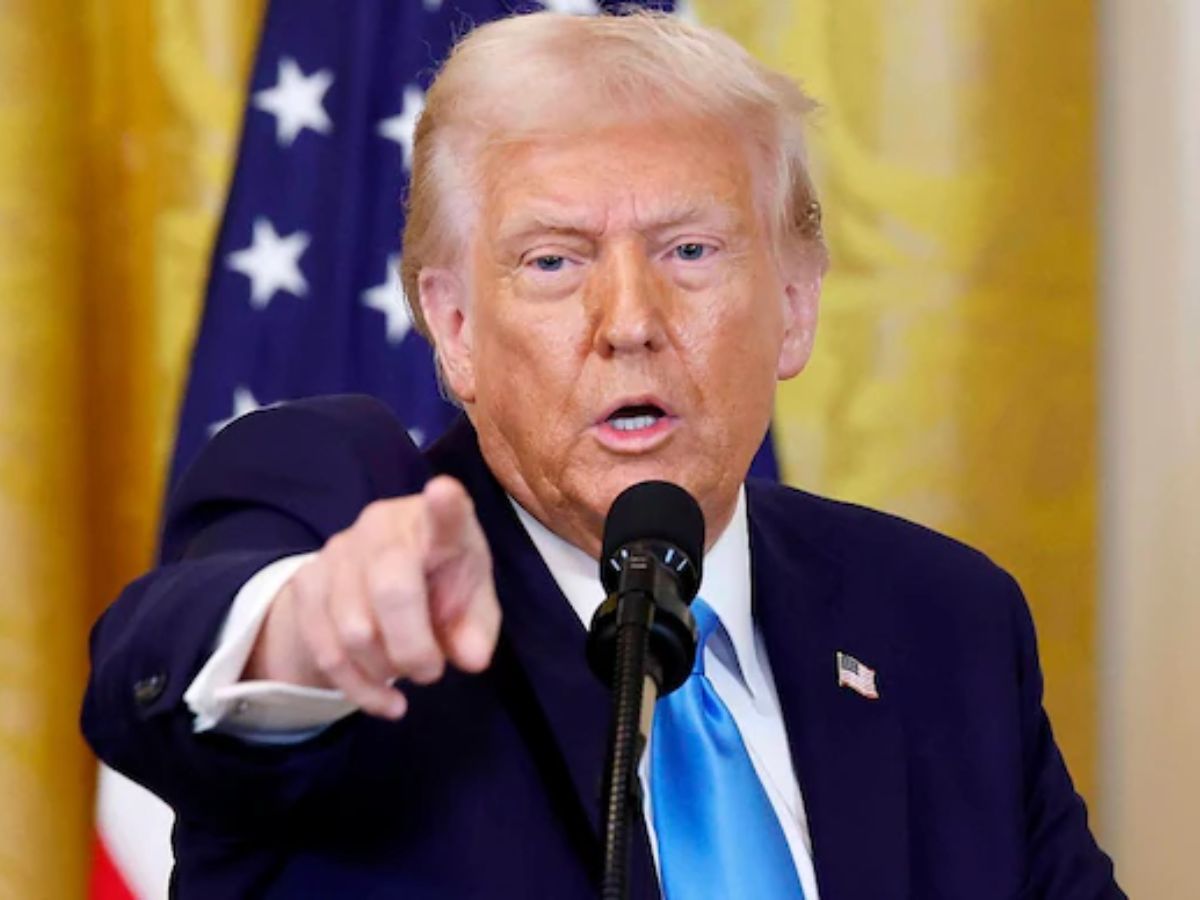
President Trump claims tariff revenue could eventually replace US income tax [Photo: X]
In his 2026 State of the Union address, US President Donald Trump made waves by claiming that revenue from tariffs on imports could eventually replace the US income tax system. He presented this as a way to ease the financial burden on American households while strengthening the country’s economy and trade position.
Trump emphasised that countries previously taking advantage of the US in trade are now “paying billions” through tariffs, a strategy he says has already fueled economic growth and national security. His bold claims have sparked debate among lawmakers, economists, and the public.
President Trump boldly stated that tariffs, paid by foreign countries, could one day replace the modern system of income tax. He argued this would relieve ordinary Americans of a major financial burden, making life more affordable for families across the country.
The president repeatedly emphasised that these tariffs are a way to collect money from nations that have historically taken advantage of US trade policies, rather than increasing taxes on US citizens.
This statement drew attention because it suggests a fundamental shift in how government revenue can be generated. Trump framed tariffs as both a fiscal and patriotic strategy, promising Americans relief while strengthening the economy.
Trump believes tariffs are a reliable source of revenue because they target countries with which the US has long-standing trade deficits. By imposing duties on imports, he claims the US collects billions of dollars that can fund government operations without asking Americans to pay more in taxes.
He also connects this strategy to national security, arguing that using tariffs gives the US leverage in global negotiations and allows for fairer trade deals. According to Trump, this approach ensures that other countries “pay their fair share” instead of profiting at the US’s expense.
He believes that over time, the funds from tariffs could become significant enough to reduce or even replace income taxes for citizens.
Just before his speech, the US Supreme Court ruled 6–3 that Trump had exceeded his presidential authority with his broad tariff plan. The court blocked many of his major import duties, dealing a legal setback to his economic strategy. Trump called the decision “very unfortunate” but reassured the public that most countries would honour the trade deals already negotiated.
He quickly signed a new order imposing tariffs of 10–15% on global imports under a different legal framework, allowing for temporary duties of up to 150 days. This action shows Trump’s determination to continue his trade strategy, despite legal hurdles. It also highlights the limits of executive power and the ongoing tension between the White House and the judiciary.
In his address, Trump made a bold claim that tariffs not only provide revenue but also help resolve international disputes. He argued that the threat of tariffs allowed him to settle conflicts abroad, protect national security, and secure economic benefits for the US.
Trump emphasised that these measures are already tested, approved, and effective, and that Congressional action is not necessary. His speech framed tariffs as a multifaceted tool, supporting trade, protecting American interests, and potentially lightening the tax burden at home.
This claim sets a dramatic tone for his economic policy and emphasises the president’s hands-on approach to global negotiations.
Trump presented tariffs as a major factor in what he calls a “stunning economic turnaround.” He said countries that previously “ripped us off for decades” are now paying hundreds of billions in duties, which has strengthened US finances.
He argued that this approach has avoided inflation, encouraged economic growth, and delivered results for taxpayers. By framing tariffs as a tool for both revenue and fairness, Trump positioned them as central to his economic achievements. Supporters see this as a win for domestic industries and workers, while Trump also claims it improves the country’s leverage in international trade.
Despite Trump’s claims, economists and analysts are skeptical that tariffs can replace income tax. They point out that tariff revenue is historically a very small fraction of government income, often less than 5%, while income taxes fund more than half of federal operations.
Experts also note that tariffs often increase costs for American consumers, as importers pass on the extra charges. Relying too heavily on tariffs could distort trade, provoke retaliation, and create economic uncertainty.
Many analysts say that while tariffs can supplement revenue, replacing income tax entirely is unrealistic and could have unintended consequences for the broader economy.
Trump’s tariff claims drew mixed reactions across the political spectrum. Supporters applaud him for protecting American jobs, securing better trade deals, and challenging unfair practices by other countries. Critics argue that tariffs increase the cost of goods for ordinary Americans, hurt businesses, and create trade tensions.
Some state leaders have requested refunds for tariff collections after the Supreme Court ruling, claiming the duties unfairly burdened their local economies. Public reaction remains divided, with debates intensifying over how much revenue the US can realistically generate from tariffs versus traditional taxes.
