Trump says a 'massive armada' is moving toward Iran as the US closely watches protests, military signals, and rising tensions in the Middle East.
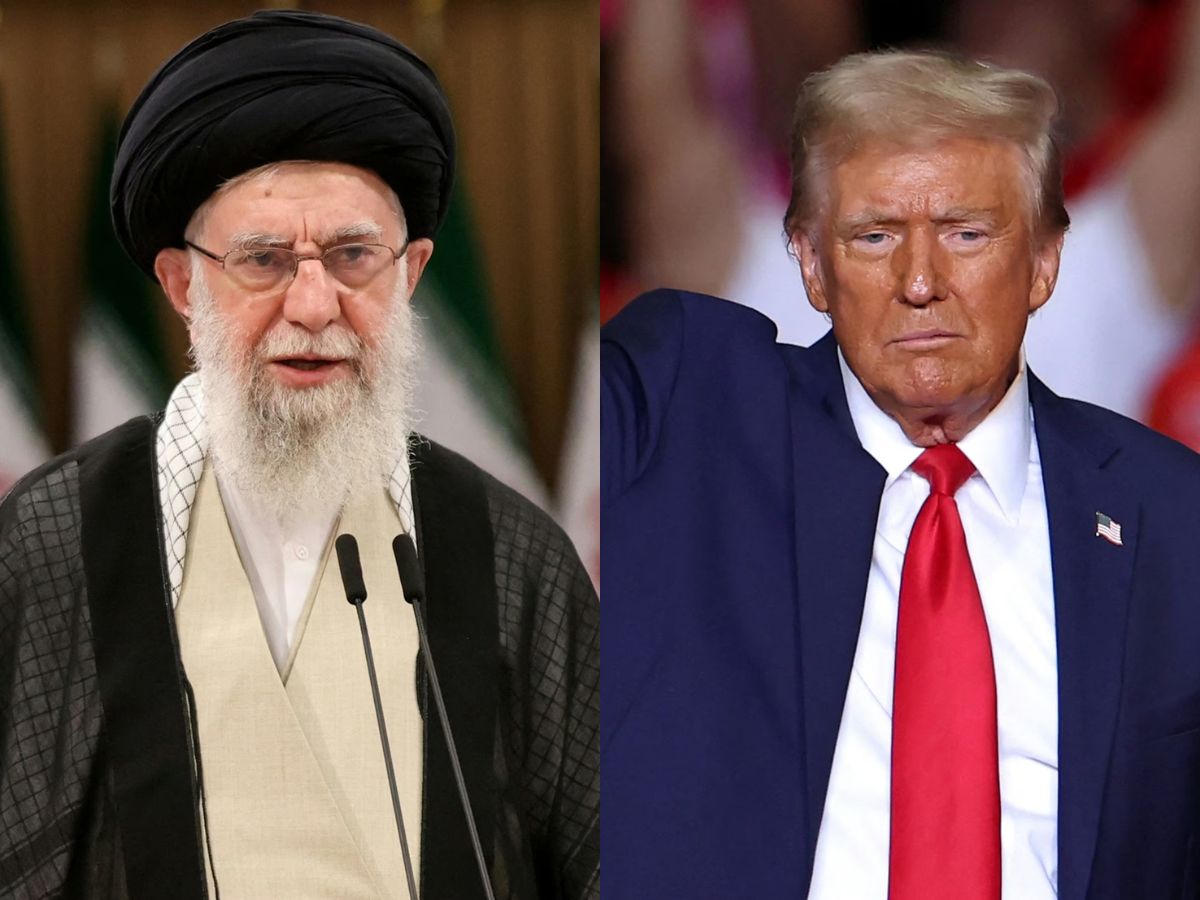
Trump says a 'massive armada' is moving toward Iran [Photo: X]
The United States is increasing military pressure on Iran as President Donald Trump confirmed that a large US naval force is heading toward the region. Trump said Washington is closely monitoring Tehran but stopped short of announcing any immediate military strike.
The president made the remarks while speaking to reporters aboard Air Force One as he returned from the World Economic Forum in Davos, Switzerland. His comments come amid unrest in Iran and renewed global focus on Middle East security.
Trump said American warships are moving toward the Gulf as a precautionary step. “We're watching Iran,” Trump said. “You know we have a lot of ships going that direction, just in case... We have a big force going toward Iran.”
He described the deployment as “an armada” and a “massive fleet” but stressed that the US hopes it will not need to use force. “I'd rather not see anything happen, but we're watching them very closely.” US media reports suggest the USS Abraham Lincoln carrier strike group is among the assets being repositioned toward the Middle East.
Trump has not confirmed plans for a direct attack on Iran. While he highlighted the scale of the military movement, he framed it as a deterrent rather than a signal of war. “Maybe we won't have to use it,” he said.
The president also said he remains open to talks with Tehran. His comments suggest Washington is using military pressure to influence Iran’s behaviour while keeping diplomacy on the table.
However, Trump has repeatedly said that all options remain available. The US recently backed and joined Israel’s 12-day military campaign aimed at weakening Iran’s nuclear and ballistic missile programs. That involvement has increased fears of a wider regional escalation.
Iran is experiencing widespread anti-government protests. According to independent activist groups, the death toll from the crackdown has risen to over 5,000 people. State figures remain lower, but internet shutdowns and limited independent reporting make verification difficult.
This wave of unrest began in late December over economic hardship but quickly grew into broad challenges to the regime’s authority.
Iran is facing one of its most serious waves of anti-government protests in years. Demonstrations erupted over economic stress and political grievances before spreading nationwide.
Iranian authorities this week released their first official death toll from the unrest. The government said 3,117 people were killed. Rights groups claim the actual number could be far higher.
Trump linked US pressure to a pause in planned executions of protesters. He repeated his claim that American warnings helped stop 837 hangings.
Trump repeated claims that US pressure helped stop planned mass executions of detainees in Iran. He said earlier threats from Washington led Iranian authorities to halt plans to hang 837 protesters.
While independent confirmation is limited, Trump used the claim to justify continued vigilance and warning to Tehran.
Despite the military buildup, both Washington and Tehran have signalled that talks remain possible. An Iranian official suggested willingness to discuss the crisis, but also warned against miscalculations that might escalate tensions.
In Europe, some governments have urged support for Iranian reform movements and called for designating certain Iranian military groups as terrorists, adding political pressure on Tehran.
The situation remains fluid. US forces continue to move toward the region. Iran faces internal unrest and growing external scrutiny. Trump has made one thing clear. The US is prepared. It is watching closely. And it is ready to act if the situation escalates.
For now, Washington is keeping its options open, military, diplomatic, and economic, as tensions between the two countries continue to rise.
