Trump warns Cuba, Mexico and Colombia after U.S. Venezuela operation, drawing sharp reactions and concerns over regional stability and sovereignty.
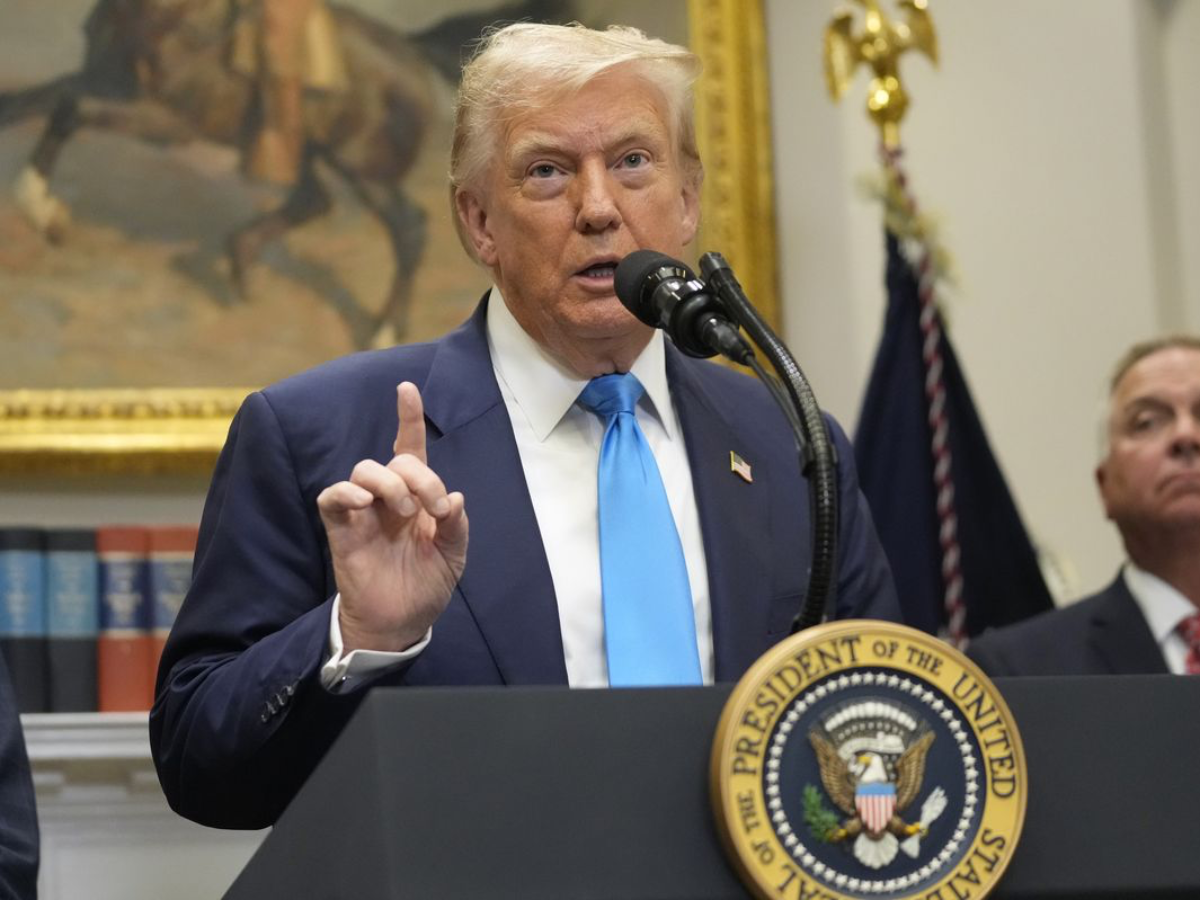
Trump Warns Latin American Neighbours After Maduro’s Capture (Photo: X)
The U.S. military operation that led to the capture of Venezuelan President Nicolas Maduro has rippled across Latin America drawing sharp warnings and criticism from neighbouring countries. President Donald Trump framed the mission as a decisive strike against drug trafficking and narco-terrorism, but his remarks also signaled that Mexico, Cuba and Colombia could face future U.S. action. The move has reignited debates over sovereignty, regional stability and Washington’s role in Latin America.
Following the operation, Trump sent pointed messages to both Mexico and Cuba. He suggested that Cuba, described as a failing nation, should brace for potential consequences, while insisting the U.S. wants to help the people there. Mexico was also singled out with Trump claiming that drug cartels have more influence than the government, despite the leadership of President Claudia Sheinbaum. He indicated that the U.S. could intervene to dismantle criminal networks if Mexico consented or if it failed to act.
Trump’s comments about Cuba emphasized both concern and opportunity while he criticized the government, he framed intervention as a way to assist Cuban citizens to those displaced abroad. Historical context loomed large, evoking past U.S. interventions in Cuba including the Bay of Pigs invasion, highlighting the delicate balance between strategic interest and humanitarian considerations.
Colombia also came under scrutiny trump accused President Gustavo Petro of tolerating large-scale cocaine production, stating, “They’re sending it into the United States, so he does have to watch his a**.” Petro, however, framed the U.S. operation as an attack on Latin American sovereignty, warning of potential humanitarian fallout. The Colombian president emphasized his country’s commitment to peace and adherence to international law, rejecting threats of military escalation.
Trump’s statements on Mexico were equally pointed and he argued that Sheinbaum lacks control over her country, with cartels dominating certain regions. Despite repeated offers from Trump to intervene against criminal organizations, Sheinbaum reportedly declined and stressing Mexico’s sovereignty. The president’s remarks underscored ongoing tensions over drug trafficking and U.S. expectations in the region.
The operation in Venezuela, dubbed Operation Absolute Resolve, removed Maduro and his wife, Cilia Flores, from power, with the U.S. taking temporary control of certain governmental functions. Trump justified the strike as a step to secure the country’s energy resources and counter narcotics networks. While the U.S. framed it as a tactical law enforcement measure, Latin American leaders condemned it as an illegal invasion that destabilizes the region.
Reactions were swift and unified in criticism. Mexico’s foreign ministry reaffirmed Latin America as a zone of peace governed by mutual respect. Colombia condemned the operation as a threat to civilians and sovereignty, while Cuba labeled it “cowardly and criminal.” The operation also drew criticism in Washington, with lawmakers questioning the legality and necessity of the strike, highlighting the broader geopolitical and constitutional debates it provoked.
British Prime Minister Keir Starmer said he preferred to consult with President Trump before commenting definitively on Maduro’s capture. “I have always maintained that international law must be respected,” Starmer told British broadcasters. “But given the fast-moving nature of this situation, it’s important to first establish the facts before making any judgments.”
