The resolution includes provisions for an International Stabilization Force to secure borders, protect civilians, facilitate humanitarian aid, and demilitarize Gaza.
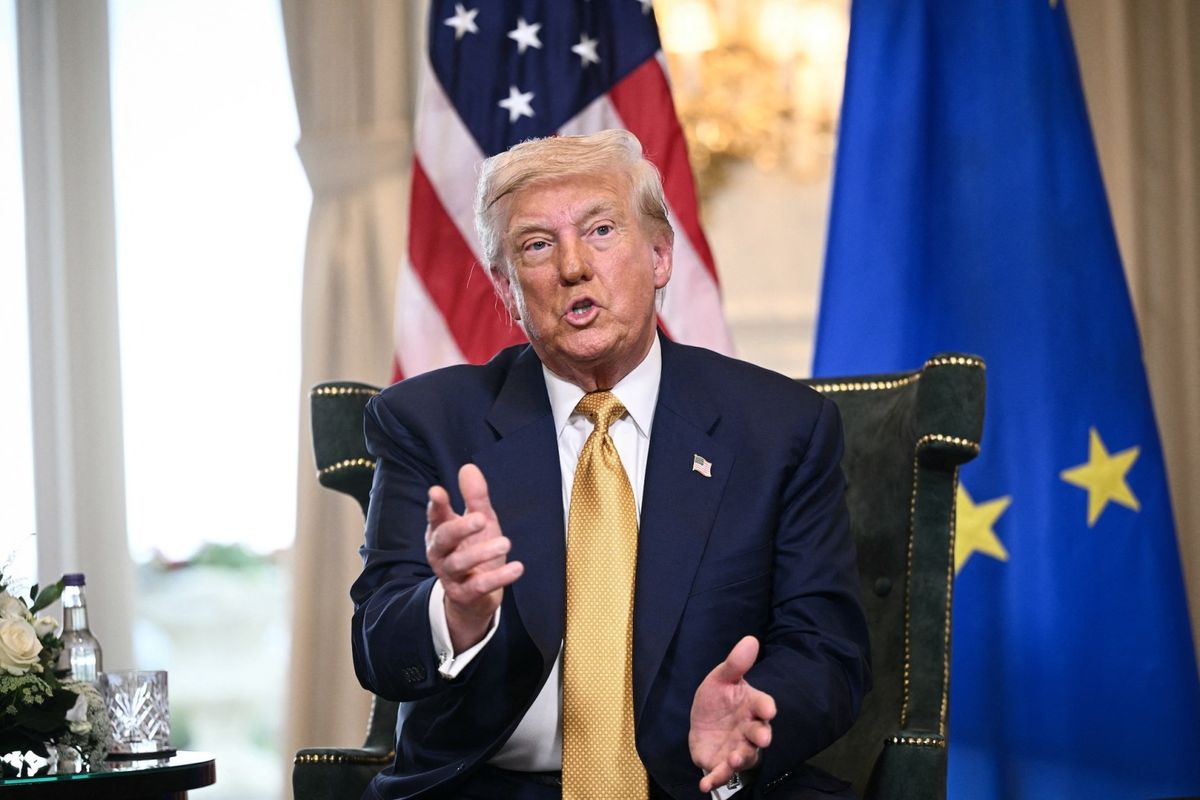
UN Security Council backs Trump’s Gaza peace plan; international stabilization force proposed amid disputes with Israel and Hamas (Photo: File)
NEW DELHI: The UN Security Council has adopted a U.S.-drafted resolution that endorses President Donald Trump's comprehensive 20-point peace plan for Gaza and authorizes the deployment of an International Stabilization Force (ISF) in the territory. The vote on Monday, November 17, 2025, passed with 13 votes in favour and abstentions from permanent members China and Russia, with Russia citing a lack of clarity and insufficient role for the UN.
The resolution includes provisions for the ISF to secure borders, protect civilians, facilitate humanitarian aid, and demilitarize Gaza. A transitional authority, the "Board of Peace," is to be established until the end of 2027, with President Trump expected to chair it. Daily operations would be managed by Palestinian technocrats from Gaza. The text also suggests a pathway to Palestinian statehood could emerge once the Palestinian Authority (PA) enacts reforms and Gaza is redeveloped. Reconstruction efforts will be coordinated through a World Bank-backed trust fund. The plan builds upon a fragile ceasefire that began in October 2025. The resolution provides an international legal basis for a multinational security mission. The Palestinian Authority welcomed the resolution, while Hamas rejected it, refusing to disarm and viewing it as an imposition of foreign control.
Israel's Prime Minister Benjamin Netanyahu opposed the mention of a Palestinian state, creating tension with the U.S.. However, Israeli officials emphasized the importance of disarming Hamas. Israel's reaction to the UN Security Council resolution for Gaza has been highly critical particularly regarding language suggesting a pathway to Palestinian statehood. Israeli officials have emphasized and welcomed the parts of the resolution that call for the demilitarization and disarmament of Hamas and other non-state armed groups in Gaza. Netanyahu has explicitly and repeatedly rejected the idea of a Palestinian state, a core component of the UN-backed plan. He stated that Israel's position has "not changed one hit" and that a Palestinian state "will not be established". Netanyahu vowed that Hamas will be disarmed "either the easy way or the hard way". Netanyahu reportedly acquiesced to the wording in initial discussions with the U.S. but faced significant backlash from the extreme right-wing members of his governing coalition, who urged a tougher stance. Hardline ministers, such as Itamar Ben-Gvir and Bezalel Smotrich, have made strong statements against any concessions. Opposition figures, such as Yisrael Beytenu party chief Avigdor Liberman, also criticized the government's handling of the resolution, calling it a "fire sale of Israel's security" that could lead to a Palestinian state. Israel's delegate to the UN stated that the country is determined to ensure Hamas is disarmed and will not stop until the group no longer presents a threat to the State of Israel. In essence, while Israel supports the plan's goal of dismantling Hamas and establishing a stable, demilitarized Gaza, it is strongly opposed to any aspect that promotes or facilitates the creation of a sovereign Palestinian state.
India welcomed the recent UN Security Council (UNSC) plan for a Gaza ceasefire and the establishment of an international stabilization force, viewing it as a landmark step towards peace. India has consistently advocated for a two-state solution, immediate humanitarian aid, and the release of all hostages since the start of the conflict. While not a member of the Security Council, India participated in the UNSC debate and welcomed the signing of the landmark pact, hoping the positive diplomatic momentum would lead to lasting peace. India's reaction is guided by a nuanced and balanced approach, emphasizing dialogue and international law. India expressed hope that the UNSC resolution and associated peace plan would lead to a lasting and durable solution for the region. India has consistently called for an immediate and permanent ceasefire to end the significant loss of civilian lives and the humanitarian crisis in Gaza. India stresses the need for safe, timely, and unimpeded delivery of humanitarian assistance to Gaza and has provided its own aid to the Palestinian people through the UN Relief and Works Agency (UNRWA). India unequivocally condemned the October 7, 2023, terror attacks by Hamas and demanded the immediate and unconditional release of all hostages. A cornerstone of India's foreign policy on the issue is the vision of a sovereign, independent, and viable State of Palestine, living side-by-side with Israel within secure and recognized borders. India remains firmly opposed to any unilateral actions that could derail peace efforts. India's balanced approach reflects its efforts to maintain strong strategic ties with both Israel and the Arab world, while positioning itself as a responsible global actor in the pursuit of peace.
The question of whether the UN-endorsed plan for Gaza will work is a subject of intense debate, as its success is highly uncertain due to significant political and practical obstacles. Hamas has explicitly rejected the plan and the UNSC resolution that endorses it. The group opposes the key element of an International Stabilization Force (ISF) and its mandate to disarm and dismantle armed groups, viewing it as foreign "guardianship," and insists it will not disarm. Netanyahu has explicitly and repeatedly rejected the idea of a Palestinian state, a core component of the UN-backed plan. While the UN Security Council resolution authorizes the deployment of the ISF, no country has publicly committed to contributing troops. In conclusion, the resolution provides the necessary international legal backing for a post-conflict framework, which is seen as crucial to transitioning from active conflict to stabilization and reconstruction. However, the plan faces formidable challenges, primarily due to the outright rejection from Hamas and the practical difficulties of forming and deploying an international force that can operate effectively without full local consent. Moreover, the very idea of a potential Palestinian state faces strong opposition from Prime Minister Benjamin Netanyahu and his far-right government. Thus, the successful implementation of the UN Security Council resolution hinges on overcoming these significant hurdles.
Prabhu Dayal is a retired ambassador of India.
