Israel objects to White House picks for Gaza ‘Board of Peace’, calling some appointments contrary to its policy. Details on the proposed board and the dispute.
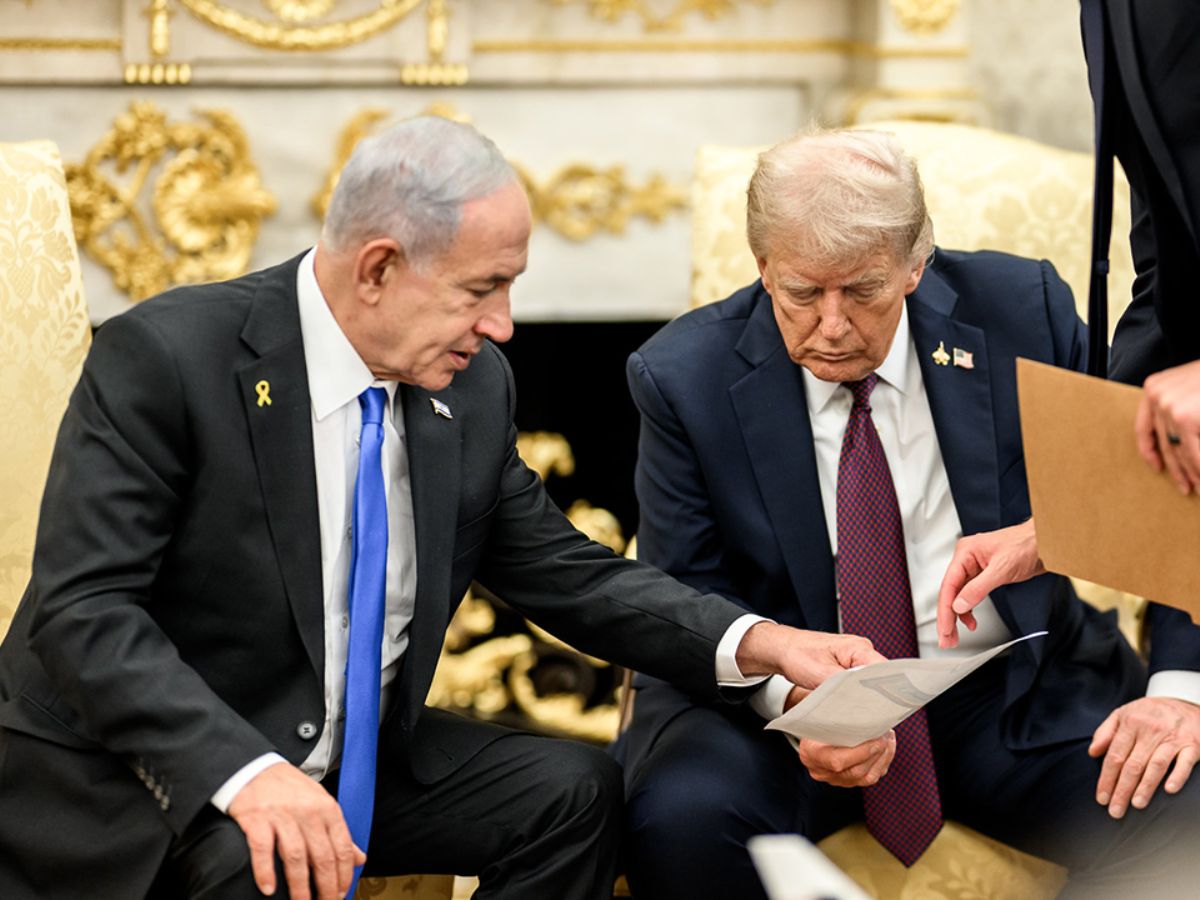
The US-proposed Board of Peace for Gaza and Israel’s objections (Image: X)
JERUSALEM, Israel, January 18 — Israel has formally objected to several of the White House’s selections for a proposed international “Board of Peace” meant to temporarily govern Gaza, calling some appointments contrary to its policy. The dispute introduces friction into a central pillar of the US-backed post-war plan for the strip.
The Israeli government stated that some appointments to the newly announced board were “not coordinated with Israel and were contrary to its policy.” Prime Minister Benjamin Netanyahu has directed his foreign minister to raise the issue with US Secretary of State Marco Rubio. The board is a key component of President Donald Trump’s proposed plan for Gaza's administration and reconstruction.
Announced by Donald Trump on Thursday, the board is intended to temporarily oversee governance and reconstruction in Gaza, replacing Hamas authority. Trump described it as the “greatest and most prestigious board ever assembled.”
The proposed structure involves two bodies:
While Israel did not specify names, the White House recently announced invitations and appointments including Turkish President Recep Tayyip Erdoğan, Egyptian President Abdel Fattah el-Sisi, former UK Prime Minister Tony Blair, and Argentine President Javier Milei. Erdoğan and Sisi have not yet confirmed their participation.
Israel has previously objected to a Turkish role in Gaza security arrangements. Blair, however, has accepted his role, calling the NCAG a “massive step forward” that offers hope to both Gazans and Israelis.
The objection comes as the US-drafted ceasefire plan enters a difficult second phase, dealing with Hamas disarmament, reconstruction, and deploying an international security force. The board is tasked with governing and rebuilding a strip where most infrastructure is destroyed, hunger is widespread, and over 71,000 Palestinians have been killed during the war.
The disagreement highlights the complex diplomacy required to establish any post-war authority for Gaza, with Israel asserting its stake in approving key international participants.
A: As part of a larger ceasefire plan, its declared objective is to temporarily replace Hamas's control in the Gaza Strip and supervise its extensive reconstruction.
A: No. The board's implementation is contingent upon Hamas's commitment to the disarmament mandated by the US ceasefire agreement.
A: To settle the dispute over board membership, Israeli officials will hold diplomatic discussions with the United States, which may result in modifications to the suggested lineup.
