The US plans to sell up to 50M barrels of seized Venezuelan oil and control the revenue, part of a three-step strategy for the country's economy and political future.
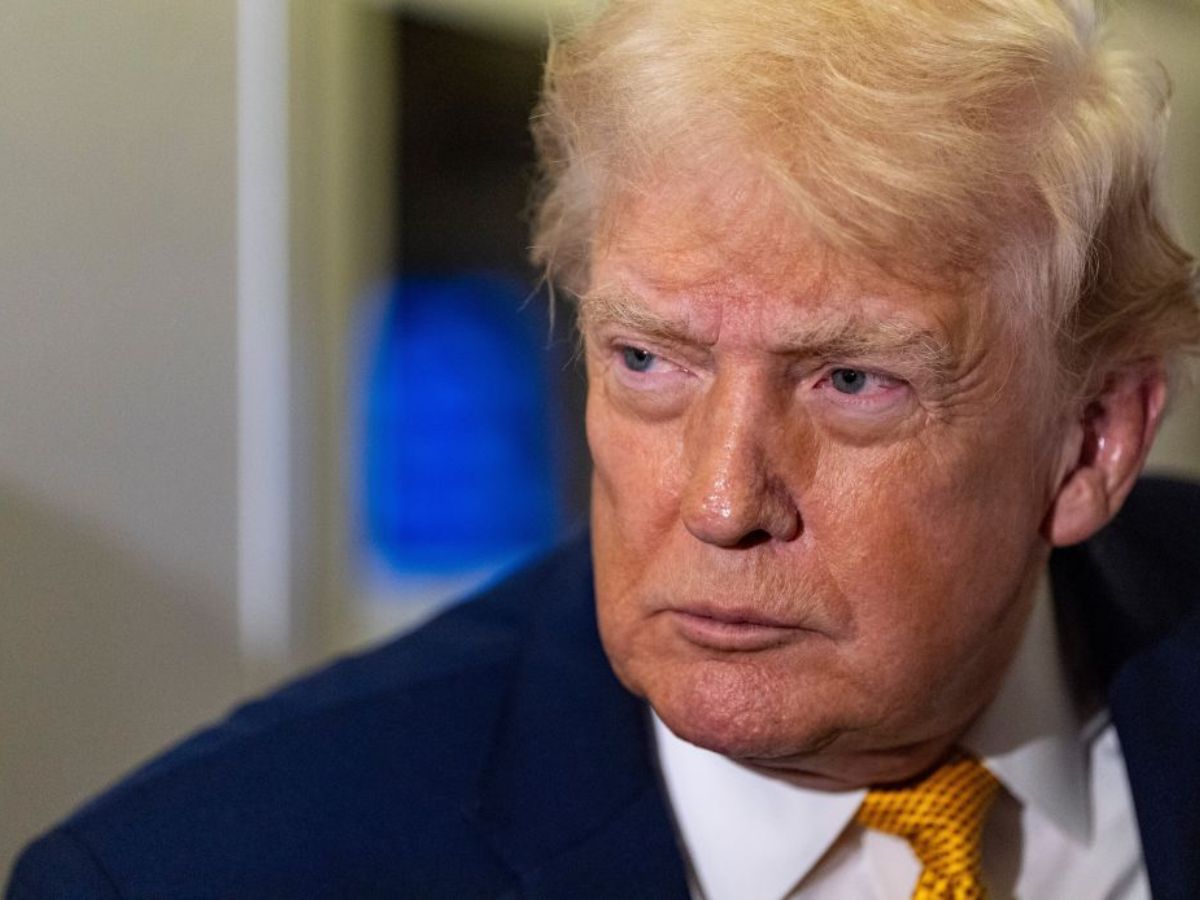
US outlines Venezuela plan: Sell seized oil, open markets and manage a political transition (Image: X)
WASHINGTON, January 8 — Following the dramatic seizure of two sanctioned oil tankers, the United States has laid out a detailed plan for Venezuela's immediate future. Secretary of State Marco Rubio outlined a three-step strategy that includes selling up to 50 million barrels of seized Venezuelan oil, with the U.S. controlling the proceeds.
In a press briefing, Secretary Rubio detailed the administration's approach, insisting they were "not just winging it." The plan consists of:
Economic Stabilization: Seizing and selling 30 to 50 million barrels of Venezuelan oil, with the United States—not interim Venezuelan leadership—deciding how the resulting $1.8 to $3 billion is disbursed.
Market Access: Ensuring "American, Western and other companies have access to the Venezuelan market in a way that's fair."
Political Transition: A step of "transition" that includes integrating opposition parties, though Rubio provided few specifics.
The plan was announced hours after the U.S. military seized two vessels central to the "ghost fleet" that evades sanctions. The first, the Marinera (formerly Bella 1), is a Russian-flagged tanker seized in the North Atlantic under a U.S. court warrant. The second, the stateless M Sophia, was captured in the Caribbean carrying 1.8 to 2 million barrels of Venezuelan crude. These actions directly target the shadow networks financing the former Maduro government and demonstrate enforcement power ahead of the new economic plan.
Venezuela's state oil company, PDVSA, confirmed it is negotiating a crude "sale" to the U.S. under commercial terms similar to its deal with Chevron. Politically, the situation remains tense. In Caracas, armed pro-government colectivos are reportedly interrogating citizens and searching phones for signs of support for the U.S. Meanwhile, President Trump stated on social media that Venezuela will commit to purchasing "American Made Products" like agriculture, medicine, and energy equipment with revenue from a new oil deal, positioning the U.S. as its "principal partner." Venezuela has not immediately confirmed this.
The tankers that were seized belong to the “ghost” or “dark fleet,” vessels used to move oil for sanctioned states.
The U.S. is now positioned to directly control a significant portion of Venezuela's oil revenue as a tool for stabilization. White House Press Secretary Karoline Leavitt clarified that the U.S. is "in close coordination with" Venezuela's interim authorities and that "their decisions are going to be dictated by the United States of America." The strategy marks a decisive shift from blockade to controlled economic engagement, with the seized tankers serving as both a warning and a funding source for the plan.
