UK High Court blocks Palestine Action terror ban, triggering nationwide debate over democracy, civil liberties, and national security measures.
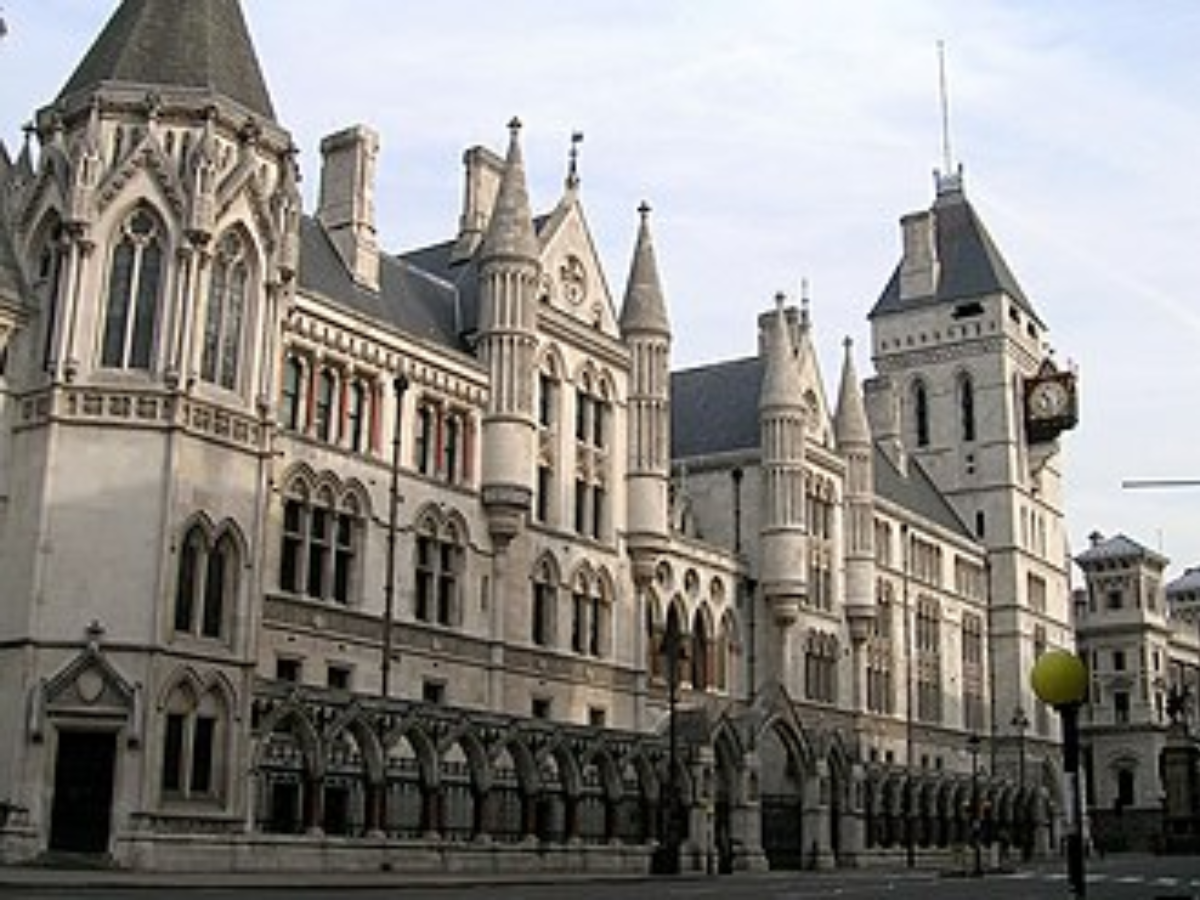
The UK High Court blocks Palestine Action terror ban, raising debate over democracy, civil liberties, and national security across Britain.
UK Court Decision Triggers National Debate: The High Court of England and Wales delivered a ruling that created a nationwide debate throughout the United Kingdom. The court determined that the government's effort to use terrorism laws against Palestine Action showed an excessive response to the situation. The court acknowledged that the group performed actions that created major security risks, but it determined that terrorism classification requirements had not yet been reached. The UK government has announced plans to appeal the decision.
Critics argue that overturning a government ban weakens the authority of elected representatives. The security-related decisions should be decided by Parliament according to its view, while judges should remain outside those discussions. The ruling creates an incorrect impression,s which might strengthen extremist backers, according to them. Some commentators regarded the event as a democratic loss, which benefited terrorist supporters according to their description.
People view the ruling in opposing ways. Legal experts and civil rights advocates argue that courts exist to ensure government actions follow the law. The judgment protects civil liberties and stops terrorism laws from being misused, according to their statement, which protects democratic values.
The case highlights a broader issue as democracies must establish security measures while protecting individual rights. National security laws and press freedom discussions currently take place in different countries around the world, including the ongoing national security law debates and press freedom issues that exist in Hong Kong.
With the government appealing the decision, the outcome could reshape how terrorism laws are applied in the UK. The case remains a key test of the balance between democratic authority and judicial oversight.
