US plans to control Venezuelan oil sales and selling at market rates with revenues aimed to stabilize the economy and aid Venezuelan citizens.
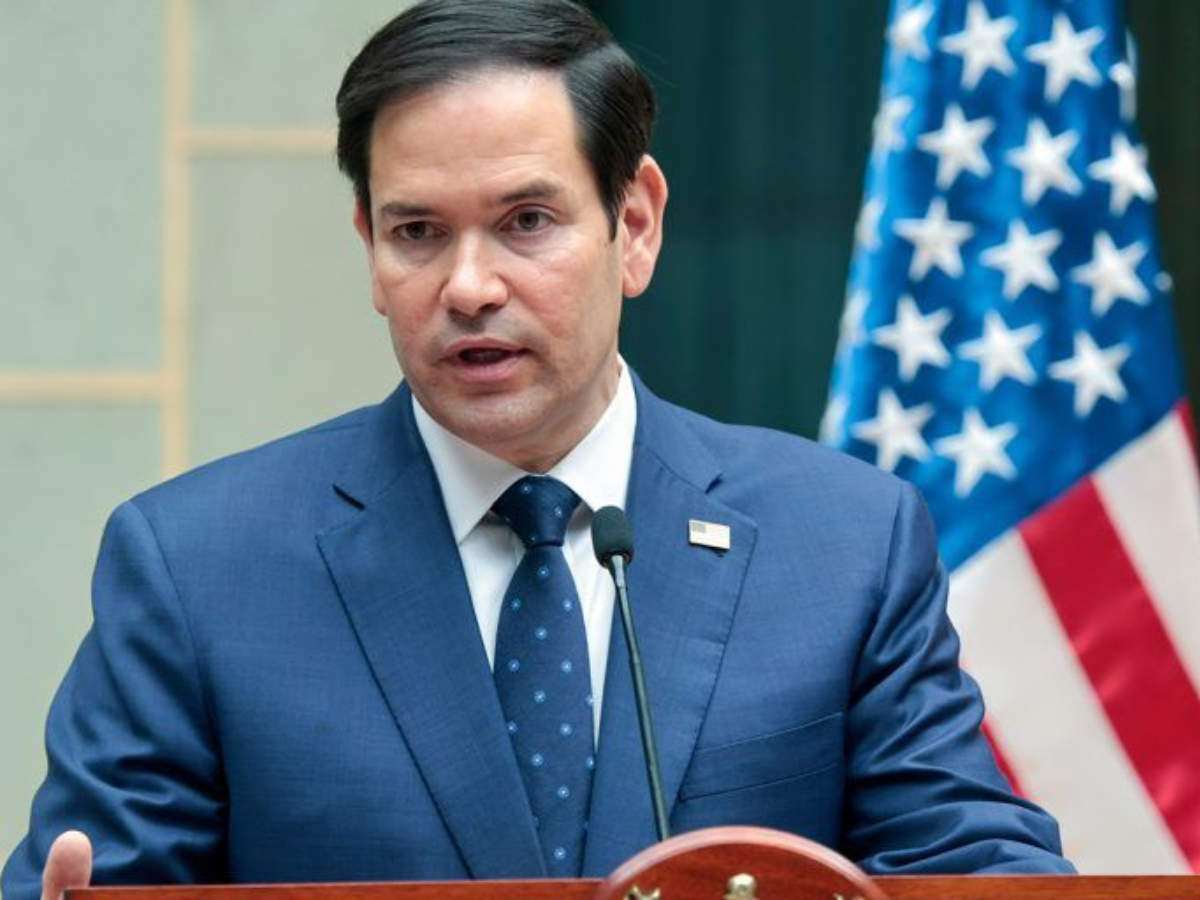
US officials announce control over Venezuelan oil, signaling strategic leverage and long-term market oversight.
Venezuelan Oil: The United States has signaled a major step in its dealings with Venezuela, through the announcement of plans to seize its stranded oil and sell it at international market prices. According to US officials, this approach will help stabilize the economy of Venezuela while preventing funds from slipping into corrupt hands.
Senator Marco Rubio emphasized that Washington holds tremendous control and leverage over Caracas's interim government now. Speaking on Capitol Hill, he clarified that this leverage keeps any oil sales or revenue united with the US to make sure they benefit the people of Venezuela and not the old regime in any way. To Rubio, the interim leaders understand the way to prevent economic collapse lies in their cooperation with the US.
Rubio said the US is ready to carry out a deal to take all the oil that is stuck in Venezuela and sell it at international markets at standard rates. The money would be handled prudently in order to help Venezuelans and avoid corruption. He added that the interim leaders themselves asked that seized cargoes of oil be included in this deal, indicating openness to cooperation.
Venezuela's interim government has told the United States that it is eager to include the Venezuelan oil shipments that have been seized by the U.S. in the current dialogue, marking the Venezuelan government's commitment to collaborate with the United States in order to get their economy from the brink of collapse. United States Secretary of State Marco Rubio stated that the Venezuelan interim government recognizes that there are no alternative solutions to collaborating with the United States in order to get their oil flowing and generate revenue. They have asked that their seized or detained oil be included in their oil sale arrangement managed by the United States.
Long-term oversight of Venezuelan oil marketing has been stressed by officials including Energy Secretary Chris Wright. The plan involves direct sales of Venezuelan crude into global markets and managing profits to advance strategic and humanitarian objectives. Wright framed this as an indefinite commitment, highlighting Washington's control over revenue flows.
Rubio described a three-phase future for Venezuela stabilization, recovery and transition long on continued U.S. engagement with regards to oil exports, among other things, but the ultimate transformation of the country is up to Venezuelans. Defense officials confirmed that the operation demonstrated strategic success and sent a broader global message regarding US capability.
Marco Rubio’s next move would involve a talk next week about Greenland concerns with Danish representatives, where he made it a point that he did not plan on entering any kind of military action. Speaking on Venezuela, Rubio considered that there were three steps that needed to take place stabilize, then assist finally a political change.
