US Customs will halt collection of Trump‑era tariffs ruled illegal by the Supreme Court from February 24; import duties on major partners including India and China impacted.
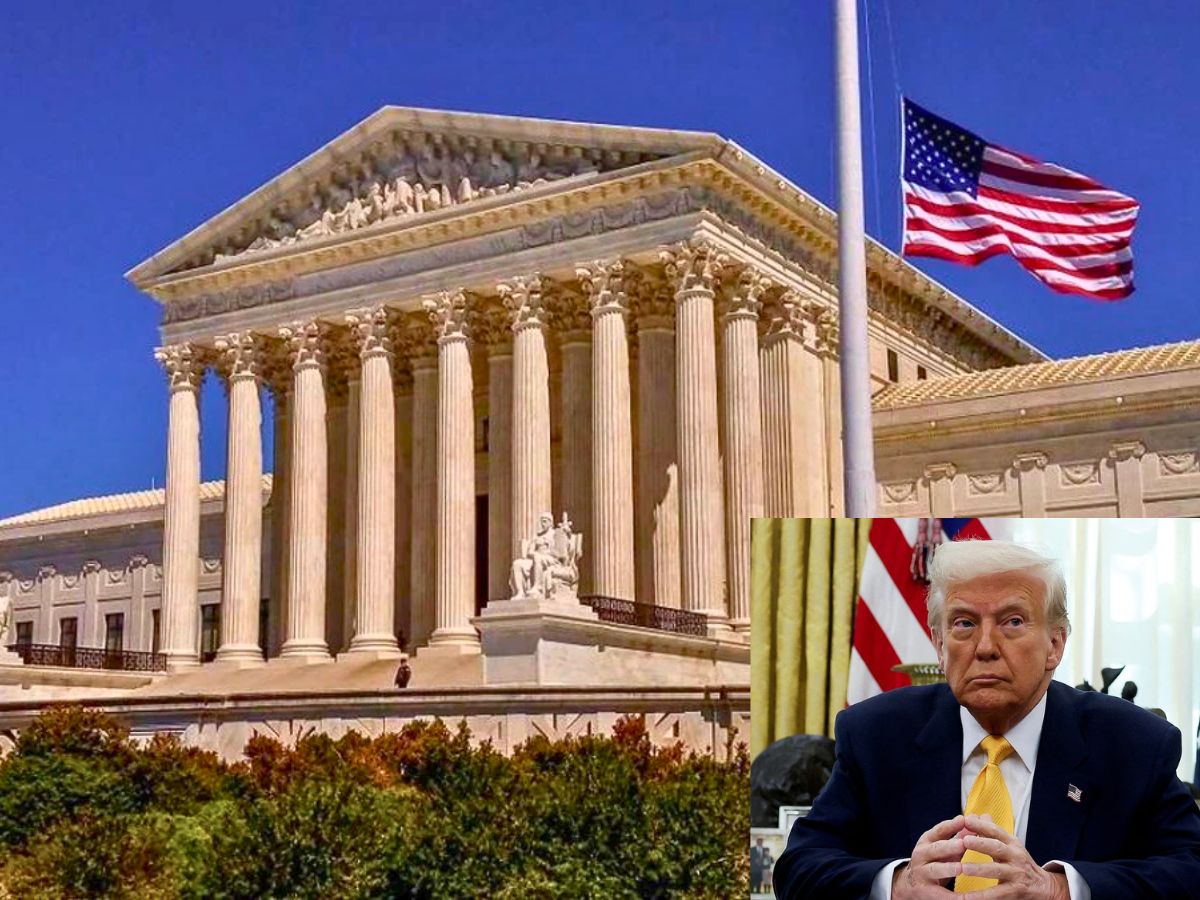
US Customs will halt collection of Trump‑era tariffs ruled illegal by the SC [Photo: X]
In a major shift for global trade policy, the US Customs and Border Protection (CBP) confirmed it will stop collecting tariffs that the Supreme Court ruled illegal, effective 12:01 a.m. EST on February 24, 2026.
This action ends a period in which importers were still paying duties on shipments, even after the high court struck down the Trump administration’s authority to impose those tariffs under the International Emergency Economic Powers Act (IEEPA).
The Supreme Court’s 6‑3 decision found that the president exceeded his constitutional power by using IEEPA, a law intended for national emergencies, to impose broad tariffs on imported goods. The justices ruled that only Congress has the power to levy taxes and duties, not the executive branch through emergency powers.
This means all tariffs tied to Trump orders under IEEPA, including retaliatory levies on countries like India, China, Brazil and Russia, will no longer be enforced or collected after the February 24 deadline.
CBP specified that duties imposed under several presidential orders will no longer be in effect, including those aimed at addressing cross‑border drugs, trade deficits, synthetic opioid supply chains and energy imports. These include:
These tariff codes will be deactivated in the CBP system starting Feb 24.
Despite the Supreme Court's decision last Friday, importers continued to pay tariffs because CBP systems had not yet been updated. That changes from Tuesday, when the official halt goes into effect.
However, refunds for tariffs paid before Feb 24 are now emerging as a major legal issue. Traders, industry groups, and legal experts are already seeking clarification on how and when refunds will be issued, as well as the process by which importers can claim them through CBP protests or court challenges.
Companies in the US have called for a “seamless process” to return these duties and support business recovery once tariffs are formally stopped.
Immediately after the court ruling, the White House introduced a fresh tariff plan under a different statute, the 1974 Trade Act, allowing temporary global tariffs outside of emergency powers. This means CBP will still collect some duties under a new legal framework, even as the old ones are shelved.
India has delayed a high‑level trade delegation to Washington amid the legal uncertainty, as the Supreme Court decision disrupted interim trade deal discussions — particularly around reduced reciprocal tariffs for Indian exports.
EU officials have urged Washington to honour existing trade agreements and provide clarity, warning that unpredictable tariff policies risk destabilising economic ties.
China’s Commerce Ministry is reviewing the tariff ruling’s impact, emphasising that unilateral levies are damaging to global commerce and highlighting the need for stability in trade relations.
With the court’s decision limiting unilateral executive tariff powers, Congress and trade negotiators are now thrust into the spotlight. Future US tariff policy will likely depend on new legislation or negotiated trade terms.
Meanwhile, the administration’s use of alternative authorities, such as Section 301 or Section 232, signals that continued tariff tools may be employed differently. For traders, importers and global markets, the end of IEEPA tariffs may bring relief, but also new complexity as refunds, legal actions and future tariff structures take shape.
