US forces ready to strike Iran this weekend as Trump weighs authorization amid nuclear talks in Geneva and historic military buildup in the Middle East.
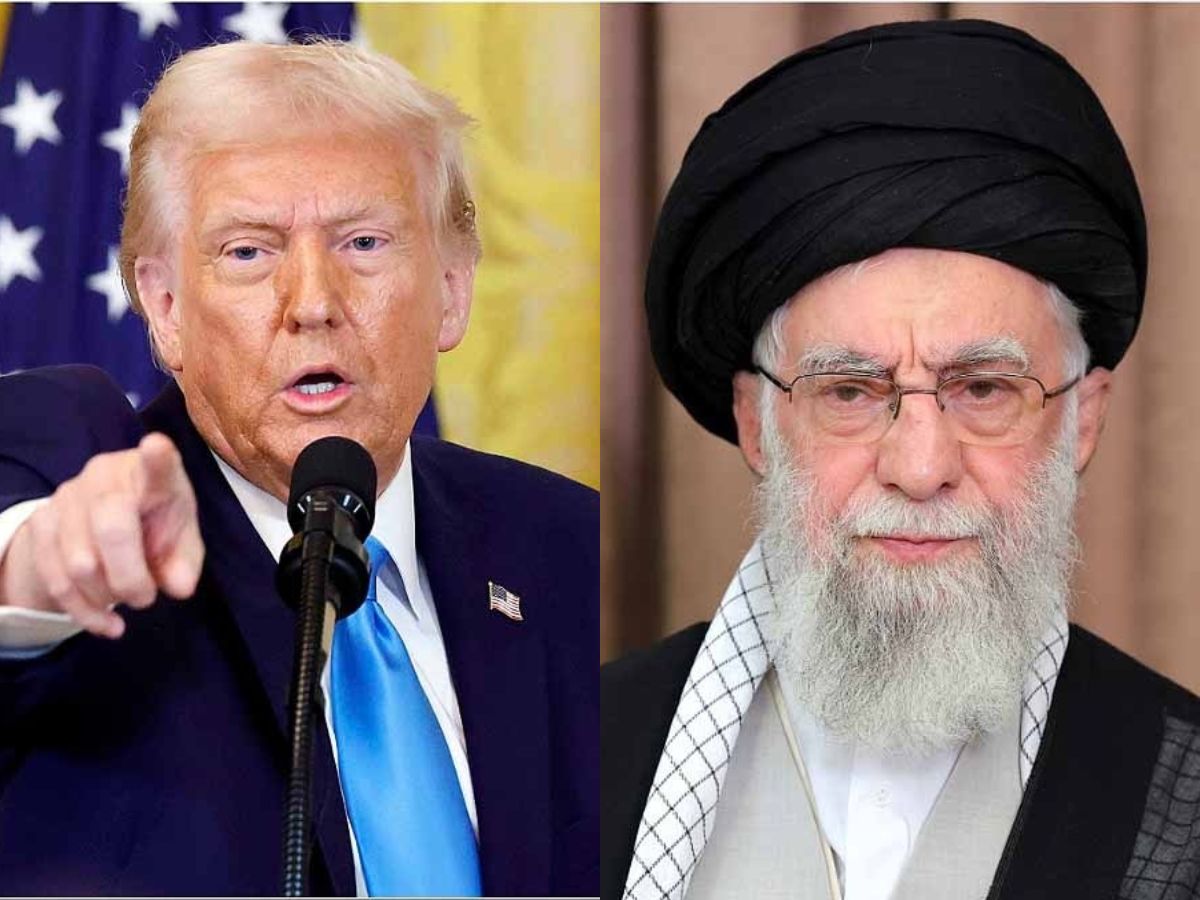
US forces ready to strike Iran this weekend as Trump weighs authorization amid nuclear talks in Geneva [Photo: X]
The United States now faces a critical choice between war and diplomacy with Iran as military forces build up rapidly in the Middle East and nuclear negotiations continue in Geneva. US military commanders have informed the White House that forces in the region are positioned within a potential strike window as early as this weekend.
Still, President Donald Trump has not yet authorised any attack. Trump is consulting advisers, weighing the risks of a strike versus the chances of reaching a diplomatic deal with Tehran. Meanwhile, both sides are preparing and warning that any misstep could trigger a wider regional conflict.
Global powers have also urged restraint as tensions rise. Several countries have emphasised that diplomacy must remain the primary path forward, warning that military escalation could destabilise the broader Middle East.
The United States military is positioned to launch strikes on Iran by this weekend if given orders, multiple US media outlets reported based on senior official sources. However, President Donald Trump has not yet made a final decision on authorising any attack.
Top national security advisers have told Mr Trump that US forces, including air and naval units, are ready to act by Saturday. But officials also warned that the timeline for any action could shift beyond the weekend as the White House evaluates risks and strategic consequences.
The US has mounted one of the largest military buildups in the Middle East in decades. Satellite tracking and open-source reports indicate:
Two aircraft carrier strike groups, the USS Abraham Lincoln and the USS Gerald R. Ford, are already deployed or en route. More than 50 fighter jets, including stealth F-35s and F-22s, are arriving at regional bases. Refuelling aircraft, tankers, and warning systems are in place to sustain long-range operations.
Experts describe the deployment as the largest US air buildup in the region since the Iraq invasion in 2003, signalling readiness for both a limited or extended military campaign.
At the same time, diplomats from the US and Iran have been in indirect nuclear talks in Geneva. Iranian officials have described some progress on guiding principles, but both sides remain very far apart on key issues.
White House Press Secretary Karoline Leavitt stressed that diplomacy is still a priority, telling reporters, “Iran would be very wise to make a deal.” Global leaders continue to encourage dialogue, viewing the Geneva channel as the most viable way to prevent further escalation.
Experts and officials point to several reasons Washington might decide to act militarily:
Ongoing deadlock in Iran’s nuclear programme negotiations. A desire to project strength and deter further escalation in the region. Trump’s previous threats were tied to Iran’s domestic crackdown on protests last year.
But the White House also recognises the pitfalls of immediate action. The cost of a full-scale conflict and the possibility of regional escalation weigh heavily in decision-making circles.
Tehran is not sitting idle. Iran’s military has conducted drills, including naval exercises in the Strait of Hormuz, a crucial global shipping route, and repeatedly warned it would respond forcefully to any US attack.
Experts note Iran could retaliate against US forces and disrupt oil traffic, with potential global impacts on energy markets and regional stability.
Inside the White House, Trump is said to be weighing both military and diplomatic routes. Officials and allies continue to be consulted as the situation evolves. Some Pentagon personnel are being temporarily moved out of the region in anticipation of possible Iranian counterattacks if conflict erupts.
Despite clear military readiness, no formal order for strikes has been issued. All signs show the administration is balancing a tightrope between force and diplomacy — seeking to pressure Tehran without immediately triggering war.
