PM Modi agrees to stop buying Russian oil, securing a US trade deal that cuts tariffs on Indian goods from 50% to 18%. Details on the $500B purchase pledge & market impact.
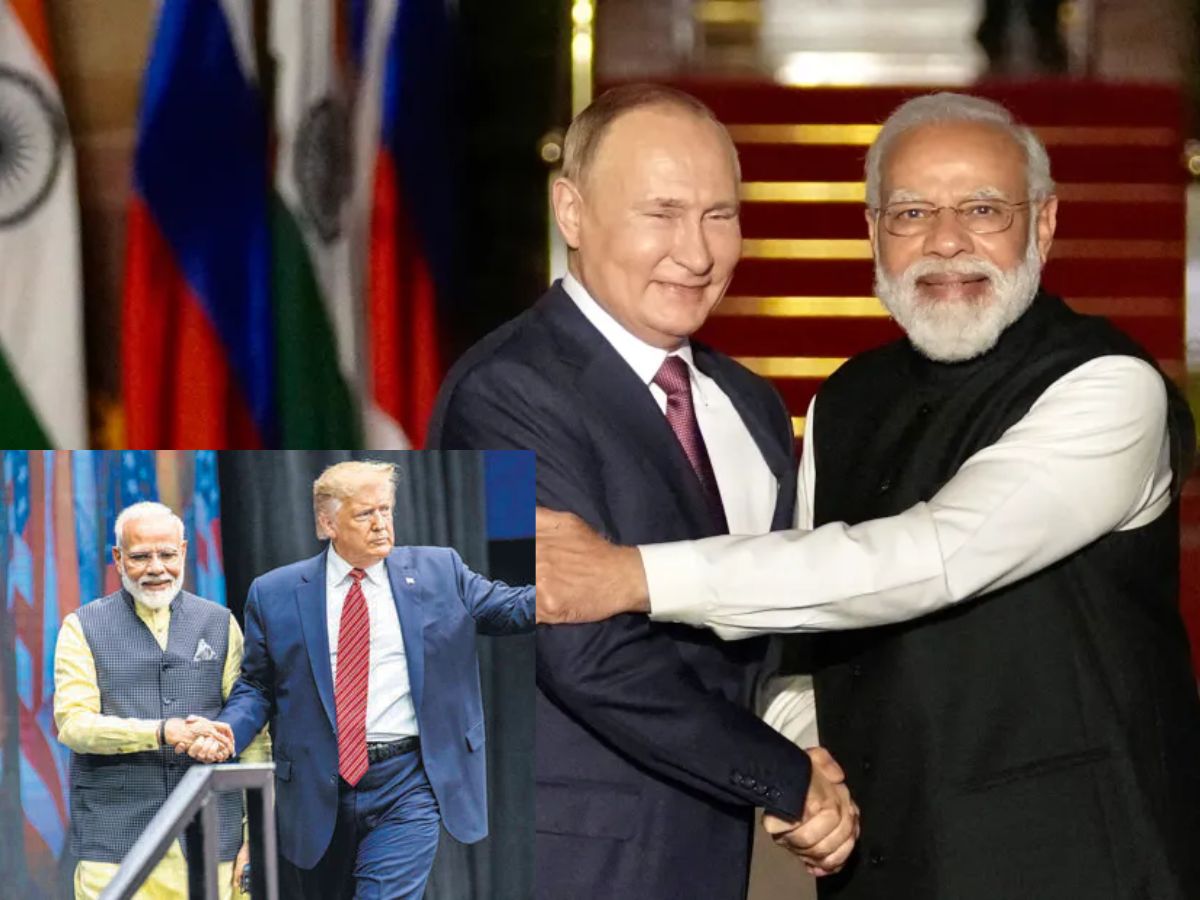
India Balances 'Special Partnership' with Russia Against New $500B US Trade Deal (Image: File)
According to reports, President Donald Trump claims that Prime Minister Narendra Modi has decided to stop importing Russian crude oil, securing a vital US trade pact lowering harsh tariffs on Indian exports. The accord, announced by both leaders today, ends a months-long trade battle and pledges India to purchasing over $500 billion in American energy and other products.
Prime Minister Modi’s decision could be a direct strategic trade-off to resolve severe economic pressure as per Bloomberg's report. The U.S. had imposed a 50% total tariff on many Indian goods—a 25% “reciprocal” levy plus a separate 25% penalty for buying Russian oil. This high rate impacted nearly 55% of India’s exports to its largest market, the U.S., battering key industries like textiles, leather, and machinery and threatening India's manufacturing ambitions. The deal provides immediate relief by cutting the total tariff to 18%.
India secures three major benefits from the agreement announced on February 2:
Immediate Tariff Reduction: The overall levy on many Indian goods falls from 50% to 18%, effective immediately.
Energy Security Assurances: The U.S. has signaled India can resume oil purchases from Venezuela under a Washington-managed system and significantly increase imports from the United States.
Economic Stability: Indian financial markets reacted quickly upon the news, with one fund manager describing it as the elimination of a "hanging sword" over the country.
The shift is focused on energy trade, while other strategic ties with Moscow are maintained. India has been Russia's largest buyer of seaborne crude since the Ukraine war began, but shipments recently fell to a three-year low of 1.2 million barrels per day. Despite the oil pivot, Russia remains India's largest provider of military hardware. Both nations continue to describe their relationship as a "Special and Privileged Strategic Partnership" and collaborate within BRICS and the Shanghai Cooperation Organization.
Yes, but the statements from each leader differ in focus. U.S. President Donald Trump's detailed Truth Social announcement explicitly stated Modi "agreed to stop buying Russian Oil." Prime Minister Modi's confirming post on X (formerly Twitter) did not mention Russian oil but thanked Trump for the tariff reduction. Modi wrote, "Made in India products will now have a reduced tariff of 18%," and expressed support for Trump's "efforts for global peace," indirectly aligning with the deal's stated goal of helping end the Ukraine war.
A: The Indian financial markets reacted rapidly to the news, with one fund manager describing it as the removal of a "hanging sword" over the country.
A: President Trump's statement specifically states that Modi agreed to cease. Modi's statement acknowledged the tariff decrease and the agreement, but did not explicitly reiterate the oil guarantee.
A: The deal is specifically about energy purchases. Defense ties, with Russia as India's largest arms supplier, are described by both nations as continuing under their strategic partnership.
A: The United States is India's biggest export market. The 50% tax threatened critical industries and India's objective of becoming a manufacturing powerhouse, hence its elimination was a high economic priority.
Disclaimer: This information is based on inputs from news agency reports. TSG does not independently confirm the information provided by the relevant sources.
