US military prepares for possible weeks-long operations against Iran while negotiators meet in Geneva and Trump weighs regime change amid rising tensions.
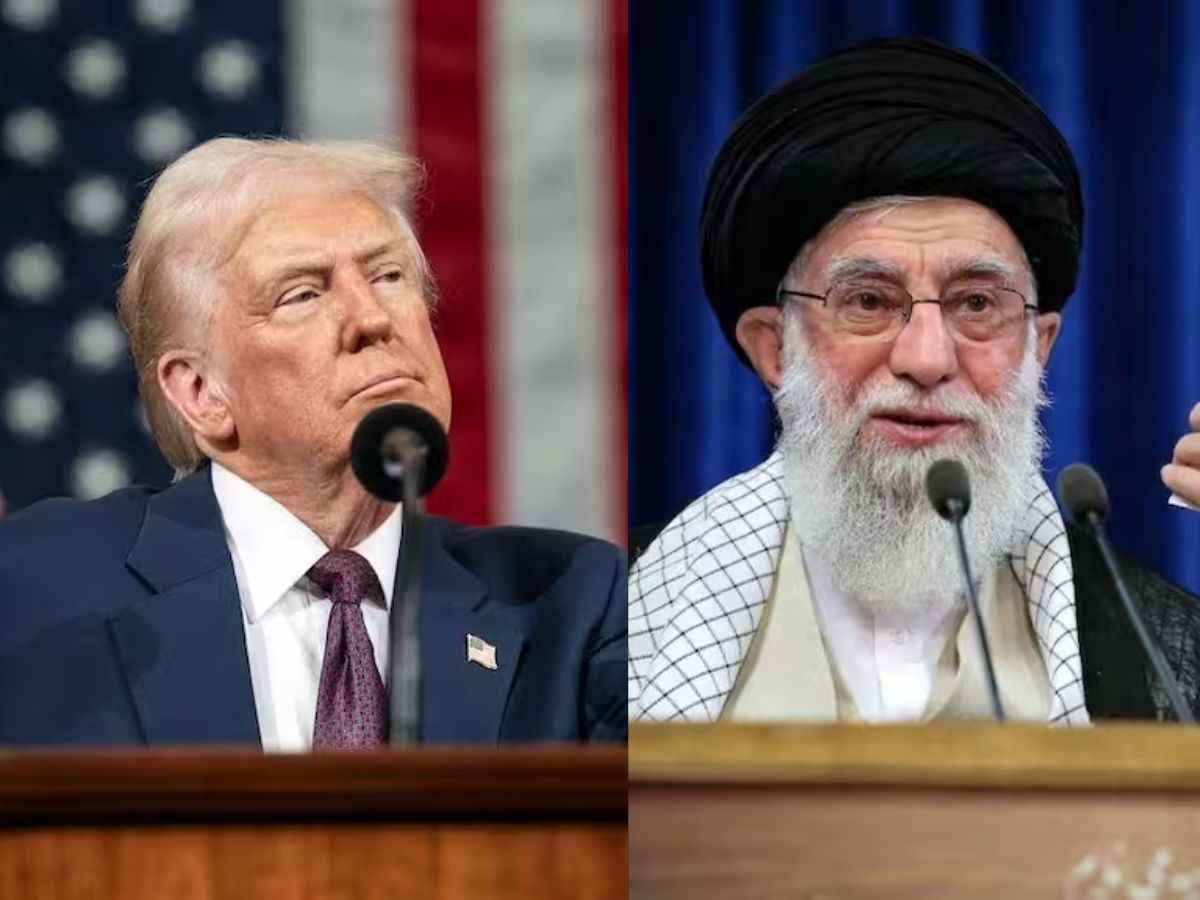
US military prepares for possible weeks-long operations against Iran [Photo: X]
The United States is preparing for the possibility of sustained, weeks-long military operations against Iran if President Donald Trump orders an attack, according to senior US officials. The planning reflects deep concern in Washington about Tehran’s nuclear program and regional influence, and comes as diplomats from both countries prepare to meet in Geneva for high-stakes negotiations.
American military officials told reporters that the Pentagon is readying forces capable of not just a quick strike but a prolonged campaign targeting a range of Iranian sites, including state and security facilities, if a diplomatic solution fails. Planning for such a campaign signals a potentially serious escalation of tensions that have simmered for decades.
The potential for military action comes as US envoys Steve Witkoff and Jared Kushner prepare to meet Iranian representatives in Geneva, with Oman serving as mediator, later this week. Switzerland’s foreign ministry confirmed that Geneva will host the indirect talks between Washington and Tehran, aimed at curbing Iran’s nuclear ambitions.
Trump and his advisors have acknowledged the difficulty of reaching a deal. US Secretary of State Marco Rubio noted that negotiating an agreement with Iran is “very hard to do,” highlighting the diplomatic challenges even as military options remain on the table.
President Trump has openly suggested that a change of government in Iran could be “the best thing that could happen”, underscoring his frustration with what he sees as decades of failed negotiations. Trump mentioned this sentiment in public remarks, framing it as a possible outcome if diplomatic efforts flounder.
While he did not specify potential successors to Iran’s current leadership, Trump reinforced that military options remain available should diplomacy falter. A White House spokesperson reiterated that “President Trump has all options on the table about Iran,” leaving open the possibility of military escalation.
In recent weeks, the Pentagon has sent a second US aircraft carrier to the Middle East as part of a larger military buildup, joining the USS Abraham Lincoln already deployed in the region. The expansion includes thousands of additional troops, fighter aircraft and guided-missile destroyers, hardware capable of supporting a sustained military campaign.
American military planners stressed that these deployments are intended not only to demonstrate force but also to prepare for potential operations that go beyond limited strikes on nuclear facilities. Such broader targeting could include Iran’s broader state and security infrastructure if ordered by the president.
Experts warn that a prolonged military campaign against Iran carries significant risks. Iran boasts a sophisticated missile arsenal and could respond with retaliatory strikes against US forces or regional allies, potentially triggering a cycle of reprisals.
Iran’s Revolutionary Guard has already warned that any attacks on Iranian territory would prompt retaliation against US bases across the Middle East, including in countries such as Qatar, Saudi Arabia, Kuwait and Turkey. This dynamic raises concerns of a broader regional conflict that could draw in other actors.
Globally, US actions have prompted varied reactions. Some allies express worry about escalation, urging renewal of diplomatic channels. Others support firm pressure on Tehran, emphasizing the need to curb Iran’s nuclear and missile programs. Meanwhile, Iranian authorities assert their right to defend their territory, rejecting what they see as coercive tactics.
In the US, lawmakers and analysts continue to debate the merits of diplomacy versus force. Some advocate for continued negotiations, while others argue that military pressure is necessary to achieve meaningful concessions from Tehran.
The next round of diplomatic talks in Geneva will be watched closely. If negotiations fail, officials say the groundwork is already laid for an extensive military campaign. However, both sides have stressed that diplomacy remains preferable to conflict.
In the meantime, the United States continues to maintain a substantial military presence in the Middle East, signalling that it is prepared to act if Washington believes it is necessary for national security and regional stability.
