Before US‑Israel strikes on Iran, the “Gang of Eight” — top congressional leaders — received classified briefings from the Trump administration about looming military action.
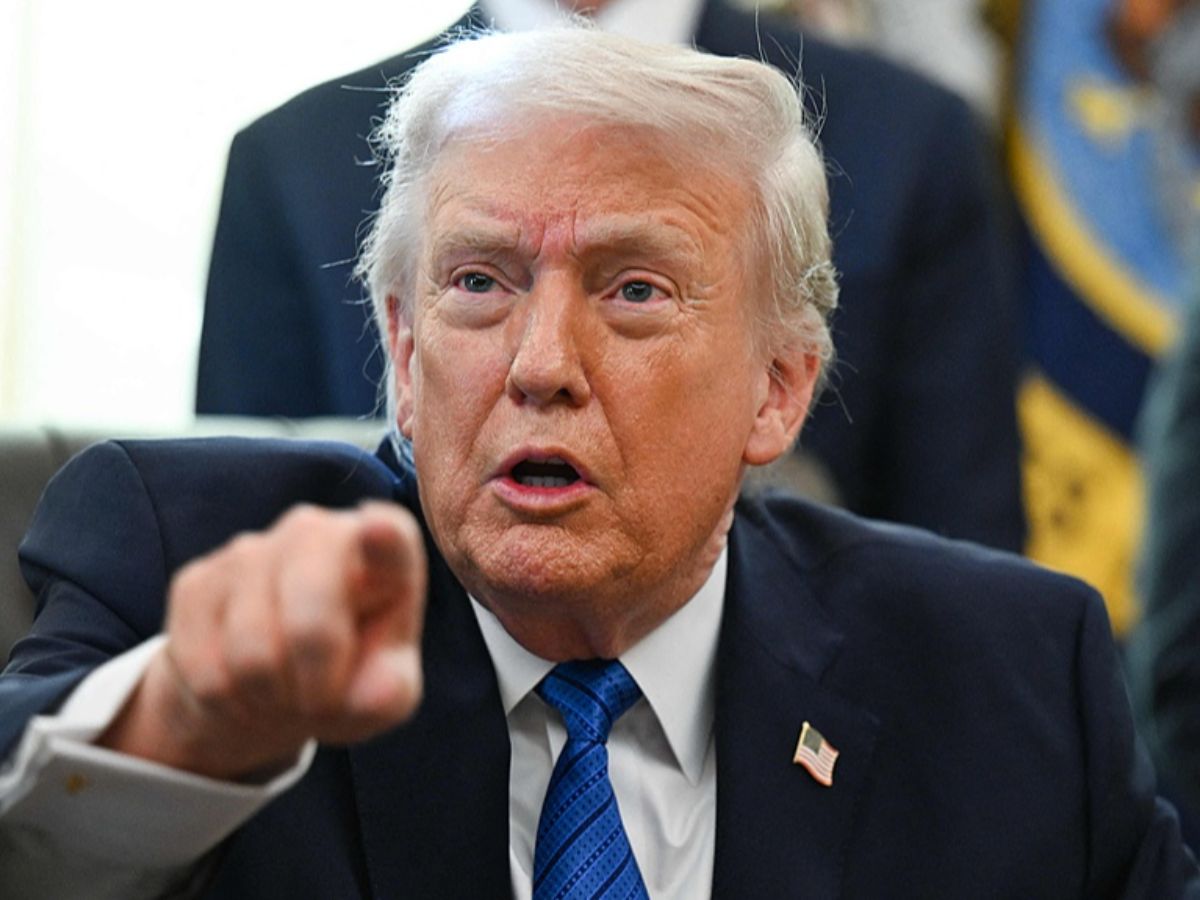
Before US‑Israel strikes on Iran, the “Gang of Eight" top congressional leaders received classified briefings [Photo: X]
In the days before the United States and Israel launched large‑scale airstrikes on Iran, a select group of top lawmakers in Washington received highly classified briefings about the possibility of military action.
This small circle of congressional leaders is known as the “Gang of Eight,” and they are among the only US lawmakers routinely informed in advance on sensitive national security matters.
The decision to brief them before the strikes underscores the seriousness of the situation and has sparked intense discussion about war powers, transparency and Congress’s role in authorizing military conflict.
The “Gang of Eight” refers to eight key US congressional leaders who receive the most sensitive intelligence briefings from the White House, especially on matters of war and national security.
This bipartisan group typically includes the top Republican and Democratic leaders of the Senate and House of Representatives, along with the chairs and ranking members of the Intelligence Committees in both chambers.
The Gang of Eight typically also includes:
According to House Speaker Mike Johnson, the Gang of Eight was briefed in detail earlier this week that military action “may become necessary to protect American troops and American citizens in Iran.”
Johnson said the briefing came from Secretary of State Marco Rubio and was followed by close communication between congressional leaders, the White House, and the Department of War as the situation evolved.
Johnson described Iran’s actions over decades, including its nuclear ambitions and support for militant groups, as threats that forced the US administration to consider military options. “Iran and its proxies have menaced America and American lives,” he wrote, emphasizing that diplomatic solutions had been pursued but were unsuccessful.
The Gang of Eight has no direct power to approve or stop military action, but they play a key role in Congress’s oversight of foreign policy and war decisions. Historically, presidents have briefed this group ahead of sensitive operations to ensure that at least a portion of Congress is aware of the classified rationale behind a major decision, especially when a full congressional vote is unlikely or impractical in the short term.
In recent days, Secretary Rubio and other administration officials made multiple rounds briefing members of the Gang of Eight, including discussions about whether the military action would be joint with Israel and how other nations might respond.
Reactions among the Gang of Eight have been mixed. Some Republican lawmakers praised the strikes and showed strong support for President Trump’s decision, asserting that Iran’s missile program, nuclear ambitions and regional activities posed a clear threat.
However, some members — including Democrats and even a few Republicans outside the party leadership — raised concerns about the legality and scope of the military action without a formal vote in Congress. A handful joined calls for greater congressional oversight and a clearer explanation of the war’s legal basis.
The briefings have highlighted a broader debate in Washington over war powers and congressional authority. Critics argue that while the White House informed the Gang of Eight, the entire Congress should have had an opportunity to vote on military action before it began. They contend that notifying only eight leaders falls short of the constitutional responsibility to involve Congress in declarations of war.
Supporters of the administration’s approach say that in fast‑moving national security situations, keeping a small circle informed allows for swift responses while still providing some level of legislative oversight. The debate could influence future decisions about how and when Congress is briefed or consulted on matters of war.
The role of the Gang of Eight has taken on heightened importance as tensions with Iran escalate into full military strikes. Briefings to this group provide insight into how the administration weighs intelligence, risks to US forces, and diplomatic considerations before taking action. Observers say these secret briefings also help lawmakers judge whether the president’s decisions align with national interests and legal frameworks.
As the conflict continues, how Congress asserts its oversight — whether through expanded briefings, formal votes, or public hearings — could shape US foreign policy and constitutional norms for years to come.
