The targeted killing of Khamenei brings out the main agenda: regime change of the Ayatollahs with their sworn anti-US and Israel policies.
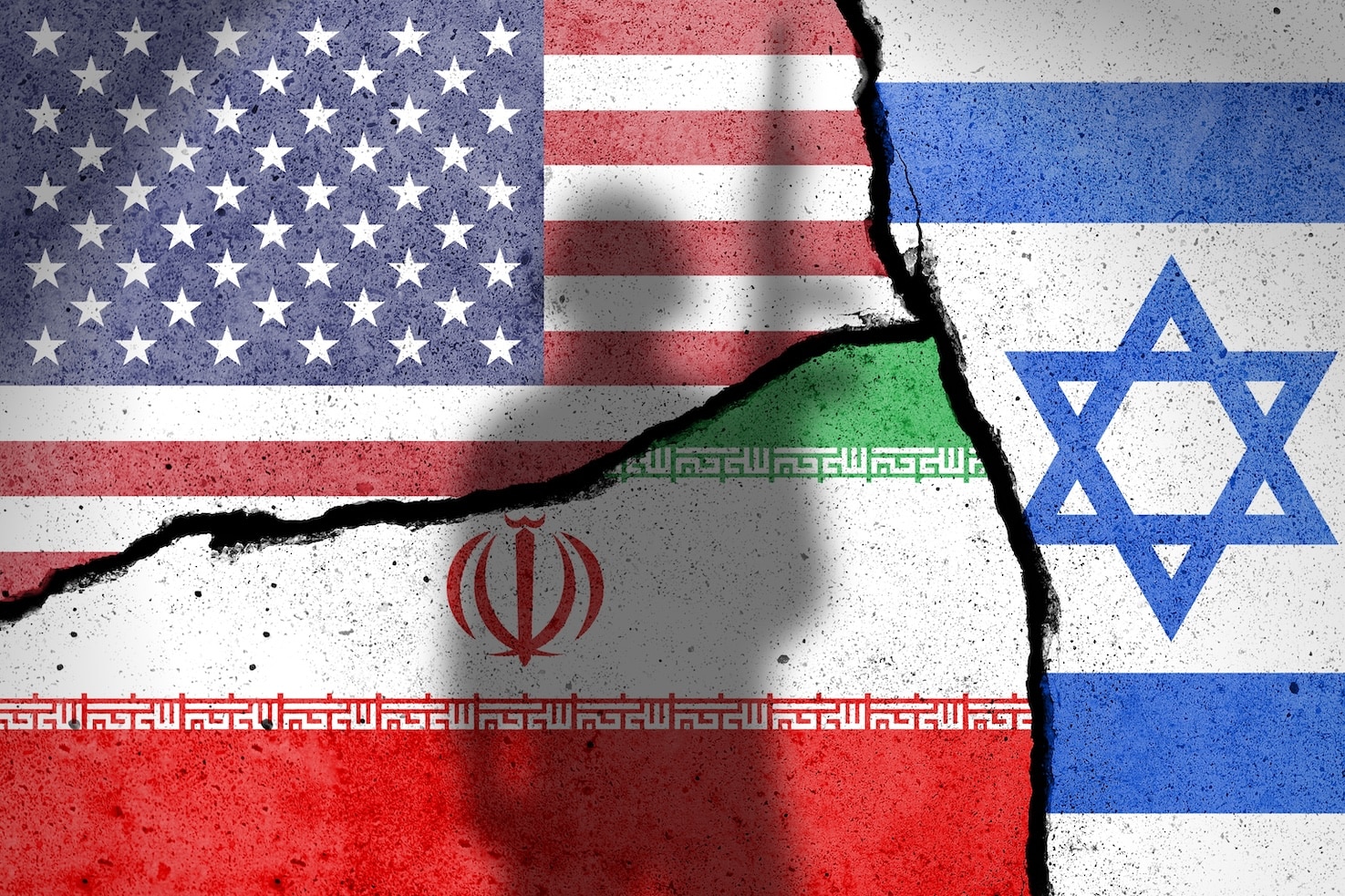
US-Israel-Iran War
PUNE: The US Department of Defence recently changed its name to "Department of War." As one wag put it, "They definitely weren’t kidding." Since then, the US has bombed Iran and Nigeria, struck Venezuela and kidnapped its President, and now launched a completely unwarranted—if expected—war on Iran.
Like the invasion of Iraq in 2003, which was based on the false premise of its possession of weapons of mass destruction—this action too is unfounded. The ostensible aim was to prevent Iran from obtaining nuclear weapons. But then, Iran had agreed to it way back in 2015 in the US-Iran Nuclear deal, which was torn up by Trump. Even in the ongoing talks at Geneva, Iran had agreed to stop production of fissile material, and even promised to hand over its small stock of 60% enriched uranium. Instead, the US increased its own demands insisting that it give it its missile program, curtail military capabilities and stop support to militant groups. Even as the talks were underway, the US had built up its largest naval armada in the Gulf, including the aircraft carriers USS Abraham Lincoln and USS Gerald Ford, and along with Israel was preparing for an inevitable attack on Iran.
At 9 am on 28th Feb, the USA and Israel launched a grandiosely named Operation Epic Fury, hitting Iran’s nuclear and missile facilities, IRGC bases, Air and Naval assets across the country. The first wave of attacks eliminated its entire senior leadership—including Ayatollah Khamenei; General Mohammed Pakpour, the commander of the IRGC; General Aziz Zadeh, the defence minister, the head of its National Defence Council, the director of its aerospace forces and the interior minister.
US and Israel agencies have been tracking Khamenei for months, using invisible monitoring data from CCTV cameras on roads and parking spaces, listening into conversations by infiltrating the local cellular networks and following the movements of his driver and personal staff. The attack on Khamenei was planned the previous night, but they discovered that a meeting of top officials was to take place next morning next to his residence and shifted to the morning. At 9.40 am, Sparrow missiles launched by Israeli fighters hit the compound, killing the entire senior leadership in the meeting, along with Khamenei, his daughter and son-in-law in the adjoining building.
The targeted killing of Khamenei brings out the main agenda—regime change of the Ayatollahs with their sworn anti-US and Israel policies. Iran has been systematically weakened by the elimination of each of its proxies—Hamas, the Hezbollah, the Houthis and Shia militia. The Israeli-US bombing of Iran’s nuclear facilities in June also highlighted the shortcomings of its Air Defence networks. The recent riots in Iran against rising prices, and the brutal manner in which it was put down, gave further grounds for US intervention. It was perhaps their best chance in decades and the US took it. After the strike, Trump urged the Iranian people to "Take over your government"—hoping to incite a popular uprising. But US actions may just have the opposite effect. In spite of public anger at the autocratic regime of the Ayatollahs, the Iranians have rallied against an unjustified US attack on their nation. The US hopes to bring Reza Pahlavi—the eldest son of the Shah of Iran—back in Iran. But Reza himself has no ground support and has been away for 40 years. There are no political alternatives, and regime change could be difficult to engineer without boots on ground. In fact, the next regime could be even more hardline than the previous one.
Iran has hit back violently, in spite of initial losses. Iranian drones and missiles stuck US military bases across the Middle East—Al Udeid airbase in Qatar; Al Salem in Kuwait, Al Dhafra in UAE, and even the headquarters of the US Fifth Fleet at Bahrain. They have attacked all 8 countries bordering the Persian Gulf, striking as far as Turkey, Cyprus and Azerbaijan. Missiles have also hit Israeli cities, penetrating its famed Iron Dome air defences.
The Iranian strategy is simple. They hope to extend the war and draw the neighbors into the fray. The longer the war goes on, the more difficult will it be for the USA to sustain it. Even within the USA there is lack of support for this needless war, and many of its own allies have questioned it. The disruption and economic losses are now being borne by the neighbors. Iranian cheap expendable drones and missiles have to be countered by sophisticated AD missiles, which often cost ten times as much as their targets. A longer war may not be sustainable and could force the US to declare victory and call off the action.
Iran has another trump card—its dominance over the Straits of Hormuz—the 104-mile-long corridor through which one fifth of the world’s oil transits. The targeting of tankers and disruption of this crucial shipping artery led to the price of oil rising to $75 a barrel in just a week of war. Oil could rise as high as $100 a barrel should the war go on, severely impacting world economies. Iran is also vital infrastructure—including data centers, oil refineries, desalination plants and electricity grids, to impose unacceptable costs on its neighbors. Yet, the same action is now turning its neighbors against it.
The war expanded into the Indian Ocean with the sinking of IRIS Dena, an Iranian frigate which was torpedoed by a US submarine off the coast of Sri Lanka, while returning from a visit to Vishakhapatnam. Lebanon too has seen renewed clashes between Hezbollah and Israeli forces—though most of Iran’s proxies and friends have been conspicuously silent. As the war goes on, Iran has lost most of its antiquated aircraft and naval vessels, but it still has a plentiful supply of drones and missiles which it can use to good effect. Should it succeed in imposing casualties on US forces, aircraft and ships, the pressure to stop the war will increase. This will be a test of resilience and staying power, which will continue for some time, at least.
When the war ends, Iran will be sorely degraded. Its senior leadership has been eliminated its missiles spent, the IRGC degraded and the Air Force and Navy virtually destroyed. But then what? Will there be regime change? That is still iffy. The Ayatollahs could still succeed in holding on to power. But a considerably weakened Iran could sink into instability and internal turmoil—like Iraq. Ethnic violence between Shias and Sunnis could increase, and even the Kurds and Balochs could raise their demands for their own territory. Iran could splinter and fall into disarray. That would leave Israel and Saudi Arabia as the only poles of power in the region—both staunch US allies. The diminishing of Iran will also edge out China and Russia’s influence in the Middle East, allowing USA to control the most energy rich region of the world along with Venezuela, the holder of the world’s largest oil reserves. This ensures the supremacy of the petro-dollar and allows it to manipulate the global energy supply. That in itself, is a scary prospect.
We can only hope that this needless—if inevitable war, stops soon. Trump has demanded ‘Unconditional Surrender’ which will reduce the prospects of a negotiated end. Till then, the turbulence will rock the region and the world—and the impact will be felt long after the missiles stop.
