
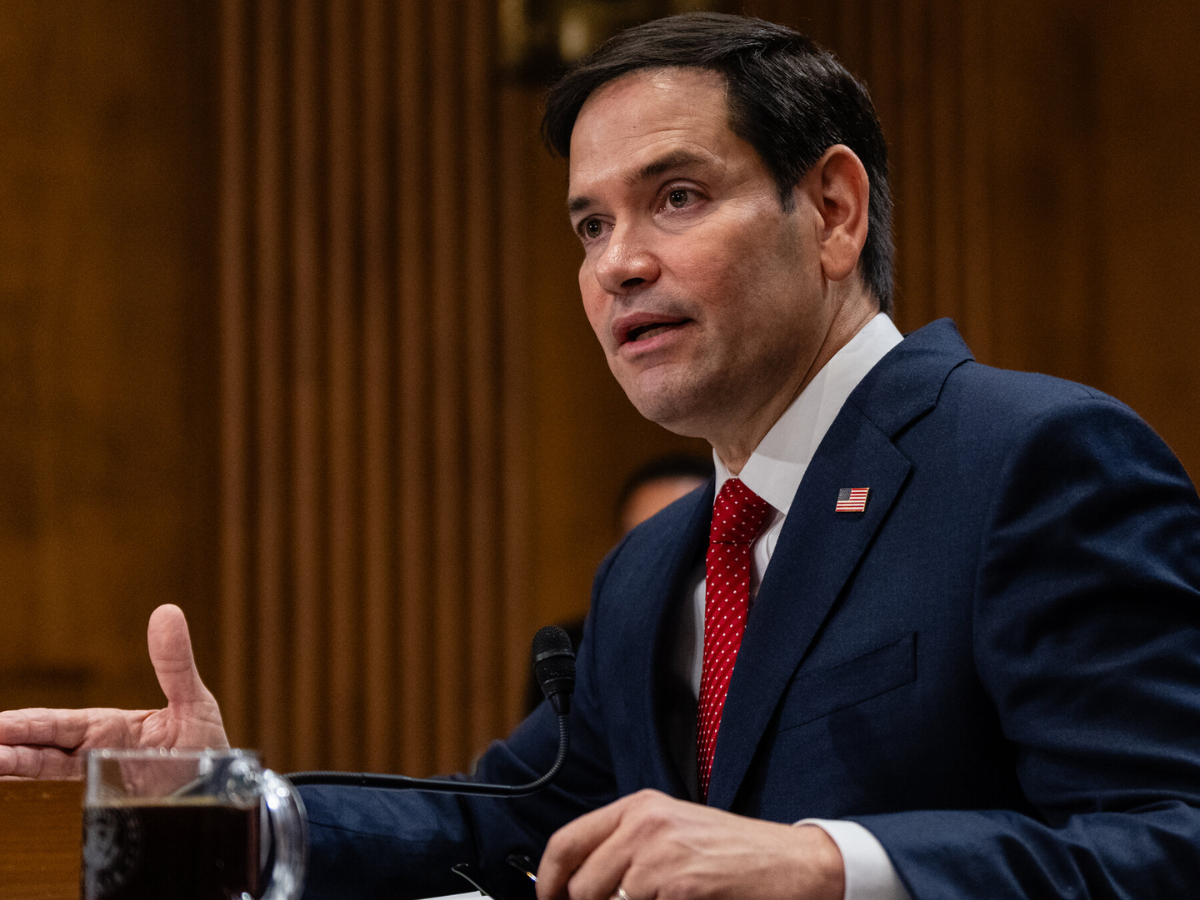
US-Israel-Iran War Latest News: US Secretary of State Marco Rubio held high-level talks in Bahrain with foreign ministers of the six-nation Gulf Cooperation Council (GCC), aiming to reassure regional allies amid growing concerns over the recently signed US–Iran understanding. The discussions focused heavily on maritime security in the Strait of Hormuz, Iran’s regional role, and the broader implications of the deal for Gulf stability.
Why Did Marco Rubio Visit Bahrain for GCC Talks?
Rubio’s visit comes at a sensitive diplomatic moment, as Gulf states express unease over the scope and limitations of the US–Iran agreement. The objective of the talks was to reaffirm Washington’s commitment to protecting the security and economic interests of its Gulf partners.
He emphasized that any decisions made during negotiations with Iran would take into account the concerns of regional allies.
What Did Marco Rubio Say About Gulf Security and Iran Deal?
Speaking after the meeting, Rubio said:
“We want to ensure that in any decisions that are made throughout this negotiating process, the interest of our partners and our allies in the region are always taken into account…”
He further added that no element of the agreement should undermine the “security, stability, and prosperity” of Gulf countries, signaling continued US strategic backing for GCC states.
Why Are GCC Countries Concerned About the US–Iran Agreement?
The six GCC nations have reportedly raised reservations over the limited scope of the US–Iran understanding signed last week. Key concerns include:
- Lack of clarity on Iran’s influence over regional maritime routes
- Conflicting claims over the Strait of Hormuz, a vital global oil passage
- Absence of specific provisions addressing Iran’s nuclear program
- No direct mention of Iran’s ballistic missile development
These gaps have raised fears among Gulf states about long-term regional security risks.
What is Significance of the Strait of Hormuz in the Conflict?
The Strait of Hormuz remains one of the world’s most critical energy chokepoints, with a significant portion of global oil exports passing through it daily. Any instability in this region has the potential to disrupt global energy markets and escalate geopolitical tensions involving Iran, the US, and Gulf nations.
How Could the US–Iran Deal Impact Regional Stability?
Analysts suggest the deal could either ease tensions or create new diplomatic friction depending on its implementation. While Washington views the agreement as a step toward de-escalation, Gulf allies appear concerned that it may not adequately address security threats posed by Iran’s military and nuclear capabilities.
What Happens Next in US–GCC–Iran Diplomacy?
Future diplomatic rounds are expected as the US continues consultations with Gulf partners. The focus is likely to remain on:
- Strengthening maritime security arrangements
- Clarifying Iran-related security guarantees
- Addressing nuclear and missile program concerns
- Maintaining energy route stability in the Gulf region
Marco Rubio’s Bahrain visit highlights the delicate balancing act Washington faces between advancing dialogue with Iran and reassuring its Gulf allies. With the Strait of Hormuz and regional security at stake, further negotiations are expected to shape the next phase of US–Middle East diplomacy.


