The US has granted India a 30-day waiver to purchase Russian oil cargoes already at sea to prevent global supply disruptions amid Middle East tensions
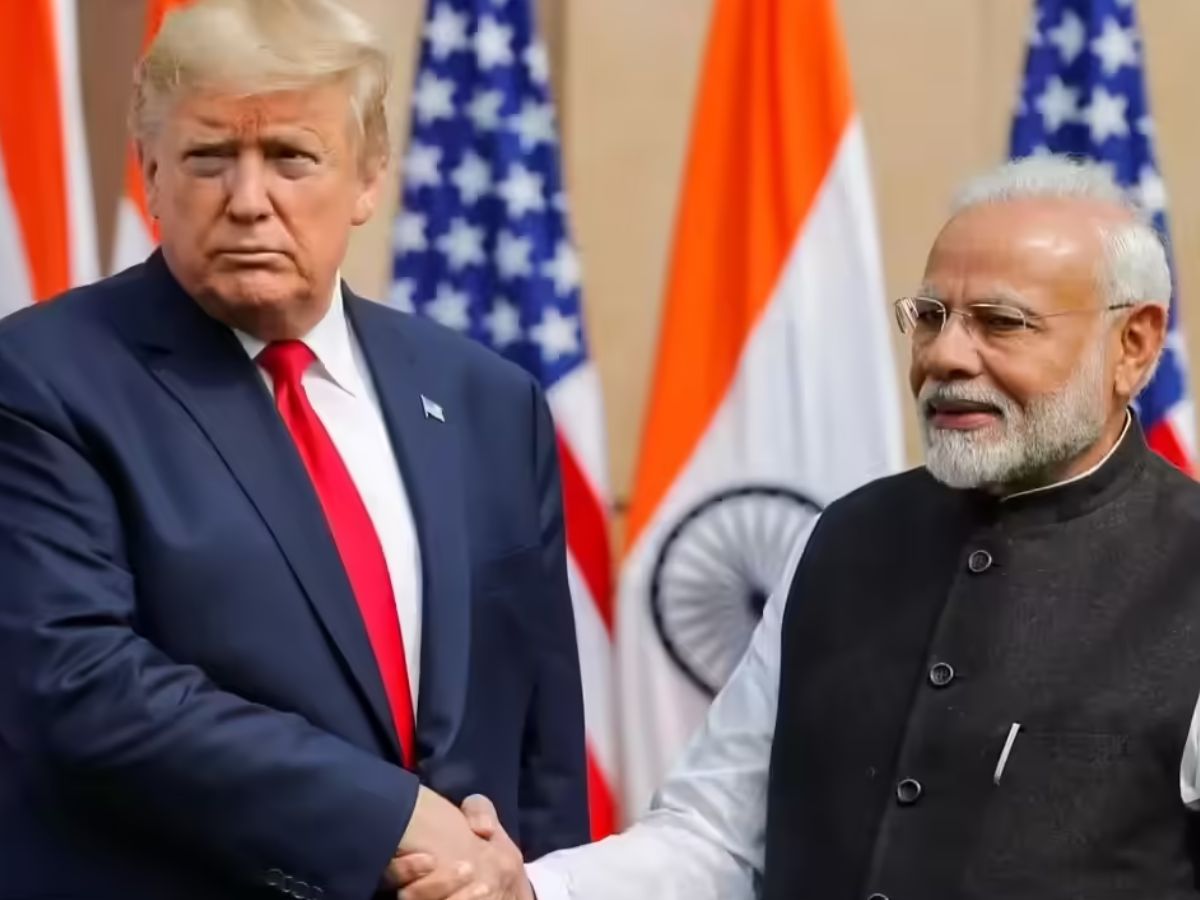
US Grants 30-Day Waiver for India to Buy Russian Oil Amid Middle East Supply Concerns (Source: X)
US Israel Iran War Latest News: The United States Treasury Department has allowed India a short window to continue buying Russian oil. The temporary decision comes as global energy markets face uncertainty due to tensions in the Middle East that could disrupt crude supply.
The US Treasury announced that it will issue a waiver that will allow Indian refiners to purchase Russian oil for the next 30 days. The waiver is set to prevent disruptions in the world oil supply chain at a time when geopolitical tensions are rising.
The US Treasury Secretary, Scott Bessent, announced the news through the popular social media platform X. “To enable oil to continue flowing into the global market, the Treasury Department is issuing a temporary 30-day waiver to allow Indian refiners to purchase Russian oil,” he announced through the platform.
The waiver will cover Russian crude oil that is either in transit or stranded at sea. According to the US Treasury Secretary, the waiver will not benefit Russia significantly because of the short period it will cover.
“This deliberately short-term measure will not provide significant financial benefit to the Russian government, as it only authorises transactions involving oil already stranded at sea,” he announced.
Bessent also stressed the importance of India as a strategic partner for Washington and suggested that India may increase energy imports from the US in the future. “India is an essential partner of the United States, and we fully anticipate that New Delhi will ramp up purchases of US oil. This stop-gap measure will alleviate pressure caused by Iran’s attempt to take global energy hostage,” Bessent added.
Waiver under the license issued by the Treasury Department would only apply to crude oil or petroleum products of Russian origin that were loaded on vessels prior to 12:01 am EST on March 5. Such oil products can be traded until 12:01 am on April 4, Eastern Daylight Time, if the oil is destined for India.
The latest development comes months after US President Donald Trump slapped a 25% tariff on Indian exports to the US. The US had slapped the penalty on India as it continued to purchase large quantities of oil from Russia despite US objections.
The US, however, revoked the penalty as both the US and India signed an interim trade deal last month. The US had claimed that India had agreed to stop oil imports from Russia as part of the trade deal. However, this claim has not been confirmed by India.
The geopolitical environment once again shifted after the involvement of Iran in the dispute with the US and Israel. Apparently, after the escalation, Iran made a threat to close the important strait of Hormuz. The strait of Hormuz is an important shipping lane. It is important because 40% of the oil imports that India receives from the Middle East region pass through the strait of Hormuz.
As the risks have increased, apparently, India began to import oil from Russia once again. According to the report published by Reuters, the Hindustan Petroleum Corporation Limited, which is the state-owned oil firm, resumed the imports of Russian oil after the suspension that lasted for three months. Apparently, the firm acquired two cargoes that are expected to arrive later this month. According to the report published by Reuters, the imports of Russian oil that India received every day decreased to 1.1 million barrels in January, which is the lowest level since November 2022.
Concerns over supply disruptions have prompted the Indian authorities to consider emergency measures. Earlier this week, discussions on possible contingency measures were held between the government authorities and the state-run oil refineries.
As reported by Bloomberg, one of the measures that the authorities had considered was the procurement of Russian oil that was floating near the shores of India. Earlier, it was reported that the country had enough oil reserves to meet its demand for 25 days. A report published by ANI, based on information provided by the government authorities, states that the government does not plan to ration petrol or diesel, as the country currently has enough fuel in its reserves to meet its demand.
The temporary waiver underscores the complex interplay between geopolitical tensions, energy security, and international trade. While the US is working to reduce Russia's earnings on oil, it is also ensuring that it does not allow global oil supplies to dwindle and, in turn, cause energy prices to rise. For India, which is one of the largest oil-importing countries in the world, the priority is to ensure steady supplies as the Middle East conflict continues to affect global oil routes.
