Iran warns it may strike US and Israeli economic and banking centres in West Asia after a Tehran bank attack. Tensions escalate as drones, missiles and shipping attacks hit the Gulf.
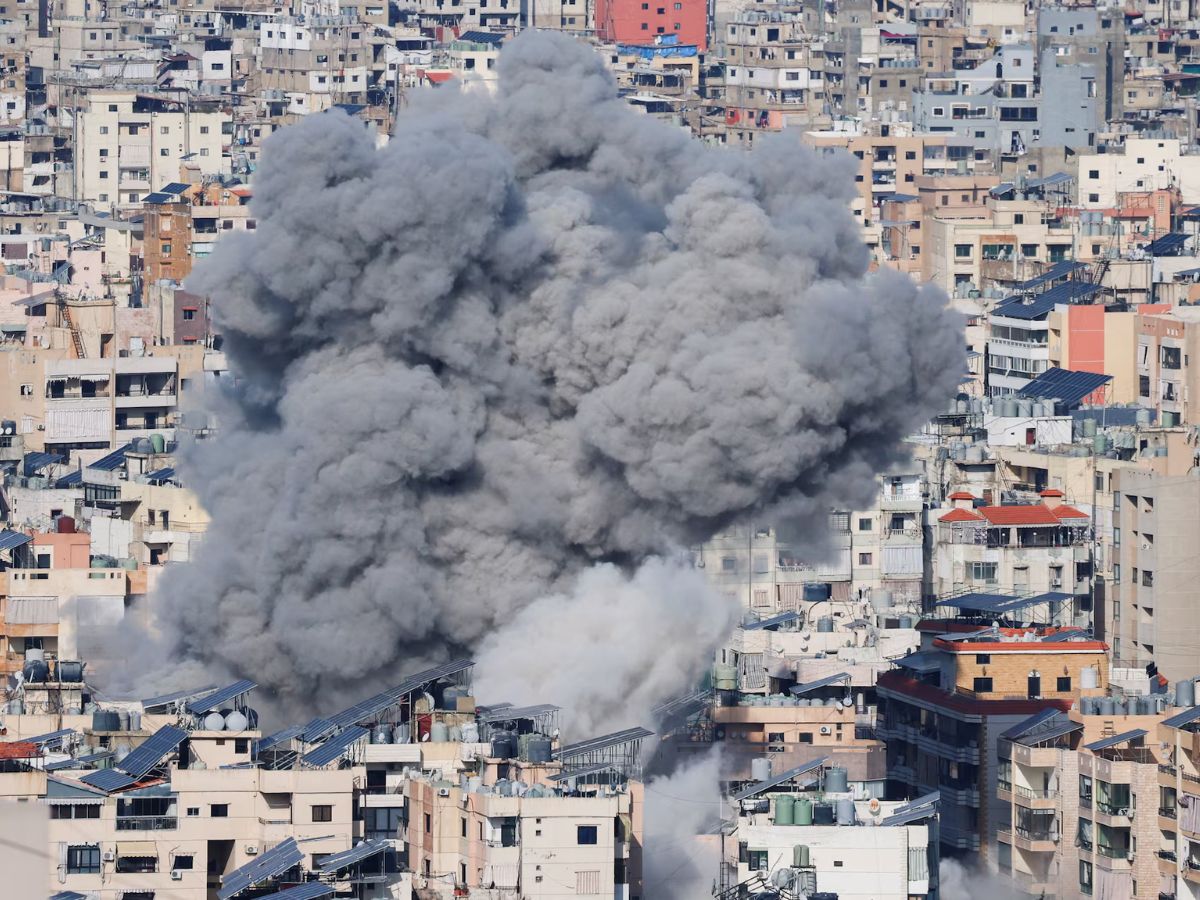
Iran warns it may strike US and Israeli economic and banking centres in West Asia [Photo: X]
Tensions in the Middle East escalated further after Iran’s military warned that economic and banking centres linked to the United States and Israel across West Asia could become targets. The warning came after Iranian authorities accused US and Israeli forces of striking a banking facility in Tehran overnight.
The announcement signals a potential shift in the conflict, expanding the battlefield from military and energy infrastructure to financial institutions across the region. Analysts say the threat could increase risks for major financial hubs such as Dubai, Bahrain and parts of Saudi Arabia, where international banks operate extensively.
Iran’s joint military command, Khatam al-Anbiya Headquarters, issued the warning following reports that an Iranian bank building in Tehran was hit during overnight airstrikes. Iranian state media reported that several employees working inside the bank were killed in the attack.
Military officials described the strike as a joint operation carried out by US and Israeli forces, though independent confirmation remains limited. Following the incident, Iran’s military command released a statement declaring that financial institutions connected to the United States and Israel could be targeted in retaliation.
“The enemy has given us free rein to target economic centres and banks belonging to the United States and the Zionist regime,” Iran military command said in a statement. The spokesperson also warned civilians across the region to stay at least 1,000 metres away from banks and financial institutions that could be considered potential targets.
Security analysts say the threat could impact several countries in the Gulf region where major financial institutions operate. Cities such as Dubai in the United Arab Emirates, along with banking centres in Saudi Arabia and Bahrain, host large numbers of international banks and financial service companies.
If Iran follows through on its warning, these locations could face increased security risks. Governments across the region have already strengthened air defence systems and heightened security around critical infrastructure.
Experts say targeting financial institutions could disrupt business activity, financial markets, and cross-border investment across the Middle East.
The warning comes as Iran continues military operations across the Persian Gulf amid its confrontation with the United States and Israel. Iranian drones reportedly struck areas near Dubai International Airport, injuring several people, though airport operations continued despite the incident.
At the same time, Iranian forces targeted shipping routes in the Gulf region. A projectile struck a container ship near the Strait of Hormuz, forcing many crew members to abandon the vessel as it caught fire.
Separate drone and missile attacks were reported in multiple Gulf states. Kuwait said its air defence systems intercepted several drones, while Saudi Arabia reported destroying incoming drones and ballistic missiles aimed at key energy facilities and military bases. These developments show how the conflict has expanded beyond direct strikes between countries and is now affecting commercial infrastructure and civilian sectors.
The conflict has also disrupted shipping traffic through the Strait of Hormuz, one of the most strategically important waterways in the world.
Around 20% of global oil shipments pass through the narrow maritime corridor, making it a critical route for international energy supplies.
Recent attacks on vessels and rising military threats have forced many shipping companies to halt or reroute cargo operations through the strait. Analysts warn that prolonged disruption could trigger a global energy shock and increase oil prices.
The slowdown in shipping traffic has already raised concerns among governments and energy companies about the stability of global energy markets.
By warning that financial institutions could be targeted, Iran appears to be expanding pressure beyond oil infrastructure and military bases.
Banks play a central role in global trade, investment and currency transactions. Any direct attacks on financial institutions could create panic in financial markets and disrupt regional economies.
Financial centres in the Gulf act as key hubs for international banking operations, including transactions involving energy companies, multinational corporations and global investment funds.
If the threat escalates further, experts say it could affect not only Middle Eastern economies but also global markets.
The warning against banks signals that the conflict could enter a new phase involving economic infrastructure and financial systems. As military strikes, drone attacks and maritime incidents continue across the region, governments and businesses are closely monitoring the situation.
Security analysts believe the coming days will be critical in determining whether the conflict remains limited to military targets or expands into a broader economic confrontation affecting global trade, energy supplies and financial institutions.
