
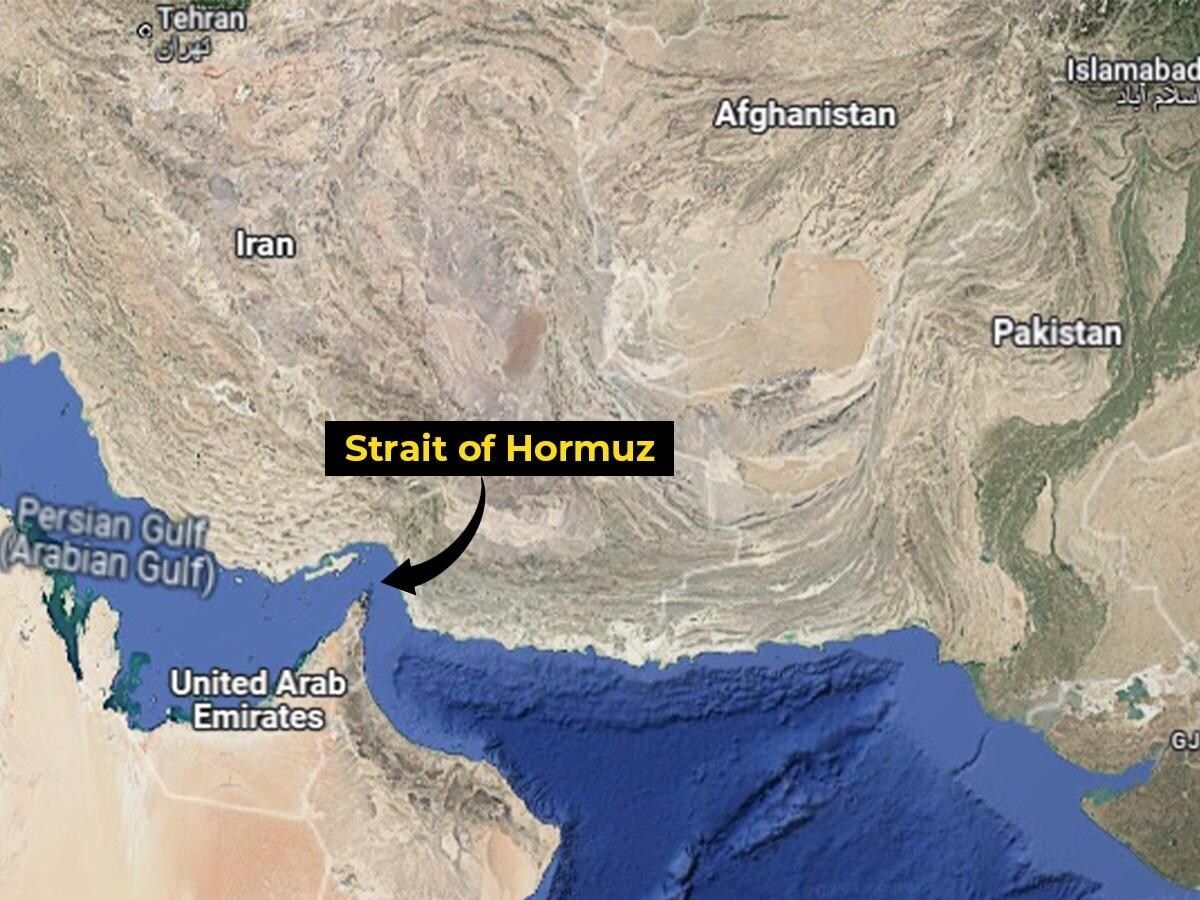
The ongoing conflict in the Middle East has begun to impact global energy supply as major oil-producing countries face export disruptions. Saudi Arabia, the world’s largest oil exporter, has reportedly started reducing crude oil production as the near-closure of the Strait of Hormuz slows shipments and fills storage facilities.
The move comes as the conflict in the region enters its second week and maritime traffic through the key shipping route has nearly stopped. Oil exports from several Gulf nations have been disrupted, forcing producers to adjust their production levels to prevent storage facilities from reaching capacity.
Energy analysts say the slowdown in exports has already pushed global oil prices above $100 per barrel and raised concerns about rising inflation and supply shortages worldwide.
US-Israel-Iran War: Why the Strait of Hormuz is Critical for Global Oil Supply?
The Strait of Hormuz is one of the most important oil transit routes in the world. The narrow waterway connects the Persian Gulf with the Gulf of Oman and carries a significant portion of global oil shipments.
In recent days, shipping activity in the strait has dropped sharply due to escalating military tensions in the region. Reports indicate that most commercial traffic has halted, with only limited shipments continuing to pass through the route.
Because a large share of oil exports from Saudi Arabia, the United Arab Emirates, Kuwait and Iraq travels through this corridor, the disruption has created a bottleneck in global energy supply chains. The slowdown has caused crude exports to accumulate in storage tanks across the Gulf region.
US-Israel-Iran War: Why is Saudi Arabia Cutting Oil Production?
Saudi Arabia produces around 10 million barrels of oil per day and exports approximately 7 million barrels daily. With shipments slowing due to limited tanker movement through the Strait of Hormuz, storage tanks are filling rapidly.
To avoid exceeding storage capacity, Saudi authorities have reportedly started reducing production levels.
The cuts follow similar steps taken by other major Gulf producers, including the United Arab Emirates, Kuwait and Iraq. These countries are reducing output pre-emptively to prevent a situation where oil production must stop completely due to a lack of storage space.
Energy companies often lower production when export routes are disrupted because continuing to pump oil without storage capacity can create operational and logistical problems.
US-Israel-Iran War: How Saudi Arabia is Rerouting Oil Exports?
Saudi Arabia has also begun redirecting some oil shipments through alternative export routes. The country is moving part of its crude supply through pipelines that transport oil to the Red Sea port of Yanbu. From there, tankers can ship oil to international markets without passing through the Strait of Hormuz.
However, the pipeline used for this route does not have enough capacity to replace all the oil normally exported through the strait. As a result, Saudi Arabia still faces limitations in maintaining its usual export volumes. State-run oil company Saudi Aramco has not publicly commented on the production adjustments.
US-Israel-Iran War: How Much Oil Storage Capacity is Left in the Gulf?
Energy analysts estimate that Gulf producers still have some remaining storage capacity, but the available space may not last long if export disruptions continue.
According to estimates from industry experts, Saudi Arabia, the United Arab Emirates, Kuwait and Iraq collectively have just over 100 million barrels of unused storage capacity remaining.
However, the actual usable capacity may be lower in practice because oil facilities typically cannot operate safely at full capacity. Experts also note that oil storage operations usually do not exceed about 80 per cent of their maximum levels to maintain operational safety and flexibility.
US-Israel-Iran War: Global Oil Prices Surge as Middle East Conflict Intensifies
The disruption in exports has already affected global oil markets. Crude oil prices have surged above $100 per barrel as traders react to fears of supply shortages from the Middle East. The conflict has raised concerns that a prolonged closure of the Strait of Hormuz could significantly reduce global oil availability, leading to higher fuel costs and increased inflation.
Financial institutions had previously warned that Gulf oil storage facilities could reach capacity within a few months if exports remain blocked. JPMorgan analysts earlier estimated that Saudi Arabia could exhaust its available oil and fuel storage capacity in just over two months from the start of the conflict.
US-Israel-Iran War: Why the Strait of Hormuz Crisis Matters for the Global Economy?
The situation highlights how geopolitical tensions in the Middle East can quickly affect global energy markets. The Strait of Hormuz remains one of the most strategically important shipping routes for oil and gas exports. Any disruption in this corridor can have immediate consequences for global fuel prices and economic stability.
If the conflict continues and export routes remain blocked, energy experts warn that oil prices could rise further and create additional pressure on economies worldwide. For now, governments and energy companies across the world are closely monitoring the situation, as the Gulf region remains central to global energy supply.




