Iran faces rising tension after anonymous phone alerts, Trump’s strike warning, nuclear talks uncertainty, student protests, and evacuation advisories from multiple countries.
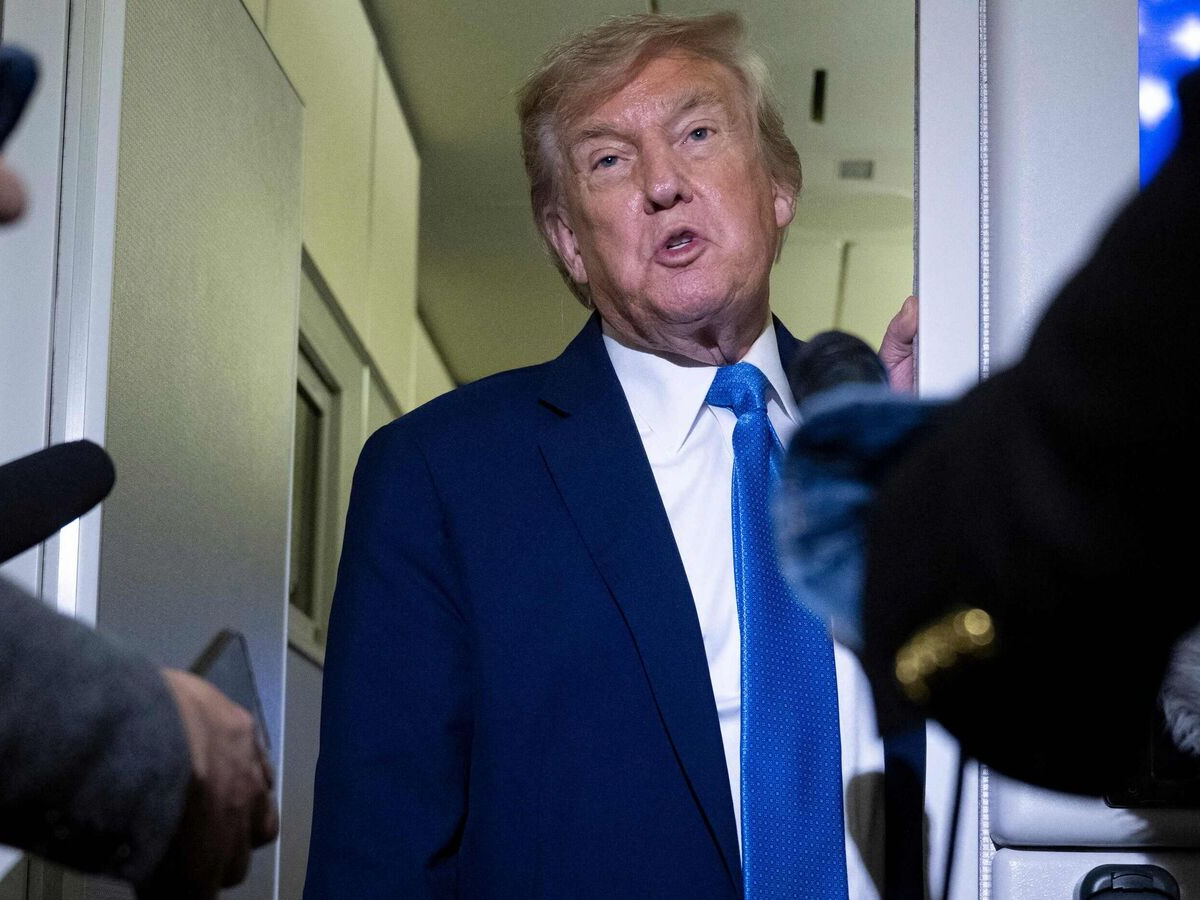
On Monday, residents in multiple Iranian cities reported receiving a cryptic phone alert stating, "The US President is a man of action. Wait and see," sent from an unknown number. (Photo: AFP)
Tensions between Iran and the United States have escalated sharply after thousands of people across Iran reportedly received an anonymous message on their mobile phones warning of imminent action by Washington. The alert, written in Persian, arrived as the US increased military pressure in the Middle East and President Donald Trump openly discussed the possibility of a limited strike.
The unexpected message, combined with mass protests, diplomatic uncertainty, and evacuation advisories, has heightened fears that the long-simmering standoff could spiral into a broader regional conflict.
On Monday, residents in multiple Iranian cities reported receiving a cryptic phone alert stating, "The US President is a man of action. Wait and see," sent from an unknown number. The message quickly spread on social media, triggering panic and speculation.
While Iranian authorities have not officially commented on the alert, its timing has intensified public anxiety as military and diplomatic developments unfold simultaneously.
President Donald Trump has confirmed that he is weighing a “limited military strike” against Iran if diplomatic efforts fail. He has warned Tehran that it has 15 days to reach an agreement, suggesting the US could act using the large deployment of aircraft and naval forces already positioned in the region.
Despite the threats, indirect talks between Iran and the United States are scheduled to resume in Geneva on Thursday under Omani mediation. Iran insists the negotiations focus strictly on its nuclear programme, while Washington wants broader discussions covering Iran’s missile capabilities and its backing of armed groups in the region.
Iranian Foreign Minister Abbas Araghchi told CBS he saw a “good chance” for diplomacy but stressed that Tehran would not negotiate under military pressure.
As concerns of conflict grow, the US embassy in neighbouring Lebanon evacuated dozens of staff as a precaution. Several countries have also urged their citizens to leave Iran, citing security risks. India joined Sweden, Serbia, Poland, and Australia on Monday in advising nationals to depart the country or remain extremely cautious.
These warnings underline growing international concern that any military action could quickly destabilise the wider Middle East.
Alongside geopolitical tensions, Iran is also grappling with renewed domestic unrest. University students across the country have returned to campuses with fresh anti-government protests. Demonstrations revived slogans from nationwide protests earlier this year, which were met with a deadly crackdown.
Videos circulating online show students in Tehran burning the Iranian flag adopted after the 1979 revolution and chanting “down with the Islamic Republic.” Protesters, many of them women, echoed slogans directed at Iran’s clerical leadership, reflecting deep public frustration over economic hardship and political repression.
Human rights groups report staggering casualties from the recent protests. The US-based Human Rights Activists News Agency says more than 7,000 people were killed, mostly protesters. Iranian authorities dispute this figure, acknowledging over 3,000 deaths, including security personnel and bystanders, while blaming “terrorist acts” backed by foreign enemies.
Iran now faces pressure on multiple fronts: economic strain from sanctions, weakened regional influence, internal dissent, and the threat of US military action. The European Union has urged restraint, with EU foreign policy chief Kaja Kallas warning, "We don't need another war in this region."
As talks approach and military threats intensify, Iran stands at a critical crossroads. Whether diplomacy prevails or confrontation follows may shape not only Iran’s future but the stability of the entire Middle East.
