The US Senate votes to limit Trump's military action in Venezuela after Maduro's capture. Here's what the war powers resolution means and why it passed.
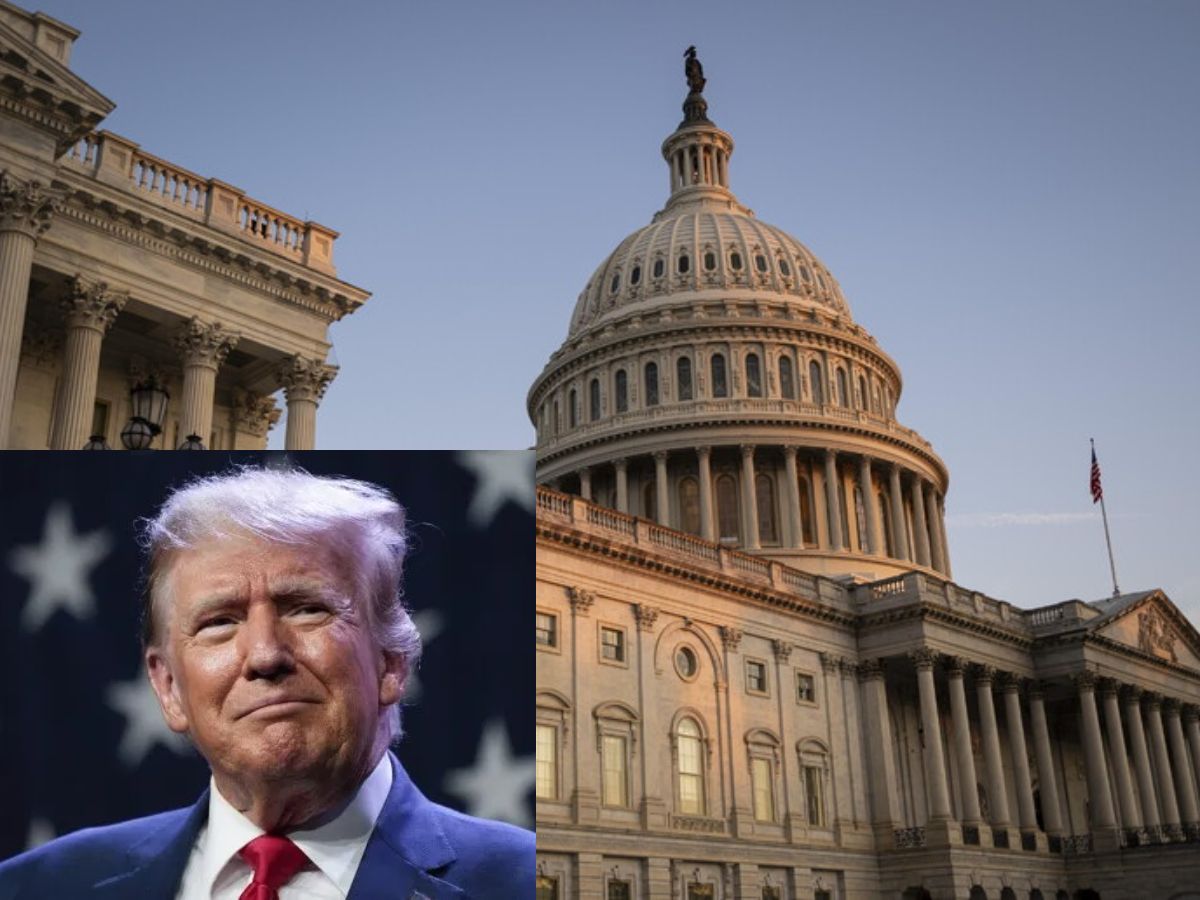
Bipartisan Senate vote seeks to rein in Trump's Venezuela military authority (Image: File)
WASHINGTON, United States, January 8 — The US Senate has taken a significant step to limit President Donald Trump’s ability to wage military action in Venezuela without its approval. The move comes just days after a US-led operation captured Venezuelan President Nicolás Maduro in Caracas.
The Senate voted 52 to 47 on Thursday to advance a war powers resolution. The resolution would bar President Trump from engaging in further military action against Venezuela unless Congress authorizes it. This procedural vote allows the measure to move toward a final Senate vote.
A handful of Republicans joined every Democrat in favor of the measure. This marks a shift from last year, when two similar attempts were blocked by Trump’s fellow Republicans. The vote follows a dramatic escalation: US forces captured Maduro in a military raid earlier this week.
The timing is crucial. The administration had been increasing military pressure on Venezuela since September, with attacks on boats in the southern Caribbean. The capture of Maduro, a top geopolitical rival, raised immediate questions about what comes next.
The Senate is now stressing its constitutional right to declare war. Lawmakers from both parties seek oversight and debate before any deeper military involvement. The resolution raises alarms about conflict growing without proper authorization from Congress leadership bodies.
The vote does not immediately change US policy. But it sets up a final Senate vote that could force the President to seek approval for any new military action in Venezuela. It demonstrates a growing, bipartisan wariness of unilateral executive action.
The resolution specifically targets “further military action.” It does not undo the operation that captured Maduro. Its focus is on future decisions, including potential stabilization efforts or responses to any counter-attacks.
The US has long pushed for Maduro’s exit, blaming authoritarian rule and an economy left crippled. However, military intervention has been a contentious topic. Previous Senate efforts to check the President’s war powers related to Iran and Yemen also saw bipartisan support.
