
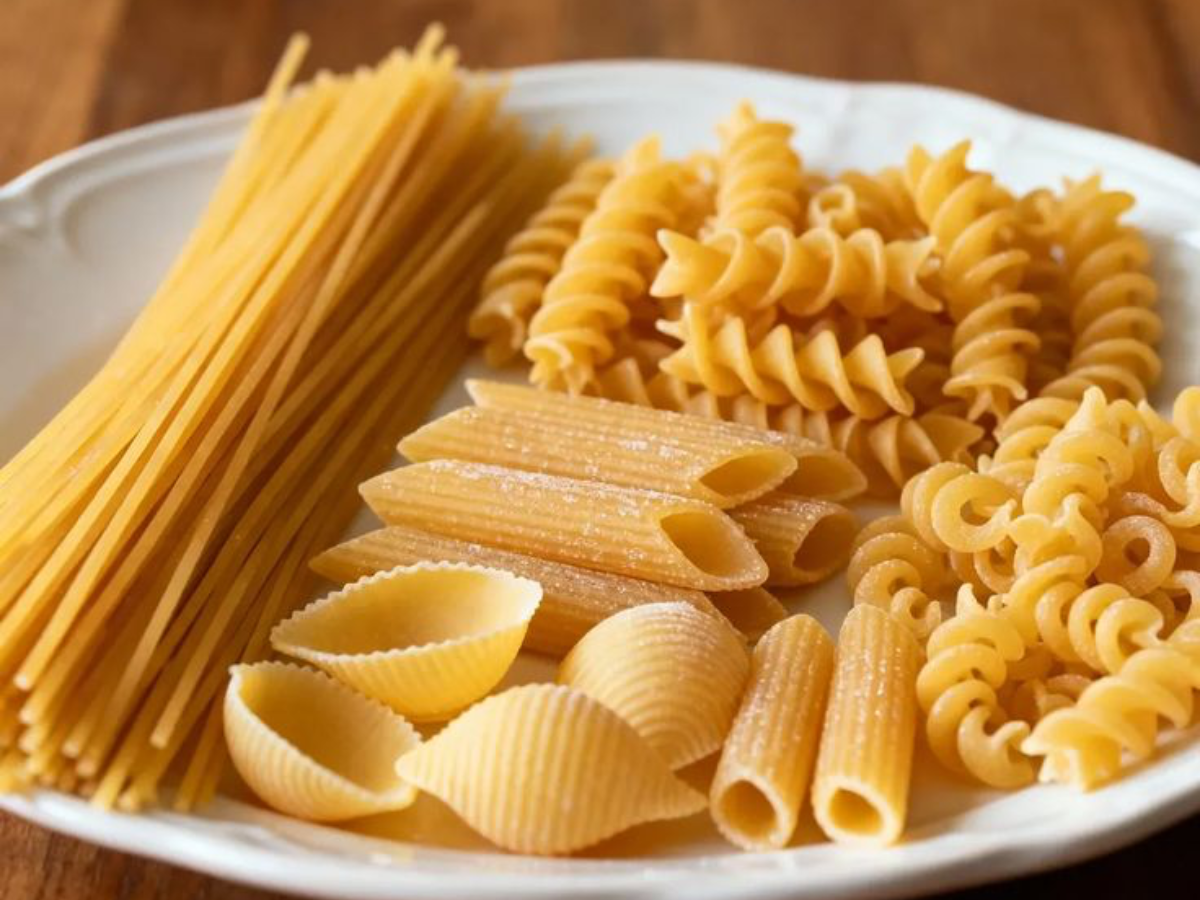
Pasta is associated with comfort, culture and tradition. It was caught in the machinery of global trade politics for a brief period. Italian Pasta is set to spared from high level of US Tariffs that the Trump administration had threatened against 13 producers. This trade issue was on track to become just another trade dispute.
How the US Turned Italian Pasta into a Trade Weapon
The dispute began when US authorities accused a group of Italian pasta producers of selling their products in America at unfairly low prices. This practice known in trade law as dumping, can trigger steep penalties if proven. In this case, proposed tariffs climbed as high as 92%. Combined with existing EU import duties, the tax burden would have exceeded the pasta’s retail value. For American importers and shoppers, this meant one thing sharply higher prices on a pantry staple.
What Made the Trump Administration Withdraw Proposed Tariffs
Italian firms engaged with US regulators, opening their books and challenging the dumping claims. The data told a different story. Italian pasta was not cheap in the US market and it was premium priced. Faced with evidence and growing concern about consumer backlash, the Commerce Department softened its stance. Tariffs were dramatically reduced with some brands facing rates in the low single digits instead of punitive levels.
How Italian Pasta Sector became a Global Export Powerhouse
Italy’s pasta industry is both cultural and commercial produces roughly four million tonnes annually with more than half shipped abroad. The US is a key destination, but not the largest.
Major Italian Pasta Export Markets
|
Rank |
Country |
Value (USD) |
Quantity (kg) |
Market Share |
Avg Price ($/kg) |
|
1 |
Germany |
604.9 |
430.9 |
18.9% |
1.40 |
|
2 |
United States |
521.2 |
278.7 |
16.3% |
1.87 |
|
3 |
United Kingdom |
318.4 |
237.0 |
10.0% |
1.34 |
|
4 |
France |
299.3 |
218.8 |
9.4% |
1.37 |
|
5 |
Japan |
96.2 |
69.1 |
3.0% |
1.39 |
The numbers show Italian Pasta sells for more in the US than in Europe undermining claims of underpricing.
How the US Pasta Market Depends on Imports
America imports around $1.6 billion worth of pasta each year. Italy dominates, but competition exists across price tiers.
Leading Countries Supplying Pasta to the US
|
Rank |
Country |
Value (USD) |
Quantity (kg) |
Market Share |
Avg Price ($/kg) |
|
1 |
Italy |
502.5 |
279.5 |
53.5% |
1.80 |
|
2 |
Canada |
82.3 |
39.7 |
8.8% |
2.07 |
|
3 |
China |
59.4 |
36.6 |
6.3% |
1.62 |
|
4 |
Mexico |
53.5 |
41.5 |
5.7% |
1.29 |
|
5 |
Thailand |
36.0 |
17.3 |
3.8% |
2.08 |
Instead of being dumping strategy, Italian Pasta’s comfortable middle of the road price point reinforces its premium reputation.
How US Consumers Benefit While Italy Avoids Tariff Pain
- American shoppers avoid sharp price hikes on imported Italian Pasta
- Popular Italian brands remain widely available in US grocery stores
- Restaurants can keep menu prices stable without cutting portion sizes
- Food importers escape added costs that would have hit supply chains
- Italian Pasta makers gain certainty and protect export revenues
- Italy avoids a diplomatic strain with a key trading partner
- The decision reinforces Italian Pasta’s premium standing in the US market
- Consumers on both sides benefit from eased trade pressure
US Cuts Italian Pasta Tariffs Following Policy Review
Originally tariffs on 13 major Italian pasta producers were set as high as 91.74%, which would have more than doubled the cost of some products in the US. After negotiations and data review, the rates were drastically lowered, with brands like La Molisana facing just 2.26%, while others range up to 13.98%.
Italy accounts for over half of US pasta imports, with 2024 figures showing $502.5 million in Italian pasta entering the American market, representing 53.5% of total imports, making this tariff reduction a critical relief for the sector and US shoppers.




