The U.S. raid capturing Venezuela's Maduro sent a direct message to China: stay out of the Americas. Analysis on China's weakened influence, failed air defenses, and regional fallout.
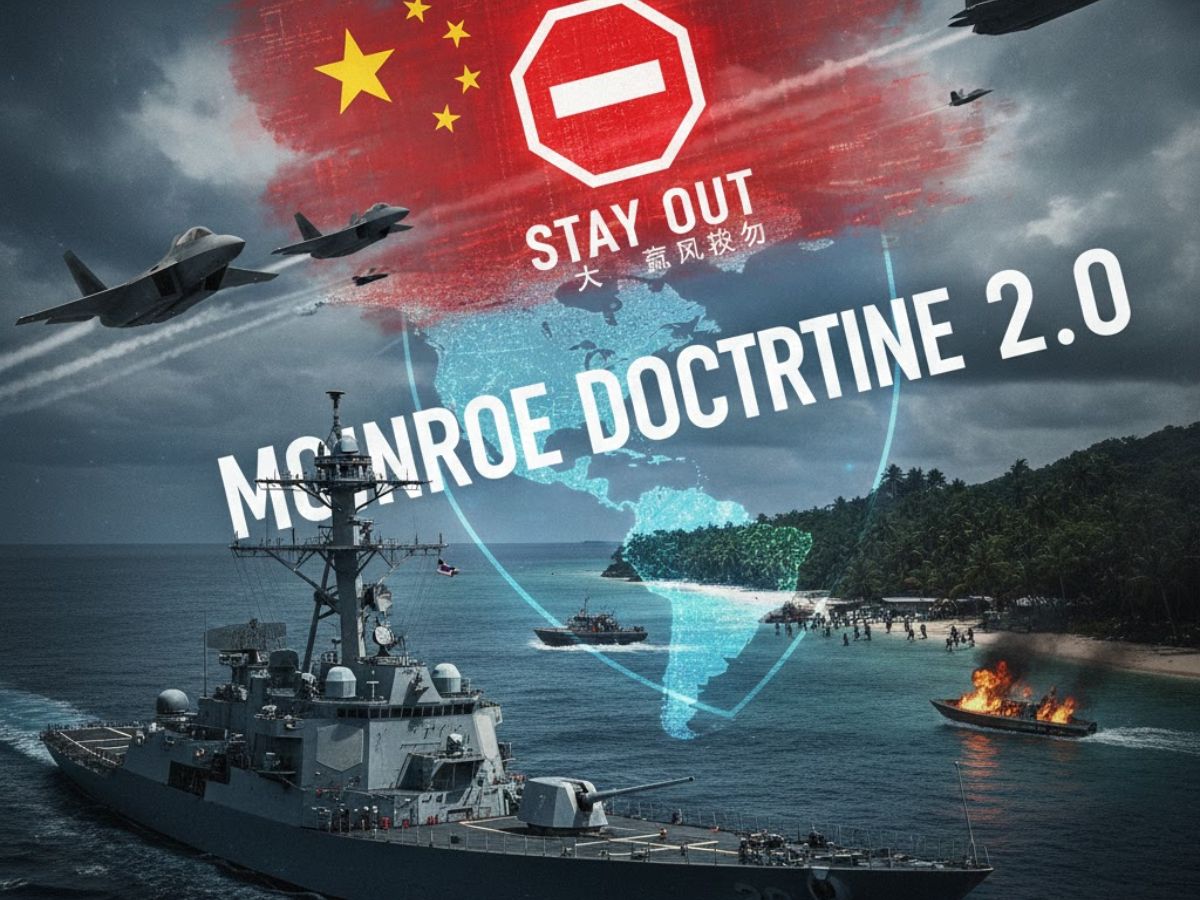
U.S. Sends China a Message With Venezuela Raid: "Stay Out of Our Hemisphere" (Image: File)
WASHINGTON, January 12 — The U.S. military operation that captured Venezuelan President Nicolás Maduro was designed to deliver a stark geopolitical warning to China, multiple Trump administration officials said. The raid aimed to curtail Beijing’s two-decade campaign for economic and strategic influence in what Washington considers its hemisphere.
U.S. officials explicitly stated the operation intended to counter China’s ambitions in Latin America. President Donald Trump framed it as a direct demand, stating he told China, “We don’t want you there, you’re not gonna be there.” The move sought to end China’s practice of leveraging debt for cheap Venezuelan oil and to signal that Washington will actively enforce its regional primacy.
The raid delivered a tangible blow on several fronts. U.S. forces quickly disabled Chinese-supplied air defense systems in Caracas, exposing their ineffectiveness against American military power. Additionally, Trump declared that the United States will receive 30–50 million barrels of sanctioned Venezuelan oil, most of which had previously been headed for China. This would deprive Beijing of a vital supply.
China denounced the operation through its embassy in Washington. Spokesperson Liu Pengyu rejected “unilateral, illegal, and bullying acts” and affirmed China would continue as a “friend and partner” to Latin America. However, analysts and a U.S. official said the event revealed China’s inability to protect its partners, undermining its reliability.
The operation commenced just hours after Maduro’s last public meeting with China’s special envoy for Latin America, Qiu Xiaoqi. The very public display of solidarity, staged as U.S. forces were poised to strike, suggested China was completely blindsided. A U.S. official noted, “If they knew, they wouldn't have gone so publicly.”
There are wider repercussions from the malfunction of Chinese military hardware and the absence of a defensive reaction:
Eroded Confidence: Nations relying on Chinese defense systems are questioning their efficacy against U.S. capabilities.
New Pressure Points: China's influence in Cuba and its activities near the Panama Canal are coming under more American scrutiny.
Strategic Vulnerability: The event highlighted the gap between China’s rhetorical power and its actual reach in the Western Hemisphere, forcing Beijing to reassess its defenses.
Some analysts caution it might. A former State Department official, Daniel Russel, warned that by adopting a blunt “spheres-of-influence” approach, the U.S. could inadvertently justify China’s own dominance in Asia. Furthermore, prolonged U.S. involvement in Venezuela could eventually create new opportunities for Beijing to re-engage.
A: Trump stated he would tell China it could “buy all the oil they want from us,” positioning the U.S. as an alternative energy supplier to replace lost Venezuelan crude.
A: According to a source briefed on intelligence, China is studying the failure of its air defenses in Venezuela to shore up its own military systems.
