Iran-US Tension: USS Abraham Lincoln’s deployment sharpens US–Iran tensions, highlighting military imbalance, nuclear red lines and growing risks of miscalculation.
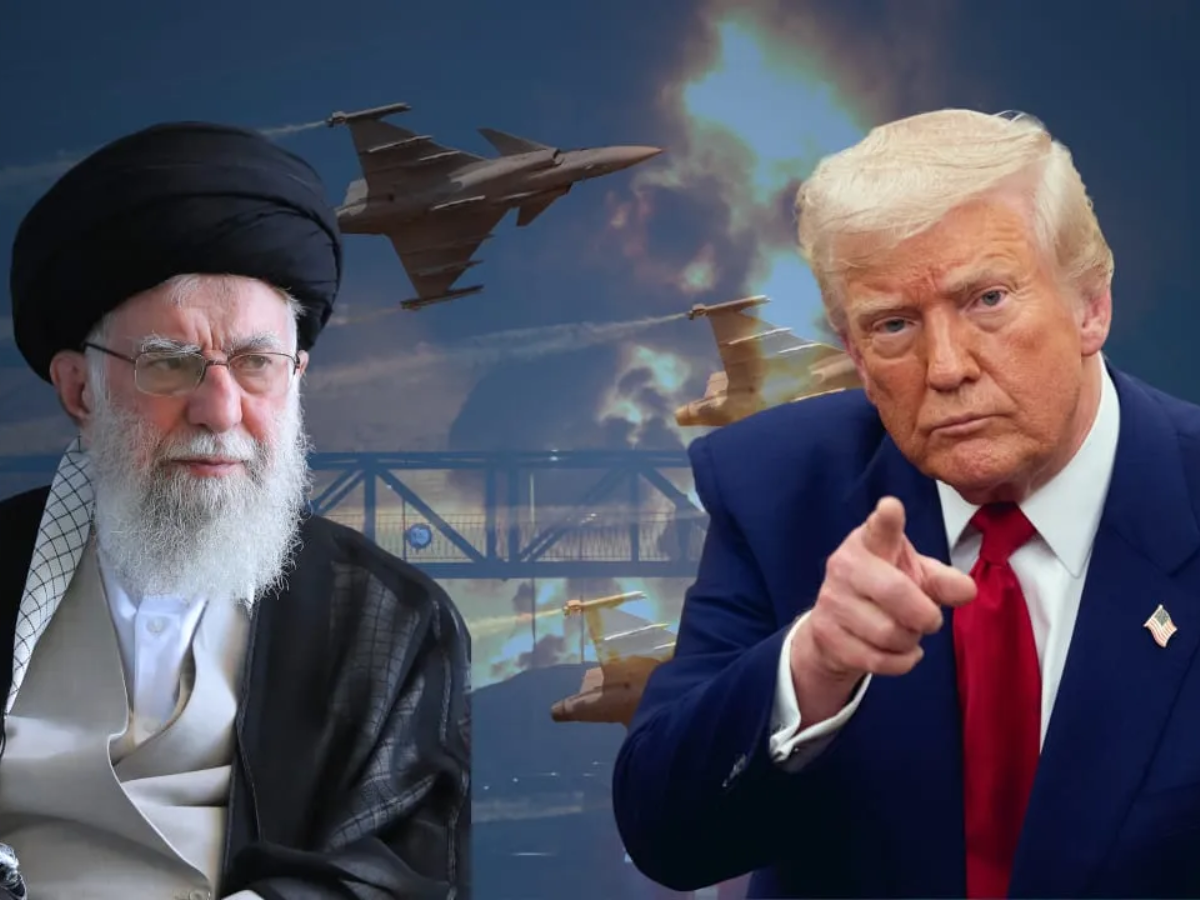
How a U.S. Strike on Iran Might Unfold with Air Power, Naval Strength (Photo: X)
Iran-US Tension: The Arabian Sea tensions are no longer hypothetical. The standoff between Washington and Tehran has entered a clearly muscular phase as the USS Abraham Lincoln carrier strike group approaches Iran's strategic orbit. Diplomats, markets, and armed forces are all responding to what may be the most significant conflict between the United States and Iran in recent memory.
The Nimitz-class aircraft carrier Abraham Lincoln's arrival is not a standard signal. With over 70 combat aircraft, including F-35Cs and F/A-18s, the strike group is supported by destroyers like the USS Spruance and USS Michael Murphy. The carrier has cleared important transit routes, according to Pentagon officials, and it will soon be operating under U.S. Central Command. American air power can now quickly reach Iranian territory and proxy networks thanks to this action.
There isn't much doubt about President Trump's position. He has reaffirmed that Iran will not be permitted to cross the nuclear threshold in both public and private statements. His wording implies that he prefers short, decisive strikes to protracted conflict. For its part, Tehran has reacted angrily. The rhetorical temperature increased when Iranian President Masoud Pezeshkian issued a warning that any direct threat to Supreme Leader Ayatollah Ali Khamenei would result in full-scale war.
The disparity is glaring on paper. Iran has an estimated 580,000 regular soldiers and 200,000 Revolutionary Guard members, while the United States has about 1.3 million active-duty soldiers and over 760,000 reservists. Similar trends can be seen in defense spending: Iran's budget is approximately $15.5 billion, while Washington allots nearly $895 billion per year. For the United States, these figures translate into better logistics, long-term deployment capability, and worldwide reach.
America's greatest card is still air dominance. In opposition to Iran's aging fleet of fewer than 600 aircraft, the United States operates over 13,000 aircraft, including cutting-edge stealth platforms. The contrast is even more pronounced at sea. Eleven aircraft carriers, numerous destroyers with Aegis systems, and nuclear submarines are under the command of the U.S. Navy. Iran uses patrol boats, coastal defense, and a few submarines that are more suited for regional disruption than open-ocean warfare.
Iran's strategy does not rely on directly matching U.S. power. Rather, it relies on asymmetric weapons such as naval mines, drones, ballistic missiles, and proxy forces. The most vulnerable chokepoint is still the Strait of Hormuz, where even minor disruptions have the potential to rock the world's energy markets. Brent crude prices rose by almost 5% due to recent concerns about a blockade, demonstrating how quickly regional tension affects world economics.
The greatest danger lies not in intent but in error. With thousands of troops, advanced weapons systems, and multiple actors operating in close quarters, the margin for misreading signals is thin. Diplomatic backchannels reportedly remain open, but sanctions, domestic unrest in Iran, and election-year politics in the U.S. complicate restraint. Analysts increasingly believe Washington would target proxy networks first, aiming to weaken Iran’s regional leverage without triggering all-out war.
