The United States imposed visa restrictions on three Chile government officials over regional security concerns in Latin America, triggering fresh tensions between Washington and Santiago.
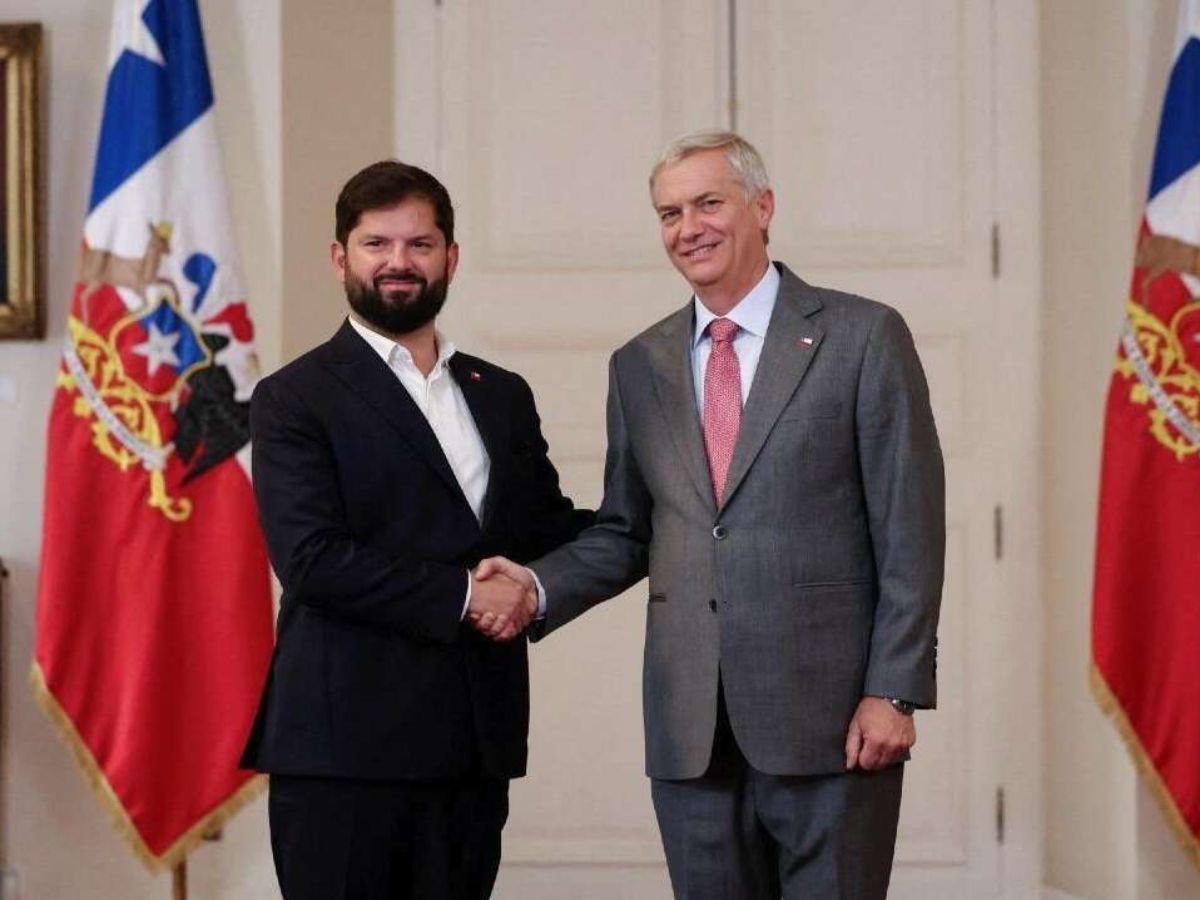
Trump, who is seeking to counter China’s strategic influence in the region, is sending a clear message to countries across Latin America with these visa restrictions (Photo: Social Media)
Last week, US Secretary of State Marco Rubio said the Trump administration would impose visa restrictions on three Chilean government officials tied to a subsea cable project proposed by Chinese firms. As the country witnesses a political shift amid an upcoming leadership transition, Chile finds itself increasingly caught between China and the United States.
Both the US and China are vital partners of Chile. The US is Chile’s top foreign investor, while China is Chile’s largest trading partner. The US is putting pressure on the Latin American nation to counter China in the Western Hemisphere, which it traditionally viewed as America’s sphere of influence.
The decision has placed Chile in a difficult position, since Washington, under President Donald Trump, views Chinese infrastructure investments as a security concern. Trump, who is seeking to counter China’s strategic influence in the region, is sending a clear message to countries across Latin America with these visa restrictions. As competition between the United States and China intensifies, countries like Chile are increasingly finding themselves caught between economic dependence and geopolitical pressure.
The US government has imposed visa restrictions on three Chilean government officials, one of them being Chile’s Transport and Telecommunications Minister, Juan Carlos Muñoz. According to the State Department, the individuals and their immediate families will not be eligible to enter the US, and authorities have revoked any visas previously held by them.
These restrictions are reportedly due to Chile’s trade ties to China and a proposed undersea cable linking the two countries. According to official sources, the US believes that these individuals “knowingly directed, authorized, funded, provided significant support to, and/or carried out activities that compromised critical telecommunications infrastructure and undermined regional security in our hemisphere”.
Chile is undergoing a significant political shift that has reshaped its domestic and international stance. After four years of left-wing rule under President Gabriel Boric, voters turned to the right in the 2025 presidential election. Far-right candidate José Antonio Kast, a veteran conservative politician, won the elections and is set to take his oath on 11 March 2026.
Chile’s move to the right coincides with increased pressure from Washington to curb China’s influence in Latin America. This incident comes just two weeks before Chile’s incoming right-wing government takes over. According to analysts, these tensions are a calibrated warning to the incoming administration that decisions on infrastructure will not be considered neutral but rather evidence of geopolitical alignment.
