
Middle East Conflict: Recent Middle East strike has again sparked off the debate on the capability and weaknesses of modern missile defence systems. It is reported that Iran managed to attack a high value radar associated with the missile defence network of the United States in one of the Jordan air bases. The radar estimated to cost approximately 300 million was included in the system that was guiding the Terminal High Altitude Area Defense (THAAD) platform. According to satellite pictures of the Muwaffaq Salti Air Base, it was reported that the radar and other equipment were destroyed in the initial days of the war.
The incident has raised concern amongst the defence analysts since the radar is very essential in tracking and intercepting incoming ballistic missiles. Although the United States has various defence layers in the region, the loss of such an advanced component opens potential gaps in the network.
US-Iran Tension: What is the US THAAD System?
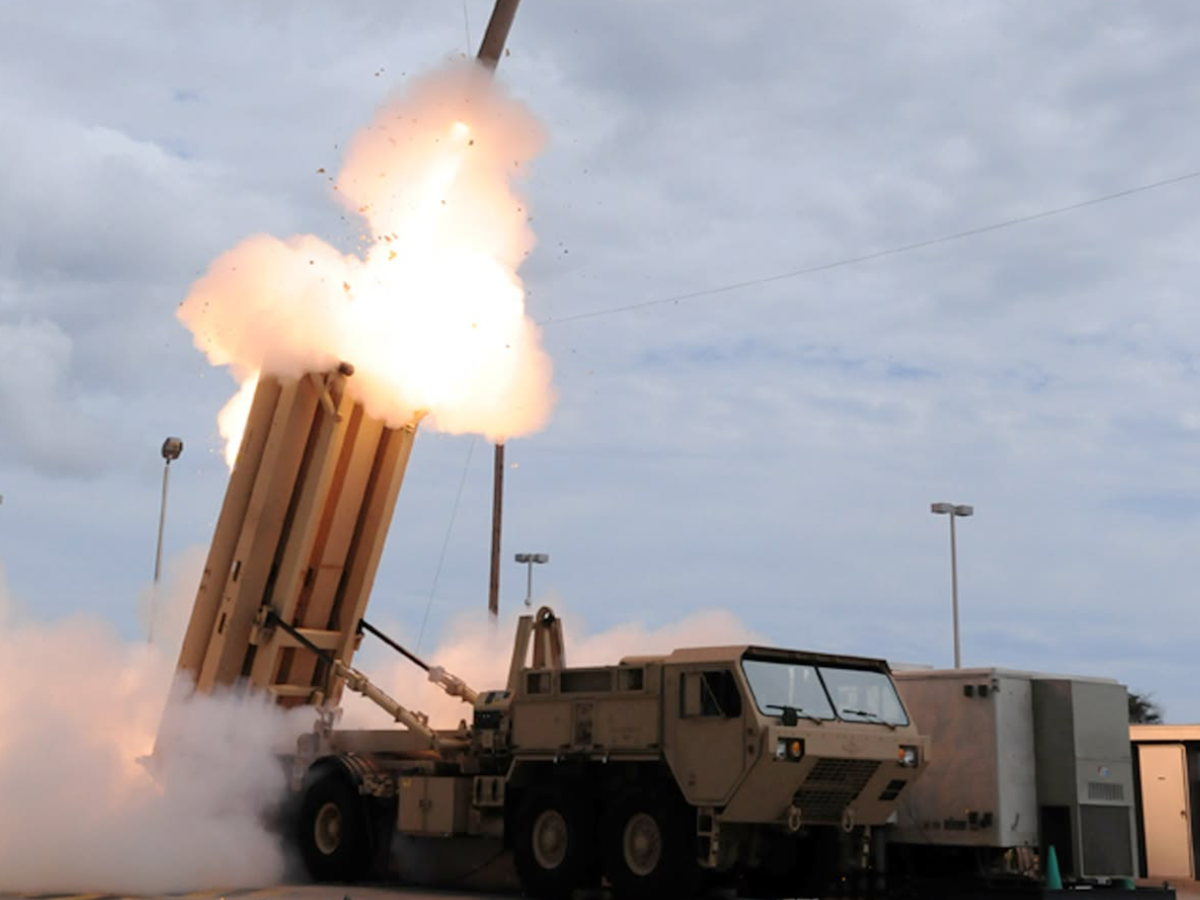
The Terminal High Altitude Area Defense (THAAD) system is developed to shoot down the short and medium range ballistic missiles when they are in their last stages of flight. THAAD is capable of attacking threats at the edge of the atmosphere, unlike systems in lower altitudes.
A standard THAAD system consists of six launchers on wheels, 48 interceptor missiles, a TPY-2 radar and a command center manned by approximately 90 troops with an interceptor missile costs within the range of about 13 million and is manufactured by Lockheed Martin.
US–Iran Tensions: THAAD Missile Defence System Under Scrutiny
The strike mentioned has raised the eyebrows of THAAD network. Today, the United States has eight THAAD batteries deployed in various parts of the world and deployed in South Korea and Guam. The batteries each cost an estimated $1 billion and can be considered as some of the most costly missile defence systems in deployment.
The loss of one of the radar parts, experts say, is a major issue since such systems are made in small quantities and cannot be substituted at a short notice.
US–Iran Tensions: Strategic Importance of the Destroyed Radar
The AN/TPY-2 tracking system was used on the radar targeted in Jordan and was made by RTX Corporation. It offers extended range of detection and accurate targeting of the interceptor missiles. In the absence of proper radar surveillance, interception becomes much harder. Although alternative sensors can temporarily replace such a high-value asset, the damage to such an asset undermines the entire detection network in the area.
US–Iran Tensions: Pressure on Regional Missile Defence
The growing number of drone attacks and missile attacks is already putting a strain on missile defence systems in the Gulf. Should the THAAD coverage be reduced, an increased responsibility will be transferred to the systems like MIM-104 Patriot.
Nevertheless, the Patriot batteries are typically more effective in shorter distance threats and their PAC-3 interceptor missile already exists in a tight supply. This brings in doubt the extent to which the present stockpiles will be able to maintain the tensions.
US–Iran Tensions: Military Response and Production Push
The incident has led to an increased demand in Washington to increase the manufacture of missile defence. Such defence contractors as Lockheed Martin and RTX Corporation have been known to discuss with US authorities the need to raise manufacturing capacity.
An increase in the speed of interceptors and radar systems is now regarded as the key to defence preparedness in areas that are exposed to the constant threat of missiles.
US–Iran Tensions: Broader Security Implications
The strike highlights the transformative characteristic of war in the contemporary times. Cordinated missile and drone attacks can be a challenge even to highly advanced defence systems.
To the United States and its allies, the event is a wakeup call that just being technologically ahead of the curve might not ensure complete security. Enhancing layered defence systems and ensuring better early-warning capabilities will also be important priorities.
US–Iran Tensions: The Earlier Iranian Attack on the US Radar System
Another Iranian strike on a radar installation in Qatar was also reported earlier in the conflict. This system is called AN/FPS-132 and is mainly used as a long-range early-warning radar with a capability of identifying threats with a long range.
The system, however, unlike the THAAD radar, is not intended to control interceptors directly hence the difference in its role of operation although it is incorporated into the greater overall defence architecture.
FAQ’s: US–Iran Updates
1. What does the THAAD system do?
The Terminal High Altitude Area Defense (THAAD) system intercepts ballistic missiles during the final phase of their flight path.
2. How expensive is a THAAD battery?
Each battery costs roughly $1 billion, with the radar component alone valued near $300 million.
3. How many THAAD systems exist globally?
The United States currently operates eight THAAD batteries worldwide.
4. Why is the AN/TPY-2 radar important?
It detects and tracks incoming missiles, providing guidance data so interceptor missiles can hit their targets accurately.
5. Can other systems replace THAAD coverage?
Other platforms like the MIM‑104 Patriot system can help, but they are optimized for different types of threats.




