The US–Israel attack on Iran has put oil and LPG trade deals at serious risk, as rising tensions threaten shipments through the Strait of Hormuz
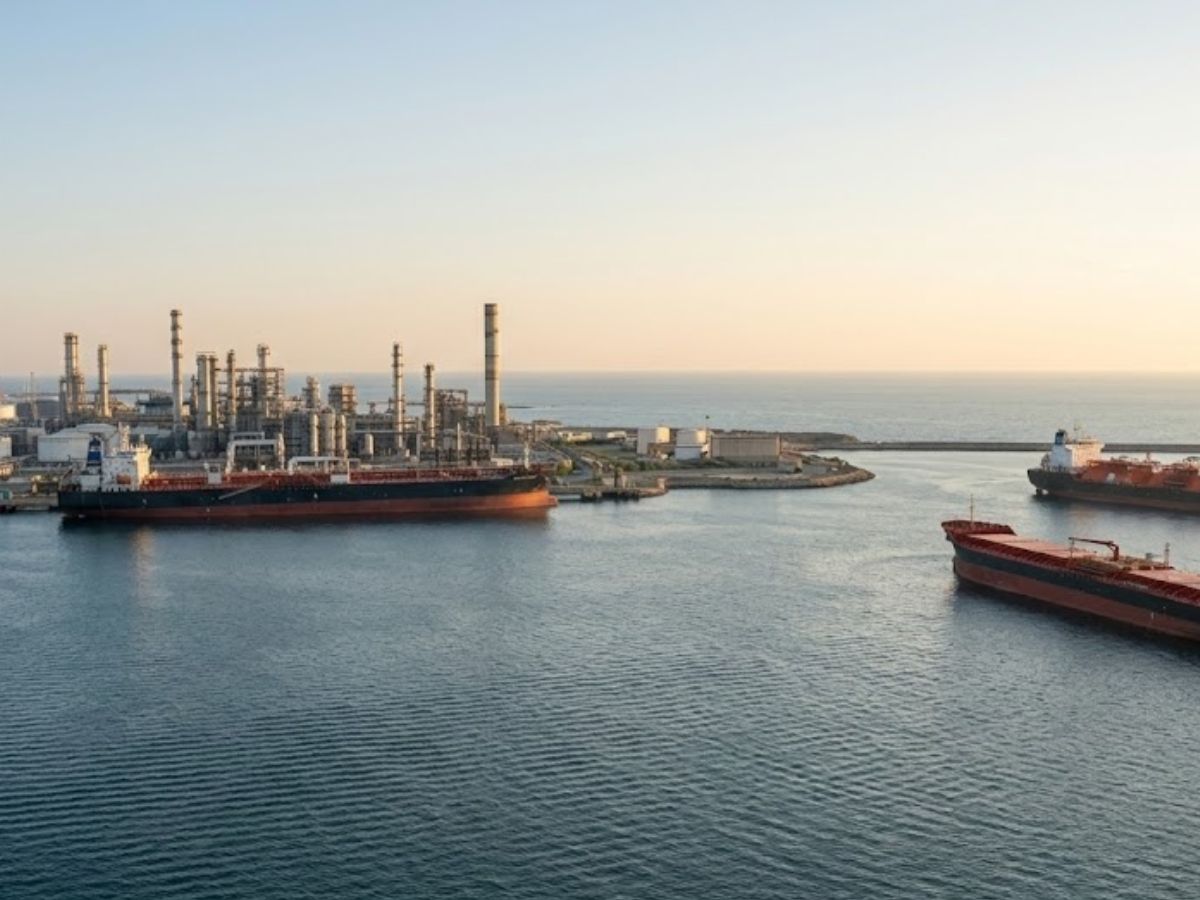
What Will Happen to Global Oil and LPG Trade Amid the US-Iran Conflict (Source: Gemini AI)
US Israel Attack Iran: The escalating conflict between the United States and Iran has created fresh uncertainty in global energy markets. The impact is not limited to one country or region. Because oil and gas supply chains are deeply interconnected, any disruption in the Gulf can quickly affect economies across Asia, Europe, Africa and the Americas. Rising geopolitical tensions are now forcing governments and investors to closely monitor global energy flows.
At the centre of global concern is the Strait of Hormuz, one of the world’s most important maritime energy corridors. Nearly 20 percent of global oil supply passes through this narrow waterway every day. A large portion of liquefied natural gas (LNG) shipments also moves through the same route.
Major oil-producing countries such as Saudi Arabia, the United Arab Emirates, Kuwait, Iraq and Qatar depend heavily on this passage to export crude oil and gas to global markets. Even if the Strait is not officially closed, reduced tanker movement, security risks and rising insurance premiums can slow shipments and tighten worldwide supply.
Whenever tensions rise in the Gulf region, oil markets react quickly. Traders begin pricing in the risk of supply disruption, pushing crude prices higher. If the conflict escalates further or energy infrastructure is damaged, Brent crude prices could remain elevated for a longer period.
Higher oil prices have a direct impact on the global economy. Fuel becomes more expensive, transportation costs rise and manufacturing expenses increase. Airlines, shipping companies and logistics firms pass these costs to consumers. As a result, inflationary pressure builds across countries, affecting both developed and emerging economies.
The Gulf region plays a key role in supplying LPG (Liquefied Petroleum Gas) and LNG to many parts of the world. Countries across Asia, Europe and Africa rely on these imports for cooking fuel, industrial operations and electricity generation.
If exports are interrupted or delayed, cooking gas prices could rise sharply. Power generation costs may also increase, especially in nations dependent on imported gas. Europe, which has already experienced energy market stress in recent years, could face renewed volatility if supplies tighten again.
Large energy importers such as China and several European nations could see higher import bills and increased economic pressure. Even the United States, despite being a major oil producer, would not remain unaffected because oil is globally priced.
Emerging markets may feel the strongest impact. Rising energy costs can weaken local currencies, widen trade deficits and increase government subsidy burdens. Higher import bills combined with inflation may slow economic growth in vulnerable economies.
OPEC+ countries, particularly Saudi Arabia and the UAE, hold spare production capacity that could help ease supply shortages. However, increased production alone cannot solve the problem if shipping routes are unsafe. Oil must travel securely to reach global buyers.
Alternative pipelines exist, but they cannot fully replace the massive volume transported daily by tankers through the Strait of Hormuz. This makes maritime security essential for global energy stability.
Energy shocks often trigger volatility in stock markets and currency markets. Investors may move toward safe-haven assets such as gold during periods of uncertainty. Central banks may also struggle to control inflation if crude prices remain high for an extended time.
At the same time, rising maritime insurance costs and freight rates could disrupt global trade flows. Supply chains, which are still recovering from previous global shocks, may face renewed pressure.
The long-term impact depends on how the situation develops. If diplomatic efforts reduce tensions and shipping continues without major interruption, markets may stabilise after initial volatility. However, if escalation continues and exports are significantly disrupted, the world could face sustained high energy prices, slower economic growth and deeper uncertainty in global trade.
For now, global oil and LPG trade remains operational but highly vulnerable. The stability of energy markets depends largely on whether geopolitical tensions ease or intensify in the coming days.
