The US is planning to deploy the Merops anti-drone system in West Asia to counter potential Iranian drone attacks amid rising tensions in the Israel-Iran conflict.
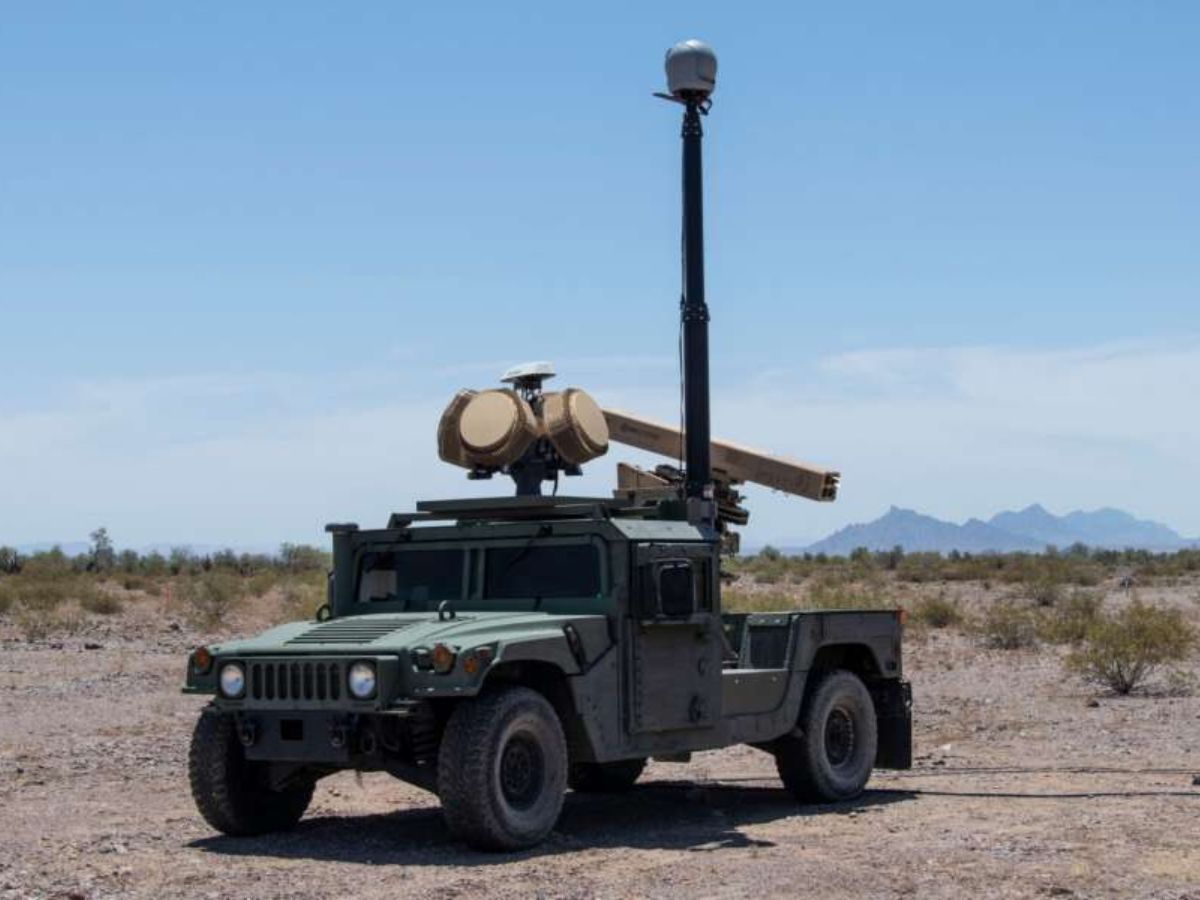
US–Israel–Iran War Why Is the US Deploying the Merops Anti-Drone System in West Asia (Source: X)
US–Israel–Iran War: The United States is preparing to deploy a new anti-drone defence technology in West Asia as concerns grow about possible drone attacks from Iran. The move comes after recent military strikes by the US and Israel increased fears that Tehran could respond with drone-based retaliation across the region.
American officials say the growing use of Iranian drones has created serious security challenges for US forces and their allies. While the US military has strong systems to intercept missiles, stopping drones has proven to be far more difficult.
Merops is a modern counter-drone system designed to detect and destroy hostile drones before they reach their targets. The system uses smaller counter-drones powered by artificial intelligence to intercept enemy drones in the air.
One of its key advantages is mobility. The Merops system is compact and can be mounted on a midsize pickup truck, allowing it to be quickly moved and deployed in different locations.
When the system detects an incoming drone, it launches another drone that intercepts and disables the threat. The technology is designed to work even if satellite signals or communication networks are disrupted, making it suitable for combat situations where electronic interference is common.
Another major benefit of the system is its cost efficiency. Instead of firing interceptor missiles that can cost hundreds of thousands of dollars, Merops uses relatively cheaper counter-drones to destroy enemy drones that may cost less than $50,000.
US officials say the increasing use of Iranian-made drones, especially Shahed drones, has become a major concern. These drones are cheaper, difficult to detect and can be launched in large numbers, making them a serious challenge for traditional air defence systems.
One US official admitted that Washington’s response to Iranian drones has been “disappointing” so far. The military has been able to stop missiles using defence systems such as the Patriot and THAAD missile defence systems, but reliable tools to counter drones are still limited.
US lawmakers have also raised concerns about the cost imbalance involved in defending against drones. Representative Jim Himes said the US military is capable of intercepting missiles, but dealing with large numbers of drones is much harder. He noted that using expensive interceptor missiles to destroy relatively cheap drones creates a major financial challenge.
The development and deployment of the Merops system has been influenced by experiences from the war in Ukraine. During the conflict, Russia used Iranian-made Shahed drones extensively in attacks.
Ukrainian President Volodymyr Zelenskyy previously said that the United States sought Ukraine’s assistance in understanding how to deal with these drones more effectively.
The Merops system has already been deployed in several NATO countries and has shown success in countering drone threats. The United States now plans to use the technology in West Asia to strengthen defence capabilities and reduce the risk posed by drone attacks in the region.
