
Venezuela has restored access to the social media platform X after more than a year of being blocked under former President Nicolás Maduro. On Tuesday, the platform, owned by Elon Musk, once again became available to users across the country, marking a significant shift in the nation’s online communication landscape.
This move comes amid ongoing political changes following Maduro’s capture by U.S. forces earlier this month.
The return of X is notable because it had been a primary way Venezuelans, officials, and institutions shared news and interacted with the world. Its restoration signals an easing of communication restrictions that had been in place since August 2024.
Who is Managing Nicolás Maduro’s’ XAccount?
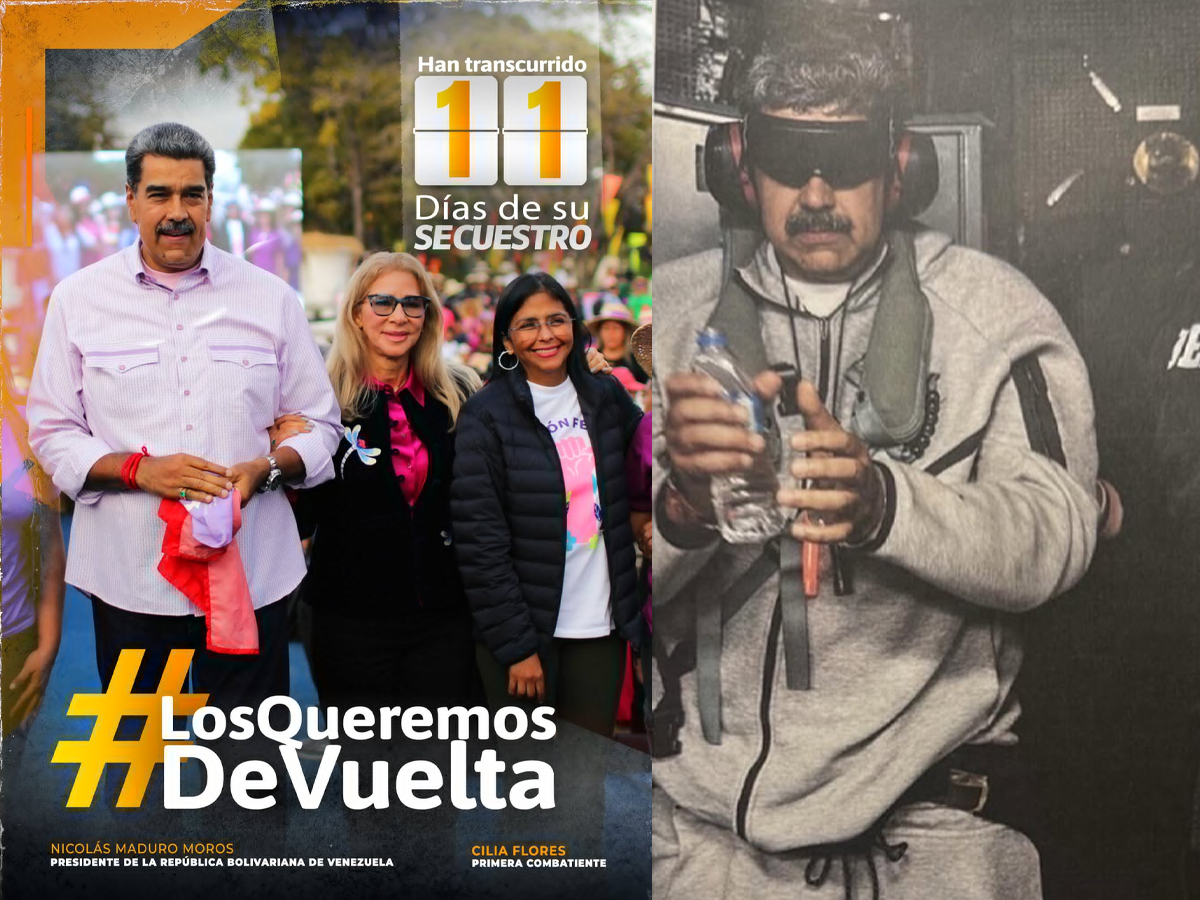
In a related development, the verified X account of Nicolás Maduro — the former president — also posted following the platform’s reopening. The account shared an image of Maduro with his wife, Cilia Flores, along with a message in Spanish stating that 11 days have passed since their detention and using the hashtag #WeWantThemBack. This post highlights ongoing political tensions and the personal toll of recent events.
— Nicolás Maduro (@NicolasMaduro) January 14, 2026
It was not immediately clear who is currently managing Maduro’s account, as he and Flores were captured during a U.S. operation earlier this month. The couple faces charges in the United States related to alleged drug trafficking.
Political Leaders Return to X in Venezuela
After the platform became accessible again, Venezuelan officials quickly reactivated their profiles. Acting President Delcy Rodríguez, who assumed leadership after Maduro’s capture, posted on her X account to announce the return, “We resume contact through this channel. Venezuela remains standing, with strength and historical awareness. Let us stay united, moving towards economic stability, social justice, and the welfare state we deserve to aspire to.”
Retomamos contacto por esta vía. Venezuela sigue de pie, con fortaleza y conciencia histórica. 🇻🇪
¡Sigamos unidos, avanzando por la tranquilidad económica, la justicia social y el Estado de bienestar en el que merecemos encontrarnos!
— Delcy Rodríguez (@delcyrodriguezv) January 14, 2026
Rodríguez updated her bio to reflect her role as Interim President of the Bolivarian Republic of Venezuela, reaffirming her commitment to national unity alongside Maduro.
Interior Minister Diosdado Cabello also returned to X with a message of solidarity, saying he was reconnecting with people in Venezuela and around the world who have been following the country’s developments.
Why X Was Blocked in the First Place in Venezuela?
X had been blocked in Venezuela since August 2024 after Maduro clashed publicly with the platform’s owner, Elon Musk, following his contested 2024 election. Maduro accused Musk and X of fomenting unrest, leading to the ban that lasted more than a year. Ministers, lawmakers, and government institutions stopped posting on the network during that time, cutting off a key channel of communication.
The suspension of X was part of broader restrictions on digital media that critics said aimed to limit dissent and control information. The move was widely criticized by free speech advocates and digital rights groups.
Impact of X Restoration on Venezuelan Users and Institutions
Before the block, X was a prominent platform for public debate, news sharing, and official government communications. Its absence forced many political figures, journalists, and ordinary citizens to find alternative channels to connect and share information. The restoration of access has been welcomed by many who saw the platform as vital for open communication.
However, access is still reported as spotty in some areas, suggesting technical or regulatory steps remain before full availability returns.
Broader Political Context in Venezuela
The reopening of X comes amid ongoing political upheaval in Venezuela. After contested elections in July 2024 and widespread allegations of fraud, Maduro’s grip on power weakened significantly. The capture of Maduro and his wife by U.S. forces on Jan. 3 triggered swift changes in government leadership and diplomatic posture.
Delcy Rodríguez, Maduro’s former vice president, has stepped into the interim presidency and is navigating both internal reforms and international pressure for transparency and democratic transition. Around the same time, dozens of political detainees were reportedly released, though the process has drawn mixed reactions.




