
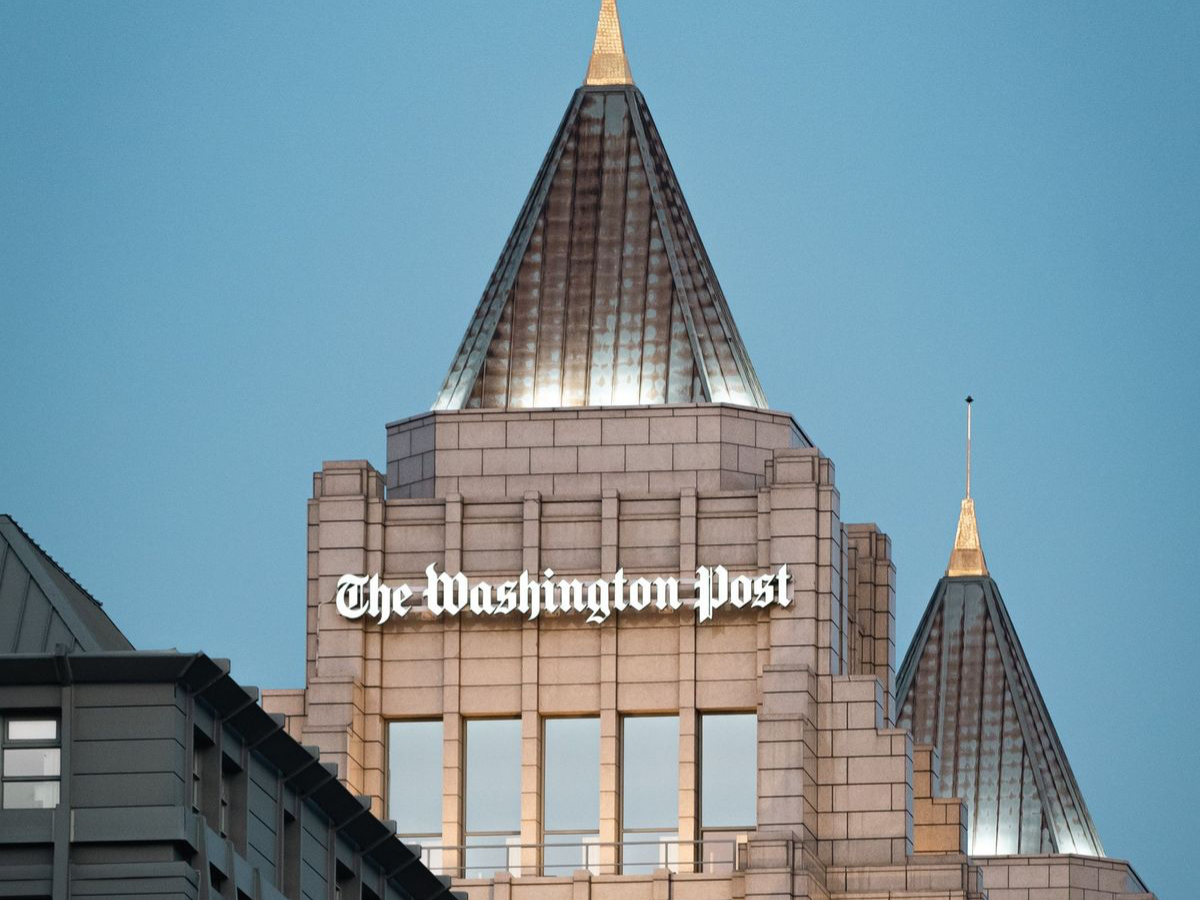
The Washington Post, a stalwart of the American journalism tradition, is in the midst of a massive layoff that will reduce its workforce by a third. Approximately 2,000 to 3,000 employees are being laid off, which is equivalent to 600 to 1,000 jobs, depending on how one calculates it and this move is a reflection of the financial squeeze that the traditional media industry is under due to declining subscriptions.
The Scope of the Layoffs
The layoffs were announced by executive editor Matt Murray in a Zoom meeting with staff. Employees were later notified by email about whether their jobs were cut or retained. The layoffs affected a number of departments, including the sports department, Washington coverage, the books section, and the Post Reports podcast, which will be put on hold. This follows a 4% reduction in staff last year that left the newsroom intact.
Historical Significance & Impact
The Post was founded in 1877 and has a long history of investigative journalism, including the Watergate scandal. This latest round of layoffs is one of the largest in the paper’s 146-year history. The layoffs affect both the domestic and international bureaus, which will likely shrink the reach of the paper. The Post reportedly employed several international correspondents, and this downsizing will significantly shrink that presence.
Comparison With Competitors
This is in contrast to The New York Times, which has increased its staff from 3,300 in 2013 to over 6,000 today. The Times has also been able to increase its revenue through such ventures as Wirecutter and NYT Games, while the Post’s 2 million subscribers have plateaued, forcing the company to slash costs.
Role of Ownership & Management
Jeff Bezos has owned the Washington Post since 2013, when he bought the paper for $250 million. Recently, the decisions made by the paper have come under increasing levels of scrutiny. With a personal net worth of approximately $260 billion, Bezos and the Washington Post have been criticized by the Washington Post Guild for cutting costs in a manner that has weakened the paper’s editorial strength. The paper’s decisions regarding political endorsements and the overall editorial policy may have alienated readers, leading to the layoffs.
What is the Next Steps for the Post
The Post is undergoing restructuring to better focus and ensure long-term sustainability. Murray emphasized that the goal is to maintain the quality of reporting despite reduced resources. Observers pointed out that since a third of the staff has been let go, there may be a short-term reduction in coverage, particularly in sports, books, and foreign coverage. Nevertheless, the Post is confident that the reduction will enhance core reporting.




