At the 2026 Munich Security Conference, UK PM Starmer urges stronger Europe–UK defence ties, reduced US reliance and readiness against Russia’s threats.
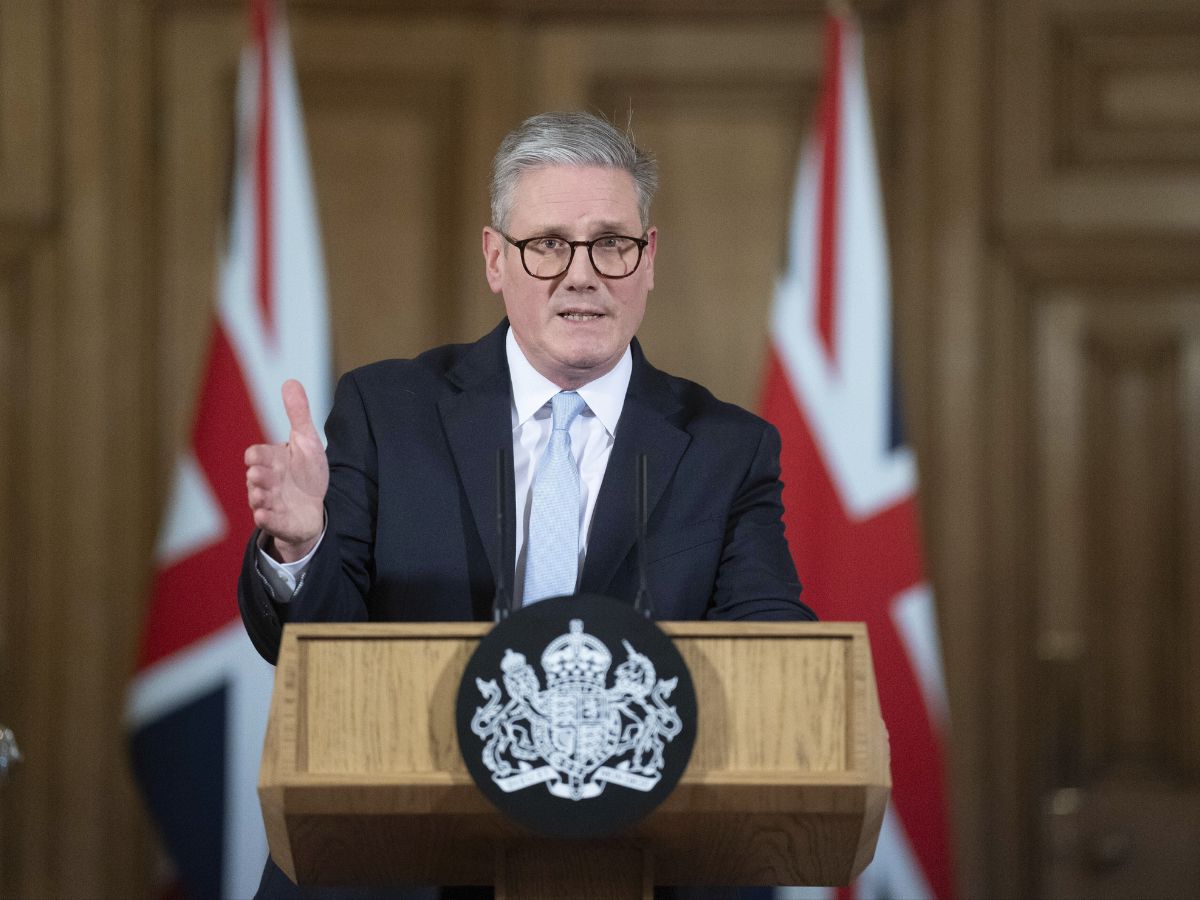
At the 2026 Munich Security Conference, UK PM Starmer urges stronger Europe–UK defence ties [Photo: X]
At the 2026 Munich Security Conference, UK PM Keir Starmer delivered a powerful address urging European nations to rebuild trust, strengthen defence cooperation, and step out of past inward-looking policies. Starmer told world leaders that “we are not the Britain of the Brexit years anymore,” signalling a clear break from inward nationalism toward a more engaged European and global security role.
The annual summit in Munich has become one of the most important platforms for discussing global security challenges, including the war in Ukraine, transatlantic relations, and collective defence responsibilities.
Starmer told an audience of leaders and diplomats that Britain must no longer rely solely on old approaches rooted in Brexit-era isolation. “Because we know that, in dangerous times, we would not take control by turning inward, we would surrender it,” he said. Starmer emphasised that British security cannot be separated from European security, and vice versa, reflecting a strategic shift in UK foreign policy since he took office.
He also reaffirmed the UK’s commitment to NATO’s Article 5, which holds that an attack on one member is an attack on all — reinforcing London’s promise to come to its allies’ aid if needed.
Starmer argued that Europe should reduce its reliance on the United States for security, instead sharing the burden more equitably among European nations. He highlighted the concept of a “more European NATO”, where European countries develop stronger defence capabilities and work more closely with the UK.
Despite the US remaining a key ally, Starmer said that Europe must stand on its own two feet, build shared defence industries, and streamline procurement to avoid duplication and fragmentation across the continent.
Starmer’s stance echoes earlier policy shifts aimed at repairing relations with the European Union and strengthening post-Brexit cooperation on security matters.
Starmer and other leaders at Munich underscored the ongoing threat from Russia’s full-scale invasion of Ukraine. Starmer said that Russia had shown a “significant appetite for aggression” and labelled its actions as part of a broader challenge to European stability.
He stressed the need for Europe to be “ready to fight” and not shy away from preparing for potential future escalations. Even as he voiced a strong defence posture, Starmer emphasised that Western nations seek lasting peace through strength and unity.
At the same conference, US Secretary of State Marco Rubio sought to reassure European partners that Washington remains committed to the transatlantic alliance — even as he urged reforms of global institutions and a renewed partnership approach. Rubio said the United States would “always be a child of Europe,” reflecting the deep historical and cultural ties between the US and European nations.
His address acknowledged past Western mistakes but emphasised the importance of cooperation between Washington and European capitals on security, trade, and geopolitical stability.
Starmer described Europe as a “sleeping giant” with defence potential far outweighing Russia’s capabilities, noting that European economies dwarf those of Moscow and have vast industrial and military capacity. However, he said Europe must better harness its strength by coordinating strategy and resources more effectively.
He pointed to the diversity of military equipment across European nations — from numerous types of tanks to varying air platforms — as evidence of fragmentation that could hinder a rapid, unified response.
Starmer’s remarks have sparked debate back home and across the continent. Some critics argue his focus on European autonomy could strain relations with the United States or dilute UK sovereignty, while supporters say his vision is necessary to face evolving threats from Russia and global instability.
He also used the platform to pointly criticise political opponents in the UK, suggesting that parties opposing strong defence and NATO alignment would weaken national and continental security.
Starmer’s speech at the Munich Security Conference signals a shift in how the UK sees its role in global affairs — one that embraces cooperation with Europe while maintaining transatlantic ties. Leaders are increasingly focused on developing shared defence capabilities, reforming alliances and responding to geopolitical threats comprehensively.
As the world watches developments in Ukraine and rising global tensions, the conference highlighted the urgency of unity and burden-sharing among Western powers.
