Israel has proposed transferring Iron Dome missile and Iron Beam laser technology to India, potentially transforming its air defence system
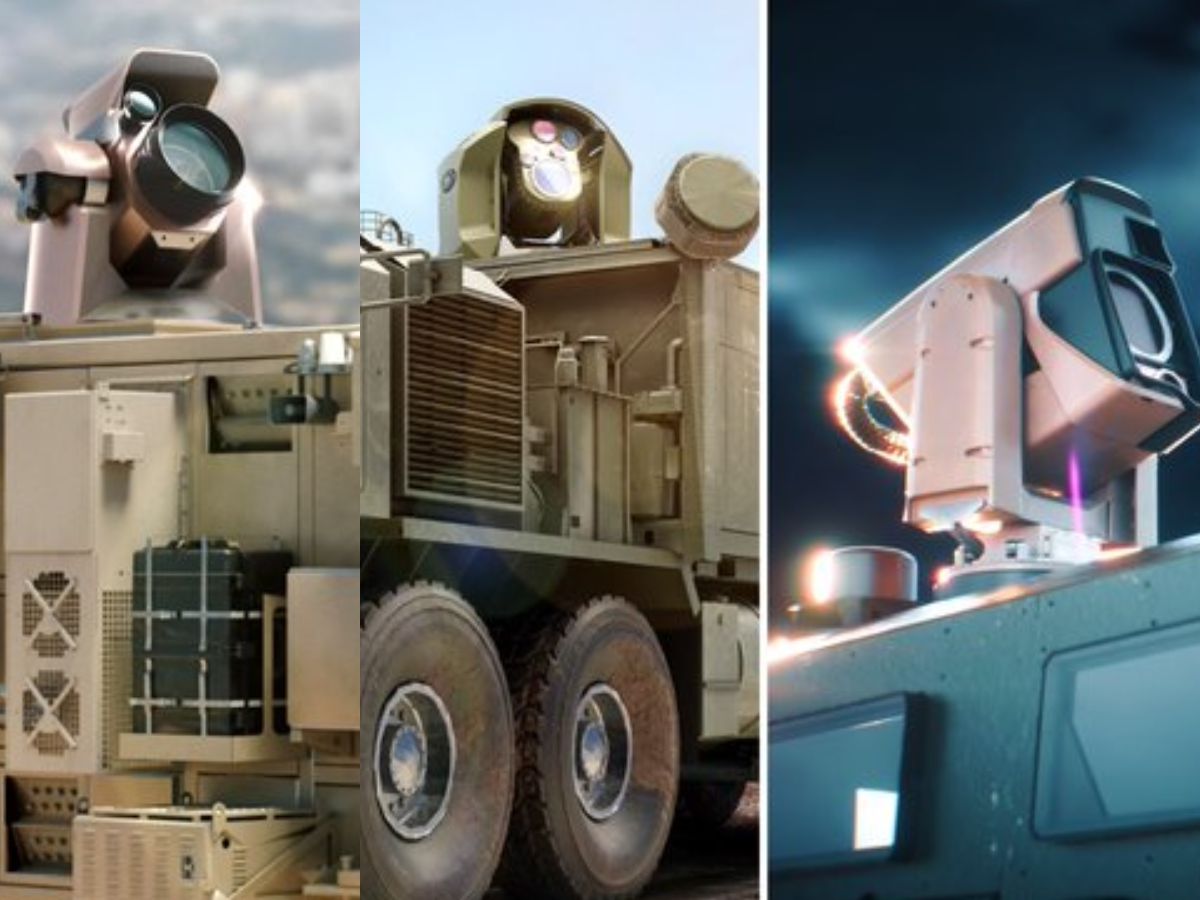
Iron Dome vs Iron Beam A Strategic Shift in Air Defence (Representative Image (Source: X/@KiranKS)
Israel has offered India a full transfer of technology for some of its most advanced and closely guarded air defence systems, including the Iron Dome missile shield and the next-generation Iron Beam laser weapon. The proposal has emerged during Prime Minister Narendra Modi’s landmark visit to Israel, marking a new phase in defence cooperation between the two nations.
While discussions are progressing at a strategic level, officials have indicated that talks are still ongoing. No final agreement has yet been formally signed for a complete transfer of the systems. However, both sides are moving toward deeper collaboration in joint development, co-production and advanced military technology sharing.
The proposed deal includes technology behind Iron Dome, Israel’s battle-tested short-range missile defence system, and Iron Beam, a cutting-edge high-energy laser system designed to intercept drones, rockets and other aerial threats.
If finalised, this would mark one of the most significant defence technology transfers in India-Israel relations. Instead of simply purchasing ready-made systems, India is expected to gain access to core technology, enabling domestic production and integration into its own defence architecture.
One of the biggest advantages of the Israeli systems is their ability to address the problem known as the "economics of attrition." In modern warfare, expensive interceptor missiles are often used to destroy low-cost drones, creating a financial imbalance. Here is why this matters for India
Major Cost Difference: An Iron Dome interceptor can cost up to $100,000 per launch. In contrast, a single firing of the Iron Beam laser costs about $2.
Unlimited Engagement Capability: Traditional missile systems can run out of ammunition. A laser system continues to operate as long as it has electricity, making it highly effective against “drone swarms.”
Lower War Expenditure: By using laser-based interception for low-cost threats, India can reduce the financial burden of prolonged conflicts and preserve high-value missiles for serious threats.
India’s Defence Research and Development Organisation (DRDO) has already tested indigenous Directed Energy Weapons (DEW), placing the country among a small group of nations developing such capabilities.
The Israeli collaboration is expected to “supercharge” India’s flagship DURGA-II (Directionally Unrestricted Ray-Gun Array) project. As a high-energy laser weapon, DURGA-II functions as a “light-based shield.” It can disable incoming threats by damaging electronic sensors or melting the airframe at the speed of light, without relying on conventional ammunition.
Access to Israeli expertise could significantly speed up India’s progress in intercepting fast-moving ballistic and cruise missiles.
The real strategic value of this partnership lies in its potential integration with India’s multi-layered air defence network, often referred to as Sudarshan Chakra.
By combining missile-based interception with laser technology, India could create what experts describe as a "near-impenetrable" shield. In such a layered system:
Expensive interceptor missiles would target heavy rockets and advanced threats.
Laser systems would neutralise low-cost “swarm drones.”
This approach reflects lessons learned from recent conflicts in the Middle East and Ukraine, where drone warfare has become a dominant tactic.
A full technology transfer would allow these advanced systems to be manufactured within India. This aligns closely with the government’s “Make in India” and “Atmanirbhar Bharat” initiatives.
Domestic production would reduce dependence on foreign suppliers during emergencies or wartime. It would also create a secure supply chain that is not vulnerable to diplomatic pressure or sanctions.
Such a move would strengthen India’s long-term defence self-reliance and industrial capacity.
According to the latest developments, India and Israel are moving toward expanding their defence partnership through structured agreements focused on joint research, development and production.
However, officials have clarified that while discussions are advanced, the complete transfer of Iron Dome and Iron Beam technology has not yet been finalised. Negotiations are ongoing, and both countries are working on frameworks that prioritise technology sharing and co-development rather than direct off-the-shelf procurement.
The visit of Prime Minister Narendra Modi is being seen as a key moment that could accelerate these talks and potentially lead to formal agreements in the near future.
If successfully implemented, the integration of Iron Dome and Iron Beam technology into India’s defence ecosystem could give the country one of the most advanced and cost-effective air defence systems in the world.
It would enhance India’s ability to counter emerging threats such as hypersonic glide vehicles, coordinated saturation strikes and drone swarms. More importantly, it would ensure that India’s airspace remains protected against rapidly evolving 21st-century security challenges for decades to come.
As negotiations continue, the world will be watching how this high-stakes defence partnership reshapes India’s strategic capabilities.
