
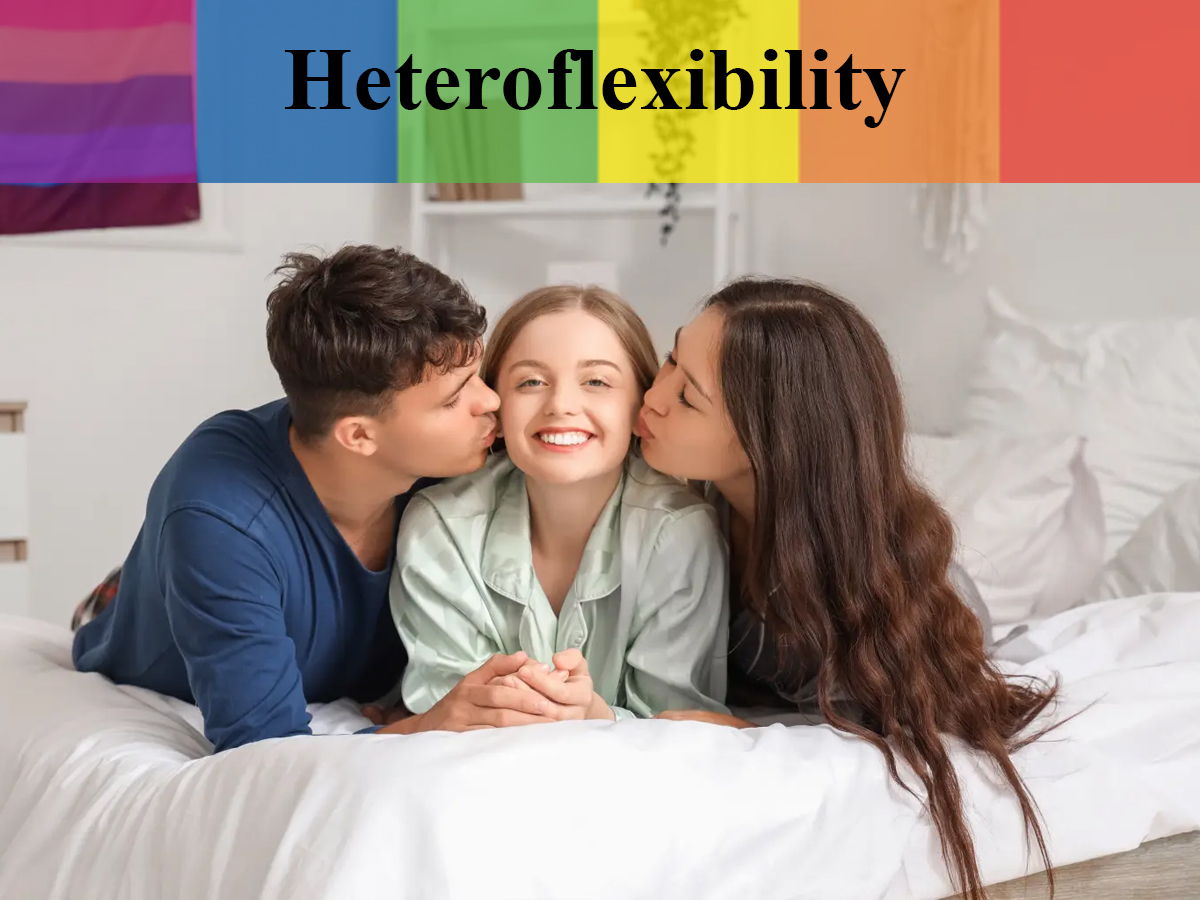
Modern relationships no longer fit neatly into fixed boxes. Curiosity, openness, and flexibility now define how many people experience attraction. One term that captures this shift is heteroflexibility, an identity increasingly discussed across dating apps, social circles, and pop culture.
Heteroflexibility describes people who identify primarily as heterosexual but remain open to romantic or sexual experiences with someone of the same sex. It allows room for curiosity without requiring a complete shift in sexual identity. For many, the term feels more honest than rigid labels that don’t fully reflect their lived experiences.
What is Heteroflexible Identity? Understand in Simple Terms
In simple language, a heteroflexible person sees themselves as straight but open to exploring romantic and sexual attraction or experiences from the same sex. This does not mean they are bisexual or pansexual, nor does it demand long-term commitment to multiple genders.
The identity exists on a spectrum. It may include people who have felt occasional same-sex attraction, those who have experimented once or twice, or individuals who are emotionally open even if their relationships remain largely heterosexual.
Why More People Are Identifying as Heteroflexible
Experts say the rise of heteroflexibility reflects changing attitudes toward sexuality. Younger generations especially view attraction as fluid rather than fixed. Social acceptance has grown, making people more comfortable acknowledging curiosity without fear of judgment.
One key reason for its popularity of heteroflexible is flexibility, as the term does not force people into lifelong declarations. It allows them to explore, evolve, and define themselves on their own terms.
Who Identifies as Heteroflexible the Most?
Millennials lead the trend, followed closely by Gen Z. Many people in these age groups reject strict labels and prefer identities that reflect emotional honesty rather than social expectations.
Cities known for progressive dating cultures show higher numbers of people identifying as heteroflexible. These environments encourage exploration and reduce pressure to conform to traditional definitions of sexuality.
Is Heteroflexibility Different From Bisexuality?
Yes, and this distinction fuels debate.
Bisexual and pansexual communities often emphasise consistent attraction to more than one gender. Some critics argue that heteroflexibility risks blurring these identities or minimising long-standing struggles for recognition.
However, supporters say heteroflexibility does not erase other identities. Instead, it acknowledges that attraction does not always follow predictable patterns. It offers language for people who don’t feel fully represented by existing categories.
Dr. Luke Brunning summed it up clearly, “If anything, it would be surprising if people were never sexually curious about people of their own sex or gender, or if attraction worked in neat and predictable ways.”
What Heteroflexibility Says About the Future of Relationships?
Heteroflexibility signals a broader cultural shift. Rather than focusing on labels, people now prioritise authenticity, emotional connection, and personal growth.
For many, the term provides relief, a way to describe attraction without pressure, shame, or rigid expectations. It reflects a future where sexuality is seen as dynamic, personal, and evolving.
As society moves away from binaries, heteroflexibility may become less controversial and more understood, not as a trend, but as a reflection of how humans naturally experience attraction.




