Kharg Island, Iran’s main oil export hub handling 90% of crude shipments, is emerging as a key strategic target as the US weighs new options in the Iran war.
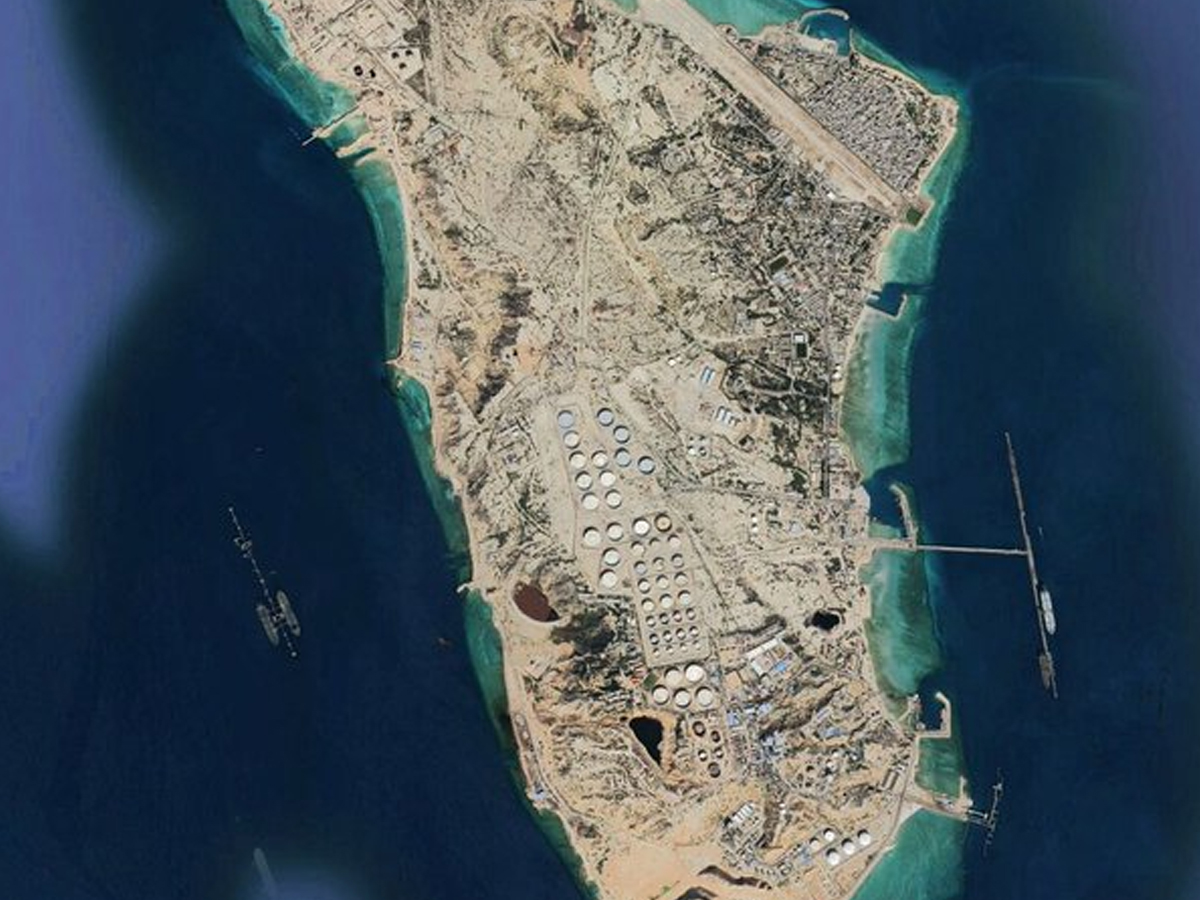
Kharg Island is a small Iranian island located in the Persian Gulf, roughly 25 to 30 kilometres off Iran’s southern coast. (Photo: X/washington_EY))
As the conflict between the United States, Israel, and Iran intensifies, global attention is shifting toward a small island in the Persian Gulf that plays a massive role in Iran’s economy. Kharg Island, Iran’s main oil export terminal, has suddenly become central to strategic discussions in Washington about how to increase pressure on Tehran during the ongoing war.
Despite weeks of airstrikes on Iranian military bases and nuclear facilities, the island has remained untouched so far. However, recent reports suggest the Donald Trump administration is examining possible military options around the island, including special-forces missions and broader operations tied to the next phase of the conflict.
Because Kharg Island handles the majority of Iran’s crude exports, any action around it could significantly impact both Iran’s economy and global energy markets.
Kharg Island is a small Iranian island located in the Persian Gulf, roughly 25 to 30 kilometres off Iran’s southern coast. Although the island covers a relatively small geographical area, it serves as the backbone of Iran’s oil export system.
The island houses Iran’s largest oil export terminal and handles around 90 per cent of the country’s crude oil exports. Large tanker terminals located on the island load millions of barrels of oil every day and send them to international markets.
Kharg Island’s infrastructure allows it to process and ship up to about seven million barrels of oil per day, making it one of the most important energy hubs in the Middle East.
Since the 1960s, when international investment helped expand the oil facilities on the island, Kharg has functioned as the main connection between Iran’s oil fields and global energy buyers.
Despite its enormous economic importance, Kharg Island is home to a relatively small population.
The island has around 20,000 residents, most of whom are connected to the oil industry and related services. Workers at the oil terminals, port operations, and support industries make up a large part of the local community.
The island also includes residential areas, schools, and basic infrastructure built to support the workforce managing Iran’s largest oil export facility.
Because of its economic role, the island remains heavily protected and monitored by Iranian authorities.
The ongoing conflict has already seen strikes on Iranian missile bases, nuclear facilities, and military infrastructure across the country. However, energy infrastructure like Kharg Island has largely been spared so far.
Analysts believe this restraint reflects the island’s importance not only to Iran but also to global oil markets. Disrupting operations at Kharg could severely reduce Iran’s ability to export crude oil.
At the same time, any attack on the island could cause major consequences for the global economy. Oil prices could spike dramatically if tanker shipments from the facility stop or slow down.
The island’s location near the Strait of Hormuz, one of the world’s most critical oil shipping routes, adds another layer of strategic importance. A conflict around Kharg could disrupt tanker traffic in the Gulf and trigger broader instability in global energy supply.
According to recent reports, US officials are exploring options that could weaken Iran’s economic ability to sustain the war.
One proposal involves operations targeting key strategic sites inside Iran during later stages of the conflict. These discussions reportedly include the possibility of neutralising or seizing locations that generate major revenue for the Iranian government.
Kharg Island has become part of those discussions because the facility generates most of Iran’s oil export income.
Some analysts argue that disabling the island’s export infrastructure could dramatically reduce Iran’s oil revenues and weaken the government’s financial capacity to continue the war.
A US official reportedly suggested that such a move could help put Iran’s vast oil resources “out of the hands" of the regime and increase economic pressure during the conflict.
Despite its strategic importance, military planners have so far avoided direct attacks on Kharg Island.
Energy experts say the decision appears deliberate. Destroying the island’s oil infrastructure could destabilise global energy markets and send oil prices soaring.
Such an attack could also complicate reconstruction efforts if the political situation inside Iran changes after the conflict.
Because of these risks, current military operations have focused mainly on degrading Iran’s nuclear programme and military capabilities rather than targeting energy export infrastructure.
Kharg Island now represents a major strategic dilemma for policymakers in Washington.
If the island’s export facilities are disabled or seized, Iran’s oil revenues could fall sharply, reducing the government’s ability to finance military operations. This could significantly change the economic balance of the conflict.
However, such a move could also trigger wider escalation in the Persian Gulf and disrupt global energy markets.
For now, Kharg Island remains a strategic pressure point rather than an active battlefield. But as the war continues and military options expand, the future of this small island could play a crucial role in determining how the conflict unfolds.
