Iran activated a 'kill switch' to jam Starlink satellite internet amid nationwide protests, using military grade jamming tech to cut off communications.
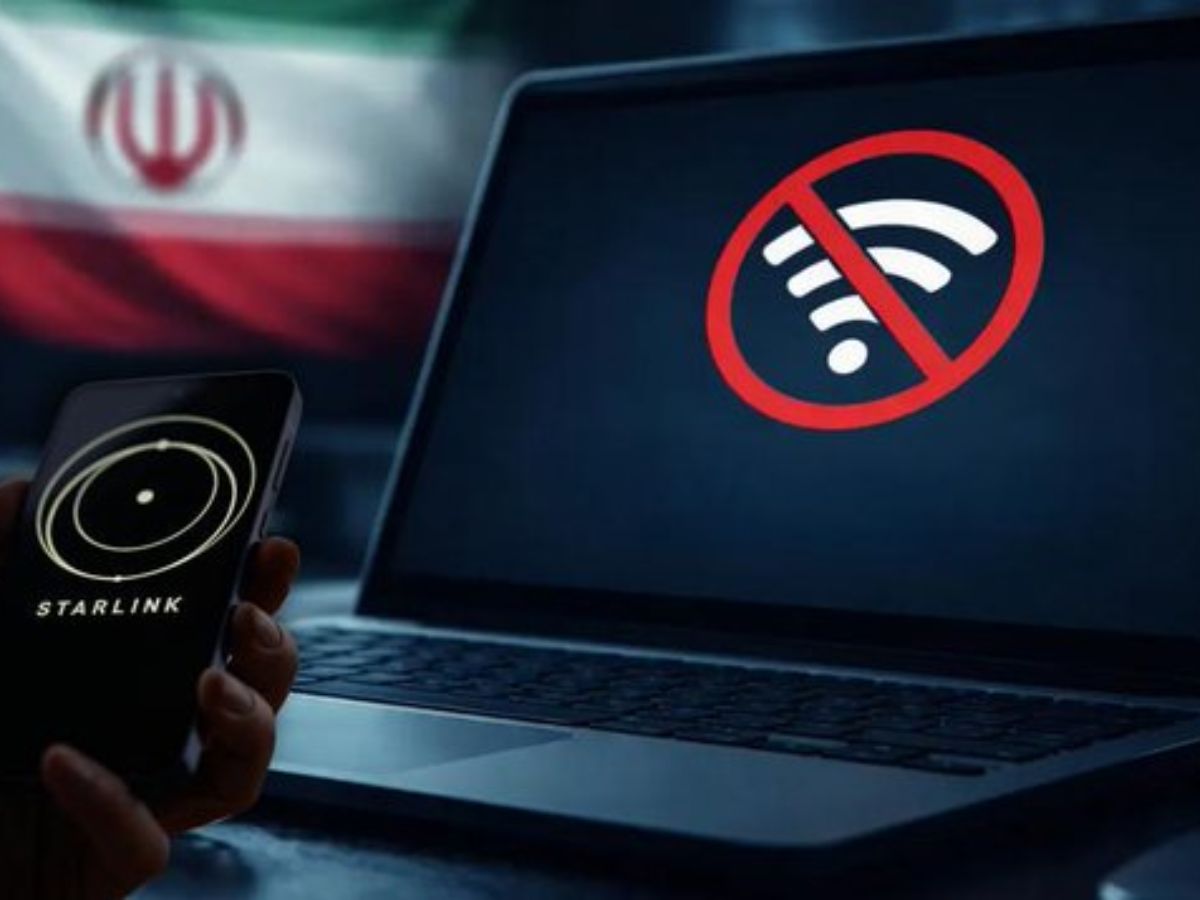
Iran activated a 'kill switch' to jam Starlink satellite internet [Photo: X]
Iran's government has reportedly activated a military grade 'kill-switch' to disrupt Starlink satellite internet amid widespread anti-government protests. The tactic comes as authorities imposed one of the most extreme internet blackouts in recent history, cutting off citizens from both local networks and global connectivity.
This unprecedented use of satellite jamming highlights how modern communication tools have become battlegrounds in political crises.
The term “kill switch” usually refers to an emergency mechanism that instantly stops or shuts down operations, often used in machinery or software to prevent harm. In the context of Iran’s protests, the “kill switch” describes a digital tool the government is using to cut off internet access, especially satellite-based services like Starlink that bypass traditional telecom networks.
While a kill switch on machines stops equipment quickly, Iran’s digital kill switch functions by jamming signals and disrupting communication channels from space to ground. Experts say the tactic is more like aggressive jamming than a simple on-off switch, effectively drowning out satellite signals used by Starlink receivers.
Iran’s approach goes beyond a simple blackout. Rather than just shutting down national internet networks, authorities are using military-grade jamming and GPS interference to block the signals Starlink terminals depend on. By targeting the weaker satellite frequency and GPS signals that help the system orient itself, the government can render Starlink devices ineffective without physically disabling satellites.
This technique has echoes of tactics used in conflict zones such as Ukraine, where powerful jamming equipment has been documented interfering with satellite and GPS systems on the ground.
Iran first cut off the internet nationwide on January 8, 2026, as protests escalated in cities across the country. The blackout dropped internet usage by about 97%, isolating much of the population from the global web.
Starlink emerged as a Plan B for activists and citizens trying to stay connected during the shutdown. However, Iran’s authorities appear to have taken additional steps to block this satellite connection too, fearing the spread of real-time protest footage and external reporting.
State television and officials have not openly confirmed the killing of Starlink, but analysts say the blackout and jamming make it clear the regime wants to prevent information flow inside and outside the country.
Starlink uses low-earth orbit satellites and requires a GPS signal for devices to locate and connect. Iran’s disruption of GPS and communications signals is a key factor in crippling these connections. The use of such sophisticated jammers, possibly military in origin, indicates a deliberate strategy to undermine global satellite coverage.
Experts say this form of interference is more common in battlefield communications than in civilian settings. This technology can overpower the relatively low-power satellite signals, effectively cutting off satellite internet.
Iran has a history of internet blackouts during major protests. It has implemented nationwide shutdowns during unrest in 2019, 2022 and in the recent wave of demonstrations, often blocking social media and mobile networks.
The “kill switch” strategy goes a step further by targeting satellite connections, showing how digital control measures have evolved alongside communication technology.
Starlink, operated by Elon Musk’s SpaceX, uses a constellation of low-Earth-orbit satellites to provide internet access independent of local infrastructure. This makes it especially valuable in countries where governments restrict or shut down traditional internet services. In past protests, including the 2022 demonstrations after Mahsa Amini’s death, many Iranians turned to Starlink to share uncensored information and livestream events.
Before the recent crackdown, estimates suggested 30% to 80% of Starlink traffic was disrupted as the jamming intensified, effectively cutting off the service for most users inside the country.
Iran has also criminalized the use of Starlink and other unauthorized satellite internet tools, with harsh penalties for users linked to “espionage” or cooperation with hostile states, making satellite connectivity a legal risk as well as a technical challenge for protesters.
