What does Level 4: Do Not Travel mean? The US issues its highest travel warning for Iran and Iraq after combat operations, urging Americans to stay away.
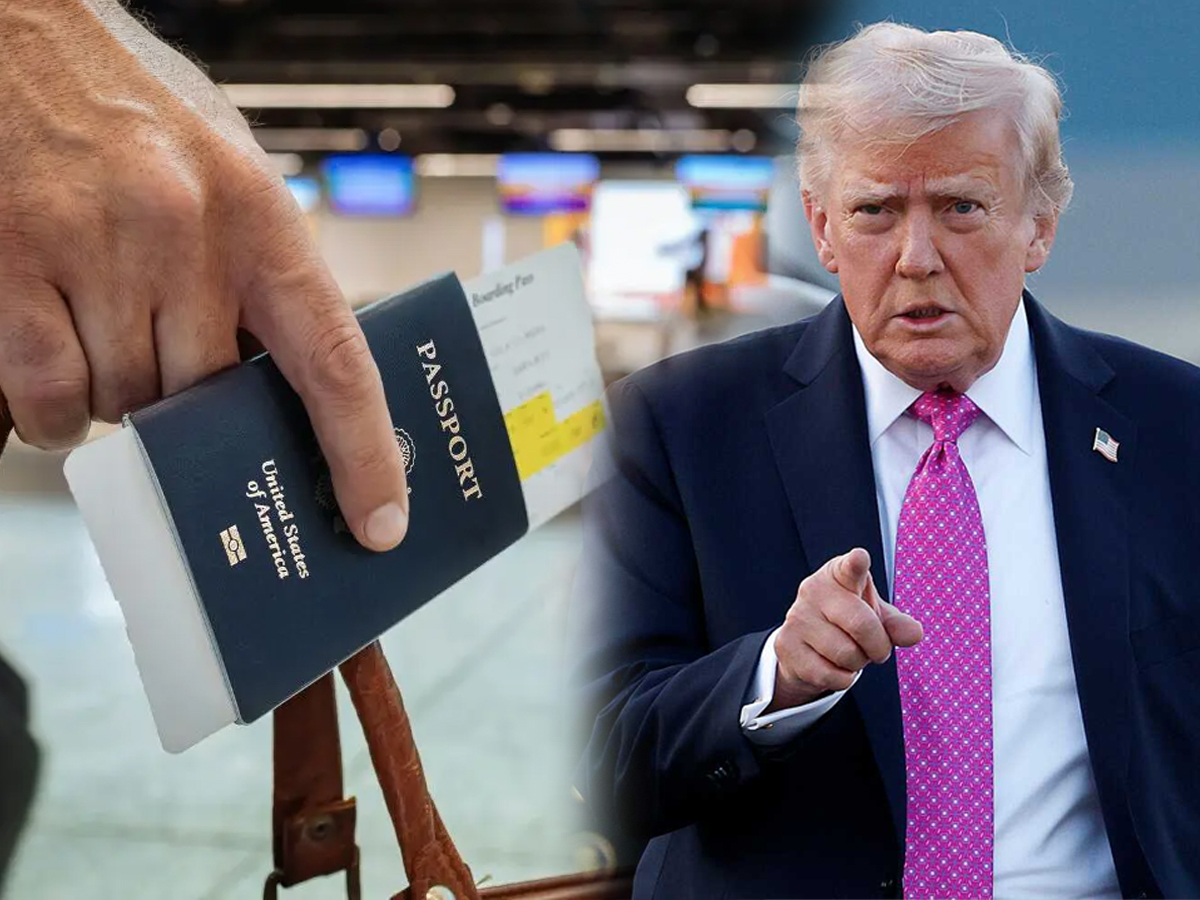
These risks can include armed conflict, terrorism, civil unrest, or the absence of US diplomatic support. (Photo: Social Media)
As tensions escalate in the Middle East following recent US combat operations in Iran, the United States has issued its strongest possible travel warning for parts of the region. The advisory has raised urgent questions among travellers, expatriates, and families: What exactly does “Level 4: Do Not Travel” mean, and why has the US issued it now?
“Level 4: Do Not Travel” is the most severe travel advisory issued by the US Department of State. When the State Department assigns a country this level, it instructs Americans not to travel there for any reason due to extreme safety risks.
These risks can include armed conflict, terrorism, civil unrest, or the absence of US diplomatic support. In some cases, the advisory also urges Americans already in the country to consider leaving if safe commercial options exist.
The United States has placed both Iran and Iraq under Level 4 as tensions spike following US military action in Iran.
According to updated guidance:
The advisory reflects not only security threats but also the US government’s limited ability to assist its citizens on the ground.
In a “Worldwide Caution” dated February 28, the State Department said, “Following the launch of US combat operations in Iran, Americans worldwide and especially in the Middle East should follow the guidance in the latest security alerts issued by the nearest US embassy or consulate.”
The department added, “The Department of State advises Americans worldwide to exercise increased caution.”
Officials warned that a situation could trigger sudden travel disruptions, including airspace closures, making it harder for citizens to leave affected countries quickly.
In updated guidance shared on March 1, Mora Namdar, Assistant Secretary for Consular Affairs, said on X that the administration has “no higher priority than the safety and security of Americans everywhere.”
She also shared a regional travel-risk summary showing multiple Middle Eastern countries under heightened alert, including Lebanon, which is listed under Level 4 with the instruction: “Depart now via commercial options.”
A Level 4 advisory does not automatically trigger evacuations. However, it signals what the State Department considers the most serious level of danger. In certain situations, it may encourage Americans already in the country to leave if safe travel options remain available.
The State Department has also warned that it lacks a diplomatic presence in Iran, which severely limits its ability to provide emergency assistance to US citizens there.
US embassies and consulates across parts of the Middle East have advised citizens to shelter in place and closely monitor official updates. Americans have been urged to enroll in the Smart Traveler Enrollment Program (STEP) to receive alerts directly and follow official security update channels.
Officials stressed that travelers should rely only on official government guidance as the regional situation continues to evolve.
By issuing Level 4 warnings for Iran and Iraq, the United States has made clear that it views the current security environment as highly dangerous. For Americans worldwide, the message is direct: avoid travel to these countries and remain alert as instability continues to reshape the region.
