The US and UK strongly criticised Russia's use of a nuclear-capable Oreshnik missile in Ukraine, calling it s dangerous escalation that threatens regional security.
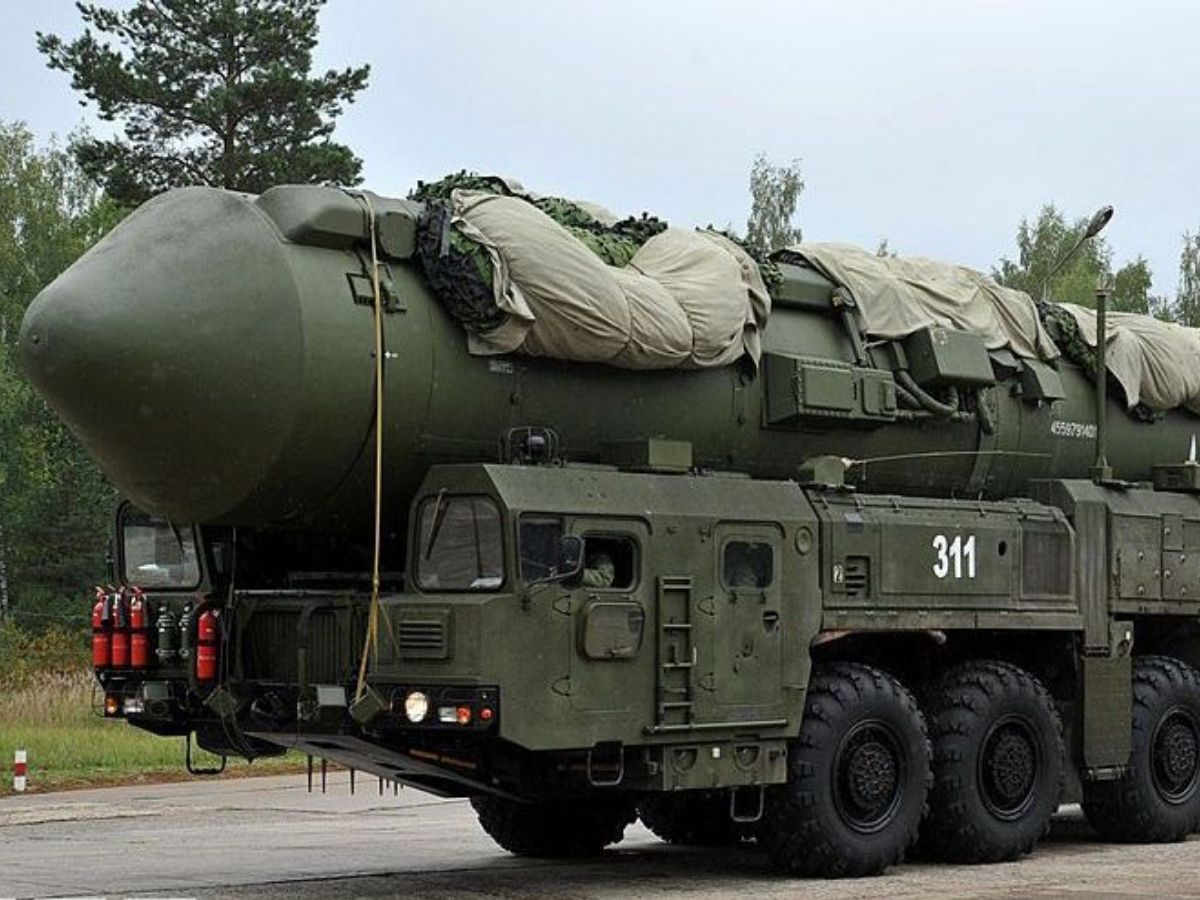
The US and UK strongly criticised Russia's use of a nuclear-capable Oreshnik missile in Ukraine [Photo: X]
The US and the UK sharply criticised Russia after Moscow fired a nuclear-capable Oreshnik missile at targets in Ukraine's west, calling the strike a dangerous and reckless escalation of the 4 year conflict. The condemnation came during an emergency UN Security Council session, where Western diplomats warned that the attack threatens both regional and international security.
The Oreshnik is a Russian intermediate-range ballistic missile (IRBM) designed to travel at hypersonic speeds, reportedly over Mach 10. It is capable of carrying multiple warheads, including nuclear payloads, though Russia used it with conventional warheads in the latest strike. The weapon has been used only a few times in the Ukraine war, making each launch a notable escalation in military tactics.
Russia claims the missile is hard to intercept due to its speed and trajectory, but Western analysts say its actual destructive impact with conventional warheads may be limited compared with its intimidation value.
At the emergency session of the United Nations Security Council, US Deputy Ambassador Tammy Bruce criticised Russia’s decision to fire the missile, even without a nuclear warhead. Bruce said the launch “constitutes another dangerous and inexplicable escalation of this war,” and stressed it comes at a time when the United States was working with Kyiv and other partners to seek a negotiated end to the conflict.
Bruce also condemned Russia’s ongoing strikes on civilian infrastructure and energy facilities in Ukraine, which have deepened humanitarian strains and hindered essential services.
Representing Britain at the same UN session, Acting UK Ambassador James Kariuki described Russia’s use of the Oreshnik missile as “reckless”, warning that it risked “escalation and miscalculation” that could destabilise the region further.
The UK statement also called for universal condemnation of the missile’s use and reaffirmed support for Ukraine’s right to defend itself. The British envoy stressed that the strike occurred despite Russia’s own public claims to support peace talks, highlighting a disconnect between rhetoric and military action.
Russia confirmed it launched the Oreshnik missile on January 9, 2026, targeting the Lviv region near the Polish border. Moscow claimed the strike hit an aviation repair plant servicing military aircraft, though Ukraine denied involvement in any attack that prompted retaliation and said it was working to verify impact details.
This was only the second recorded use of the Oreshnik missile in the conflict, with the first deployment having occurred in 2024. Moscow framed the strike as retaliation for an alleged Ukrainian attempt to target a Russian presidential residence — a claim both Kyiv and Western officials have rejected as unsubstantiated.
The missile launch was part of a larger Russian assault involving hundreds of drones and missiles across Ukraine, including attacks on Kyiv that killed civilians and knocked out heating in residential buildings amid sub-zero temperatures.
The broader offensive has strained Ukraine’s emergency services and worsened living conditions during winter. Ukraine’s Security Service (SBU) later displayed recovered fragments of the Oreshnik missile, offering physical evidence of the weapon used in the strike.
Western leaders have warned that using a missile with nuclear capability signals a worrying precedent in the conflict. Although the latest launch did not carry a nuclear warhead, the capability itself raises fears about future escalation and miscalculations that could draw in NATO nations, particularly given the proximity of the strike to the Polish border.
Both the US and UK have reiterated their calls for renewed peace negotiations and increased pressure on Russia to de-escalate. Analysts say Washington and its allies will continue diplomatic efforts to prevent further escalation while providing defensive support to Ukraine.
