Epstein’s emails reveal he grew ‘trumpet plants’ linked to scopolamine, a drug affecting memory and free will, sparking new concerns from the files.
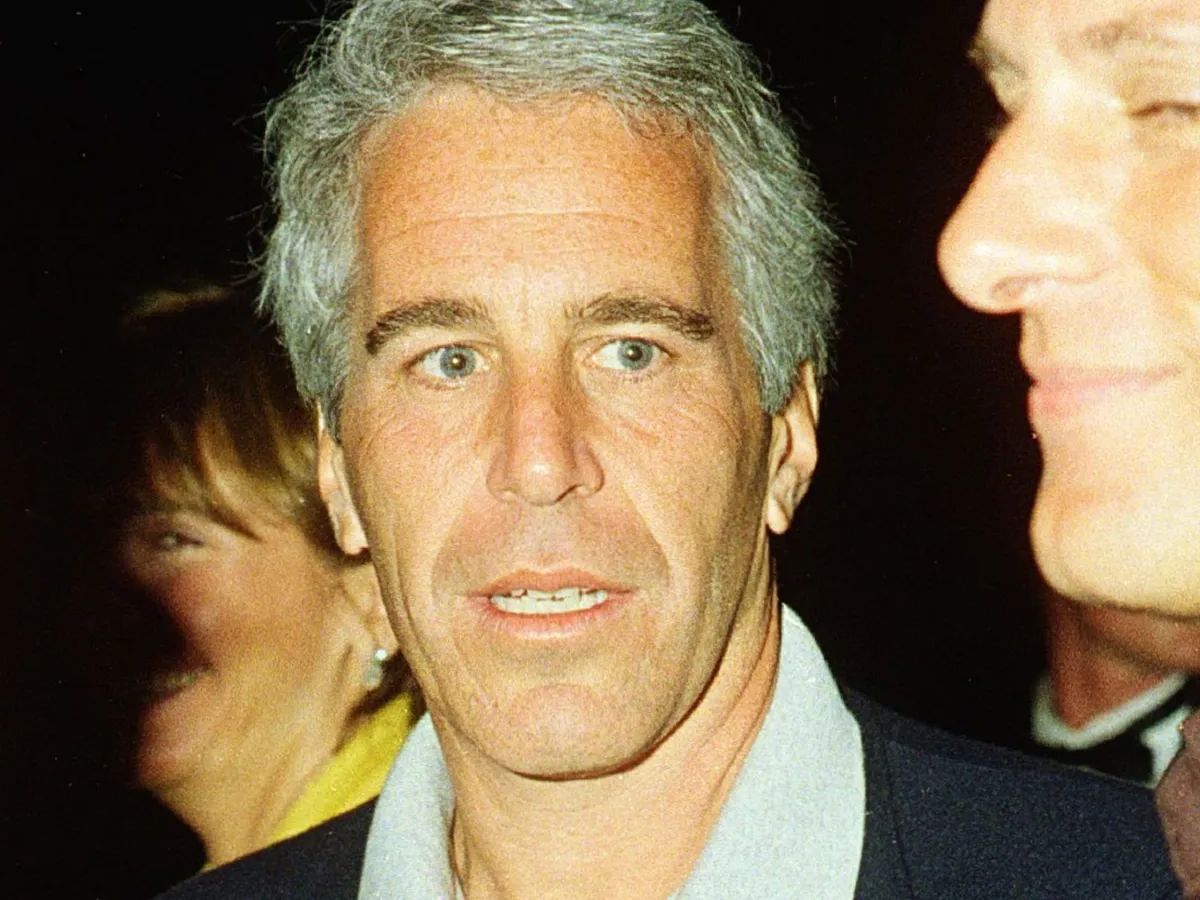
Epstein’s emails reveal he grew ‘trumpet plants’ linked to scopolamine [Photo: X]
Newly released emails from the Epstein Files reveal disturbing details about Jeffrey Epstein’s interest in toxic plants. Among the most striking mentions are “trumpet plants,” known for producing the psychoactive chemical scopolamine. Scopolamine can impair memory, induce confusion, and even remove a person’s ability to make independent choices.
Experts call it “Zombie Breath” due to its extreme effects. Epstein’s emails suggest he was aware of these properties and actively asked about the plants in his nursery. While the files do not confirm direct use, the mentions raise fresh questions about the potential role of these plants in his criminal activities.
The story connects modern crime investigations with plants that also have spiritual significance in Hindu mythology.
Jeffrey Epstein grew "Trumpet Plants" which are also referred to as "Devil's Breath" because it contains scopolamine. Scopolamine is a drug that has historically been used by CIA and drug cartels. Under its influence a person does whatever one is told without EVER remembering.🔥 pic.twitter.com/AwQHuwGAyQ
— Kirby Sommers (@LandlordLinks) February 15, 2026
The so-called “Zombie Flower” refers to trumpet plants mentioned in Epstein’s emails. One forwarded message from 2015 was titled, “Scopolamine: Powerful drug growing in the forests of Colombia that ELIMINATES free will.” It described how the drug could leave people “highly suggestible.”
Epstein also wrote directly in 2014, "ask Chris about my trumpet plants at nursery [SIC]?" These emails suggest he not only knew about the plants but was curious about their properties. Another email in 2022 recounts a victim impact statement claiming exposure to scopolamine.
Together, these documents tie Epstein to plants with strong mind-altering capabilities, showing an unusual and troubling interest.
In Hindu mythology, the trumpet-shaped Datura flower holds sacred symbolism. It is associated with Lord Shiva, who is said to have consumed poison during the churning of the cosmic ocean to save the universe. Datura, the plant containing this poison, became a symbol of endurance, asceticism, and spiritual protection.
Temples across India, especially during Maha Shivratri, often receive offerings of Datura flowers and fruits. Despite its toxic nature, the flower is revered as a plant that transforms danger into a protective spiritual force. This traditional context contrasts sharply with its association in Epstein’s files.
Epstein’s emails contain three clear mentions of trumpet plants. Beyond the March 2014 note, a forwarded Daily Mail and Vice article explained scopolamine’s effects: “You can guide them wherever you want. It's like they're a child.” Another email in 2022 relayed a victim’s statement about alleged drugging with scopolamine in 2014.
These documents confirm that Epstein had access to and knowledge of these plants, emphasizing the toxic potential they held. The repeated mentions show consistent interest, not a passing curiosity, highlighting why investigators and the public are alarmed.
Trumpet plants, including Brugmansia and Datura species, are known for their large, pendulous, trumpet-shaped flowers. All parts of these plants contain tropane alkaloids like scopolamine, atropine, and hyoscyamine, which impact the central nervous system.
In medical contexts, they can treat motion sickness, but in high doses, they can cause hallucinations, memory loss, confusion, and even coma. While visually striking and sometimes grown ornamentally, the plants are highly toxic. Their combination of beauty and danger makes them particularly notable when connected to Epstein’s emails.
Scopolamine, also called “Zombie Breath,” can leave victims highly suggestible and compliant. Epstein’s emails forwarded articles describing its use in Colombia, where it reportedly allows someone to “guide” another person at will. While scopolamine has legitimate medical uses, in high doses it is extremely potent and dangerous.
Experts warn that its effects can include severe memory impairment, hallucinations, and loss of decision-making ability. Its presence in Epstein’s emails adds a troubling dimension, suggesting he knew the drug’s capacity to control behaviour.
All parts of trumpet plants are toxic, and ingestion can cause serious poisoning. Children accidentally consuming leaves or flowers have experienced delirium, drowsiness, hallucinations, and memory loss. Smoking or preparing the plant in teas significantly increases the risk of neurological damage.
Even in small amounts, the chemical compounds in the plant act powerfully on the nervous system. This toxicity is why the plants are often nicknamed “Devil’s Trumpet, emphasizing the danger they pose when handled carelessly or used with harmful intent.
The repeated references to trumpet plants and scopolamine in Epstein’s emails are alarming. They connect a high-profile criminal to substances that can manipulate memory and control behaviour.
While the files do not confirm that he ever used the plants or drugged anyone directly, they show awareness and deliberate curiosity. This evidence adds another layer of concern to the investigation of Epstein’s network and raises questions about potential misuse of psychoactive plants.
Online discussions have quickly labelled the plant the “Zombie Flower.” Commenters speculate about its possible role in Epstein’s criminal acts, though nothing has been proven. Experts caution that scopolamine’s effects are unpredictable and medically dangerous.
The story has reignited public curiosity, connecting modern crime investigations to the eerie, mind-altering properties of these plants. It also highlights the surprising overlap of these plants with spiritual and cultural traditions, contrasting their sacred and toxic roles.
